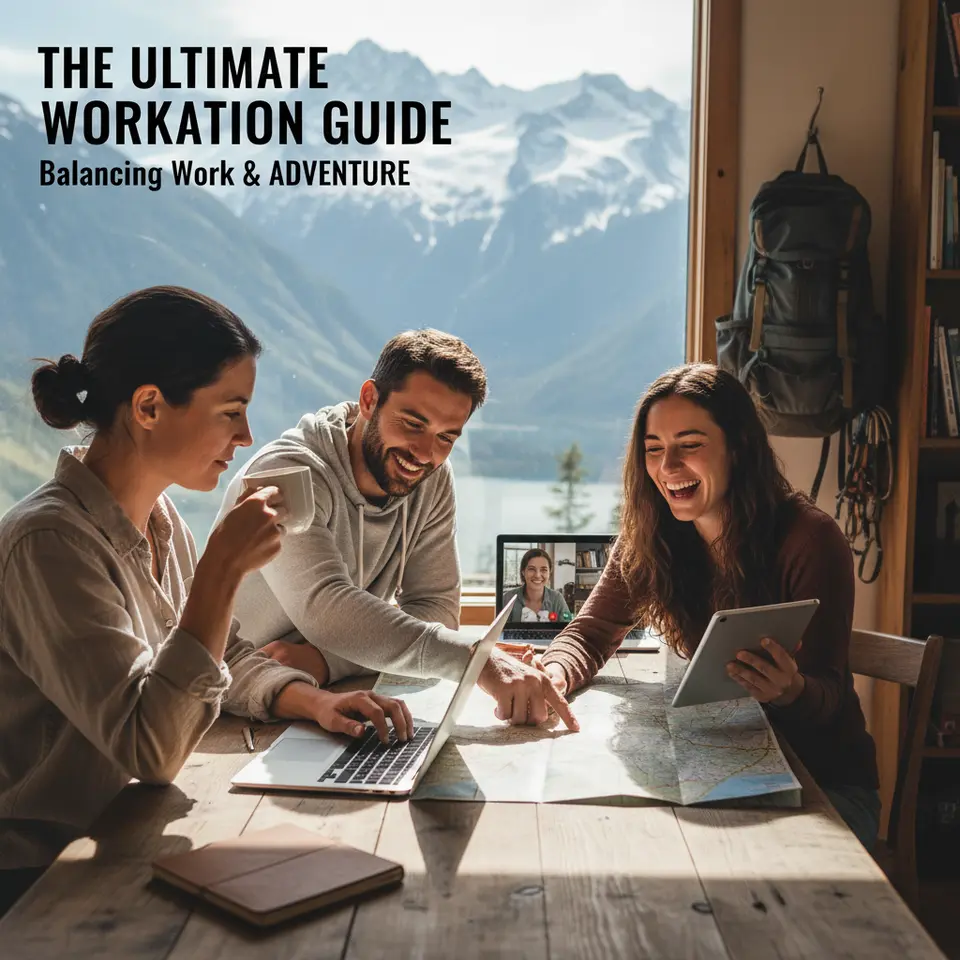
In today’s digital landscape, the concept of a workation has transformed the way professionals approach their careers and adventures. Instead of being tethered to a traditional office environment, many individuals are choosing to blend work responsibilities with travel experiences, finding inspiration from new surroundings. Currently, technology allows us to take our jobs to remote corners of the globe, whether that means tapping away on a laptop from a beachside bungalow or strategizing from a lively urban cafe. This year (2026), more people are recognizing the value of integrating productivity with exploration, leading to innovative strategies for planning the perfect workation.
This guide will walk you through every critical aspect of creating a balanced and successful workation. You will learn how to select an ideal destination that meets your professional requirements, design an ergonomic workspace on the go, establish routines that maintain productivity, utilize the right tools for uninterrupted connectivity, and immerse yourself in local culture without compromising your output. By the end of this article, you will have a comprehensive blueprint for orchestrating a seamless workation—maximizing efficiency, safeguarding well-being, and enriching your personal growth. Embrace the freedom to redefine your workspace and discover how to thrive in remote settings while enjoying the rewards of travel.
Choosing Your Ideal Workation Destination
Connectivity and Infrastructure
When planning a workation, the first priority is securing reliable internet access. Today’s remote work environment hinges on stable bandwidth, and fluctuations can derail crucial video calls or delay project deliveries. Before booking, research local providers and evaluate average speeds using resources like the Federal Communications Commission’s annual broadband reports (https://www.fcc.gov). Many destinations now offer coworking spaces with business-class connections, giving you a dependable fallback if accommodation Wi-Fi proves inconsistent.
Time Zone and Affordability
Matching your destination’s time zone with your primary client base or team is essential to avoid scheduling conflicts. If you work across multiple regions, choose a location that allows overlap during core hours. Budget considerations are equally important—this year (2026), living costs vary widely even within the same country. Factor in accommodation, transportation, and daily expenses. Platforms that aggregate long-term rental rates can help you project costs accurately. Currently, cities in Southeast Asia and Eastern Europe often combine affordability with robust digital infrastructure, making them popular among remote professionals.
Local Attractions and Safety
A successful workation is rooted in balance, so select a locale that offers enriching off-hours activities. Seek areas with cultural landmarks, outdoor adventures, and vibrant dining scenes. Safety should never be overlooked—check official government sources for travel advisories and local crime statistics. Opt for neighborhoods known for their security, convenient healthcare facilities, and accessible public transportation. By doing thorough due diligence, you ensure both productivity and peace of mind throughout your stay.
Designing a Productive Workspace on the Go
Ergonomic Essentials
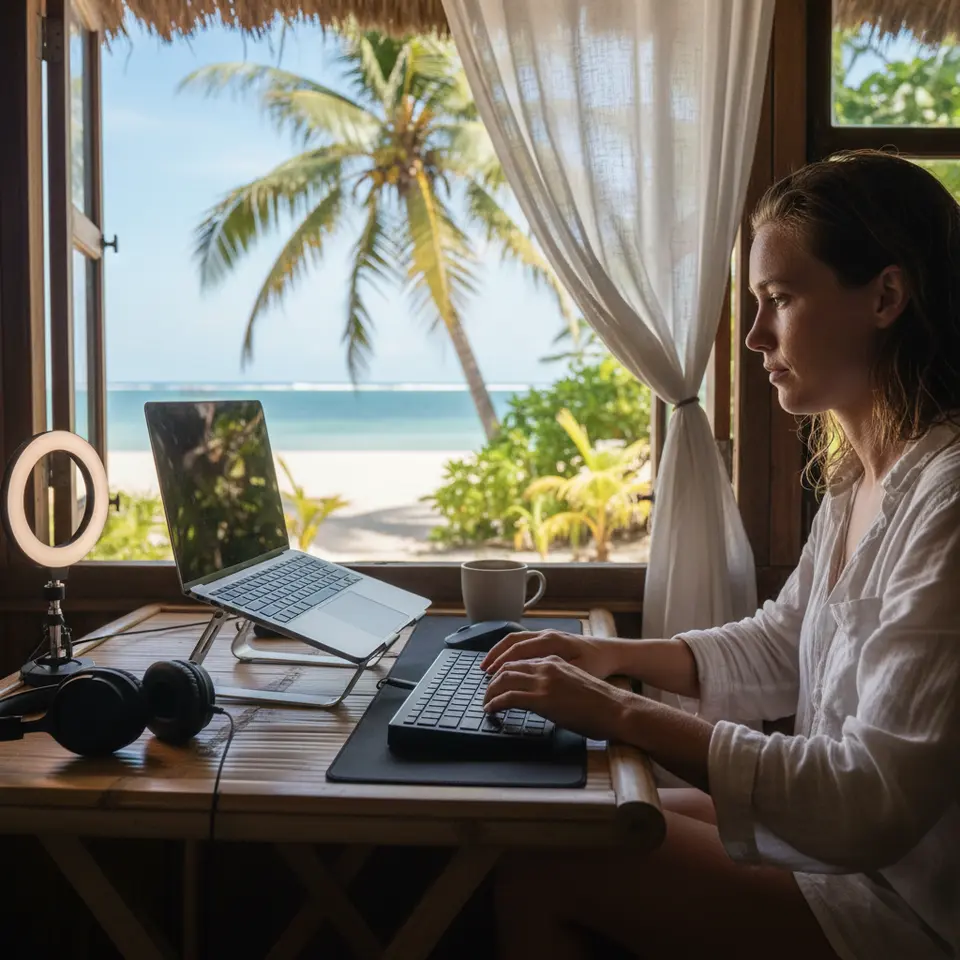
Your physical environment significantly impacts focus and comfort during long work sessions. Invest in lightweight gear that promotes healthy posture, such as a portable laptop stand, an external keyboard, and a compact mouse. Many remote workers carry foldable accessories specifically designed for travel, ensuring they can recreate an office-quality setup anywhere. By prioritizing ergonomics, you reduce the risk of fatigue and repetitive strain injuries, allowing you to maintain peak performance throughout your workation.
Noise Management and Ambiance
Noisy cafes and unpredictable environments can break concentration. To combat distractions, pack noise-canceling headphones or earplugs. Alternatively, explore local coworking hubs that offer private booths or dedicated quiet areas. In-room adjustments, like positioning your desk away from street-facing windows, can also reduce ambient disturbances. Create a consistent ambiance by carrying a small desk lamp or lightweight ring light, ensuring adequate illumination even when natural light is limited.
Power Solutions and Lighting
Power interruptions are an unwelcome risk on any remote assignment. Always carry a universal adapter and a high-capacity power bank to bridge gaps between outlet compatibility and availability. Surge protectors with multiple ports can safeguard your devices from voltage spikes. When setting up your workspace, aim to maximize natural light by situating your equipment near windows. Research shows that exposure to daylight boosts mood and productivity, a key advantage of working from inspiring destinations.
Crafting a Balanced Workation Schedule
Time Blocking for Focused Output
Establishing a structured timetable is crucial for harmonizing work tasks with leisure activities. Begin by mapping out core work hours and assigning blocks for deep focus, client calls, and administrative duties. This year (2026), digital calendars with integrated time-blocking features make it easier to visualize your day. By strictly adhering to these segments, you build accountability and protect your schedule from creeping interruptions.
Embracing Micro-Breaks
Short breaks are proven to rejuvenate the mind and prevent burnout. Incorporate micro-breaks of five to ten minutes every hour, using that time for quick stretches, brief walks, or a tea break at a local cafe. These mini-reset moments sharpen concentration and offer opportunities to soak in your surroundings, blending workation productivity with travel enjoyment.
Adapting to Local Rhythms
Working in a new environment can challenge your usual routine. Observe local customs regarding meal times, siestas, or public holidays, then tweak your schedule accordingly. For instance, if your destination observes a midday siesta, consider shifting your focus hours earlier or later. Flexibility ensures you remain respectful of cultural norms while maintaining consistent performance.
Designating Flex Days
Allocate specific days or half-days purely for exploration. Whether it’s trekking through nearby hills or joining a cooking workshop, planning ahead prevents work obligations from seeping into your downtime. Treat these flex days as non-negotiable appointments with yourself, allowing for genuine separation between professional tasks and personal discovery.
Equipping Yourself with Essential Connectivity Tools

Securing Your Connection with VPN Services
Public Wi-Fi networks can expose sensitive information to cyber threats. Protect your data by using a reputable Virtual Private Network (VPN), which encrypts your internet traffic and masks your IP address. Institutions like the National Institute of Standards and Technology offer guidelines on best practices for secure remote work (https://www.nist.gov). A reliable VPN is non-negotiable when handling confidential client files or financial transactions during your workation.
Cloud Storage for Seamless Collaboration
Cloud platforms such as Google Drive, Dropbox, or Microsoft OneDrive ensure your documents remain accessible and backed up in real time. In today’s collaborative workspace, these services enable multiple stakeholders to review, edit, and comment on files simultaneously. Implementing a clear folder structure and version control process prevents confusion and maintains an organized digital portfolio, even when you’re thousands of miles away.
Real-Time Messaging and Video Conferencing
Efficient communication tools keep teams aligned and projects on track. Messaging apps like Slack, Microsoft Teams, or WhatsApp facilitate instant queries, while video conferencing platforms such as Zoom, Skype, or Google Meet enable face-to-face collaboration. This year (2026), experiment with scheduling features that automatically adjust for time zone differences, preventing meeting mishaps and ensuring you never miss critical discussions.
Backup Connectivity Options
Always have a contingency plan in case your primary connection fails. Portable Wi-Fi hotspots or local SIM cards with data plans offer alternative routes to stay online. Investigate prepaid options upon arrival, as these often prove more cost-effective than international roaming. By planning redundant pathways, you minimize downtime and maintain uninterrupted service throughout your workation.
Integrating Local Culture and Work-Life Harmony
Culinary Exploration and Skill Development
One of the greatest benefits of a workation is the chance to savor local flavors. Sign up for cooking classes, indulge in street food tours, or join wine-tasting events to expand your palate and support regional artisans. These culinary adventures not only reward your efforts but can also inspire creativity in your professional projects by exposing you to new techniques and ingredients.
Immersive Cultural Engagement
Discovering local customs, festivals, and historical sites fosters deeper connections with the community. Use weekends or scheduled flex days to attend open-air markets, traditional performances, or guided heritage walks. Learning a few essential phrases in the native language shows respect and often results in warmer interactions. This cultural immersion enriches your workation by adding layers of personal growth beyond mere sightseeing.
Establishing Healthy Boundaries
Maintaining work-life balance is critical to preventing burnout during extended trips. Clearly communicate your working hours to clients and colleagues, setting expectations around availability and response times. Use status indicators in messaging apps to signal focus periods, and switch off notifications outside of designated hours. By enforcing these boundaries, you protect your leisure time and ensure sustained productivity throughout the workation.
Mindfulness and Wellness Practices
Integrating short mindfulness exercises, yoga stretches, or journaling sessions into your daily routine promotes mental clarity and stress reduction. Organizations like the World Health Organization highlight the importance of mental well-being for overall performance (https://www.who.int). A few minutes of mindful breathing between tasks can reset your focus and prevent the accumulation of tension, allowing you to fully appreciate both work achievements and travel experiences.
Frequently Asked Questions
What equipment do I need for a successful workation?
Essential gear includes a lightweight laptop stand, external keyboard and mouse, noise-canceling headphones, a reliable power bank, and universal adapters. These items help you maintain an ergonomic and uninterrupted workspace wherever you go.
How do I ensure reliable internet while traveling?
Research local internet providers beforehand, look for accommodations with business-grade Wi-Fi, and carry a portable hotspot or local SIM card as a backup. Many coworking spaces also offer high-speed connections when hotel Wi-Fi isn’t sufficient.
Can I mix work and sightseeing without losing productivity?
Yes, by implementing a structured schedule with time-blocking and designated flex days. Short micro-breaks allow you to explore surroundings without sacrificing focus during core work hours.
How do I handle different time zones with my team?
Use digital calendars that adjust across time zones, coordinate with your team to identify overlapping hours, and communicate your availability clearly. Tools like World Time Buddy can simplify scheduling meetings.
Is it safe to work remotely from any country?
Safety varies by destination. Always check official travel advisories, research local crime rates, and choose accommodations in secure neighborhoods. Using a VPN and practicing cybersecurity best practices further protect your data and devices.
Conclusion
Embarking on a workation this year (2026) offers a unique opportunity to redefine your professional journey and personal fulfillment. By carefully selecting a destination with robust infrastructure, designing an ergonomic workspace, crafting a balanced schedule, leveraging essential connectivity tools, and immersing yourself in local culture, you can achieve peak productivity without sacrificing the joy of exploration. Today, the boundaries between work and travel continue to blur, presenting exciting avenues for growth and inspiration. Use this comprehensive guide as your roadmap to orchestrate a seamless workation, unlocking the freedom to work from anywhere while cultivating memories that extend far beyond the confines of a traditional office setting.