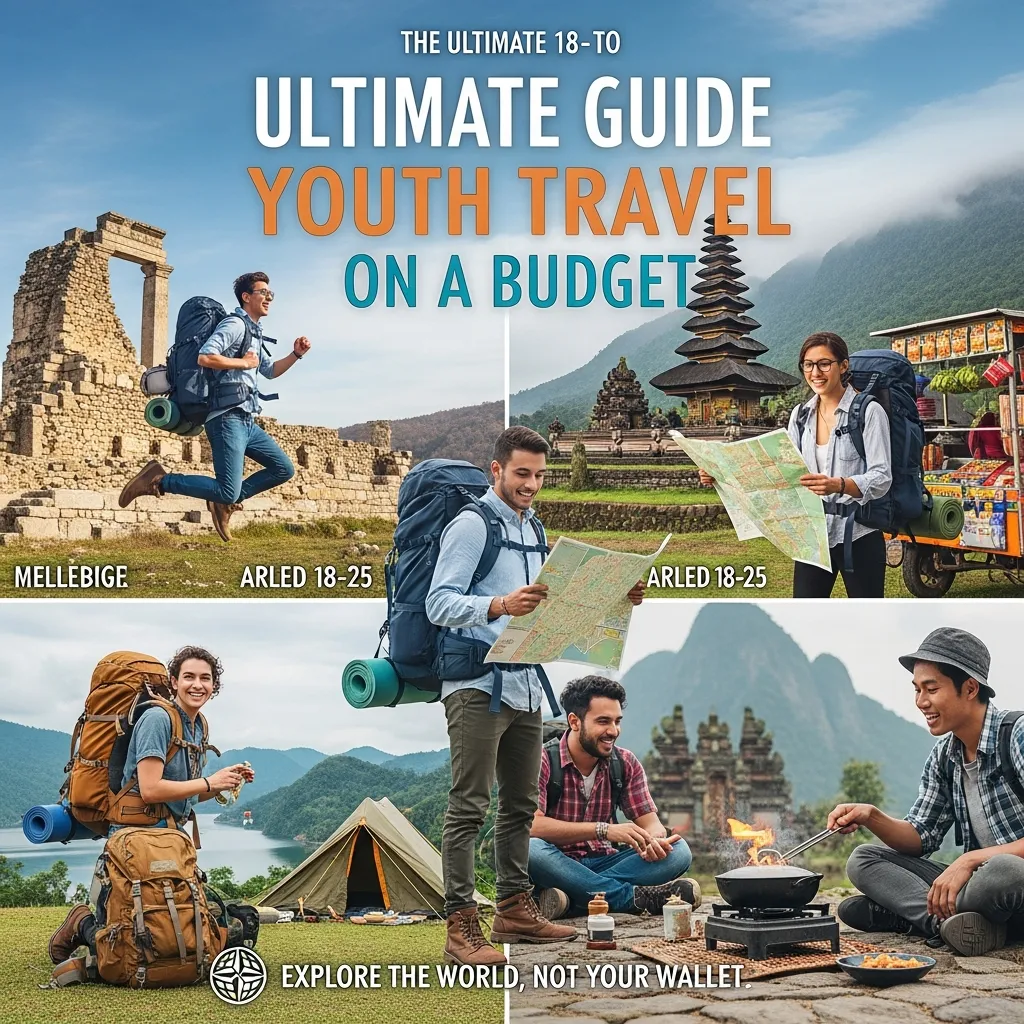
Youth travel involves exploring the world during your formative years to foster personal growth, cultural discovery, and budget-friendly adventures. To maximize your youth travel experience, select affordable destinations, utilize student discounts, prioritize hostel accommodations, and book flights two to three months in advance to secure the best rates.
Youth travel represents an unparalleled opportunity for freedom, discovery, and personal growth. When you venture out into the world during your late teens or twenties, you expose yourself to new cultures, diverse perspectives, and challenges that shape your worldview. Instead of following a traditional path without pause, embarking on a youth travel adventure allows you to learn about yourself and the global community in a profound way.
Now is the absolute best time to explore the world. With the rise of digital connectivity, remote work opportunities, and affordable transportation networks, international borders have never been more accessible to young explorers. You have the energy, the curiosity, and the flexibility to navigate unfamiliar environments, sleep in bustling hostels, and take long bus rides through scenic landscapes.
This comprehensive guide will cover everything you need to know about youth travel. From setting a realistic budget and choosing the right destinations, to staying safe on the road and meeting fellow travelers, you will find actionable advice to help you plan your journey.
How should you plan your youth travel adventure?
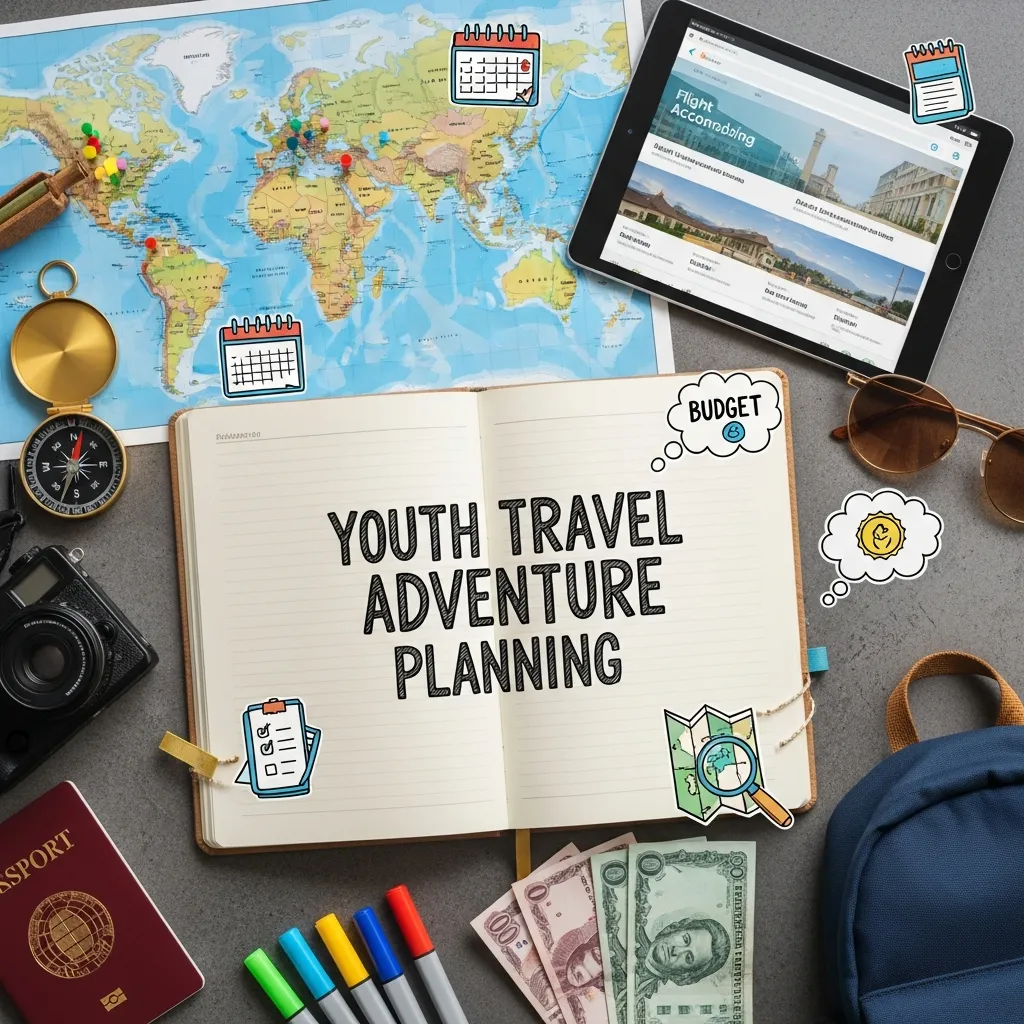
Thorough preparation forms the foundation of any successful trip. When planning your youth travel journey, breaking the process down into manageable steps reduces overwhelm.
Setting a budget for youth travel
Your budget dictates how long you can travel and where you can go. Start by identifying your primary funding sources, such as savings or part-time work. Calculate your expected daily expenses for food, accommodation, and activities. Always build an emergency fund of at least 15% of your total budget to cover unexpected costs like medical bills or sudden itinerary changes.
Choosing your destination: Best Travel Destinations for Your Next Trip
Selecting the right location is crucial. Some of the most popular youth travel spots include Southeast Asia, Europe, and South America, largely due to their established backpacker trails and affordable living costs. If you prefer off-the-beaten-path suggestions, consider emerging youth travel hubs in Central Asia or the less-visited regions of Eastern Europe. Choosing the best Travel Destinations for Your Next Trip depends entirely on your interests, language skills, and budget.
What are the best accommodation options?
Hostels remain the gold standard for youth travel. They offer cheap beds, communal kitchens, and built-in social networks. Guesthouses provide a slightly quieter alternative for a marginal price increase, while camping is highly cost-effective if you plan to visit national parks or rural landscapes.
Transportation and the Best Time to Book Flights
Navigating transportation requires strategy. Utilize local buses and trains to save money, or look into regional rail passes like the Eurail pass in Europe. When organizing air travel, knowing the Best Time to Book Flights is vital. Research indicates that booking international flights two to three months in advance generally yields the most favorable prices for budget-conscious young travelers.
Why travel insurance is essential
Never skip travel insurance. Young travelers often engage in adventure sports or visit remote areas. A comprehensive travel insurance policy covers medical emergencies, trip cancellations, and lost luggage. Choose a policy specifically designed for long-term youth travel to ensure adequate protection.
What are the essential tips for a smooth youth travel trip?
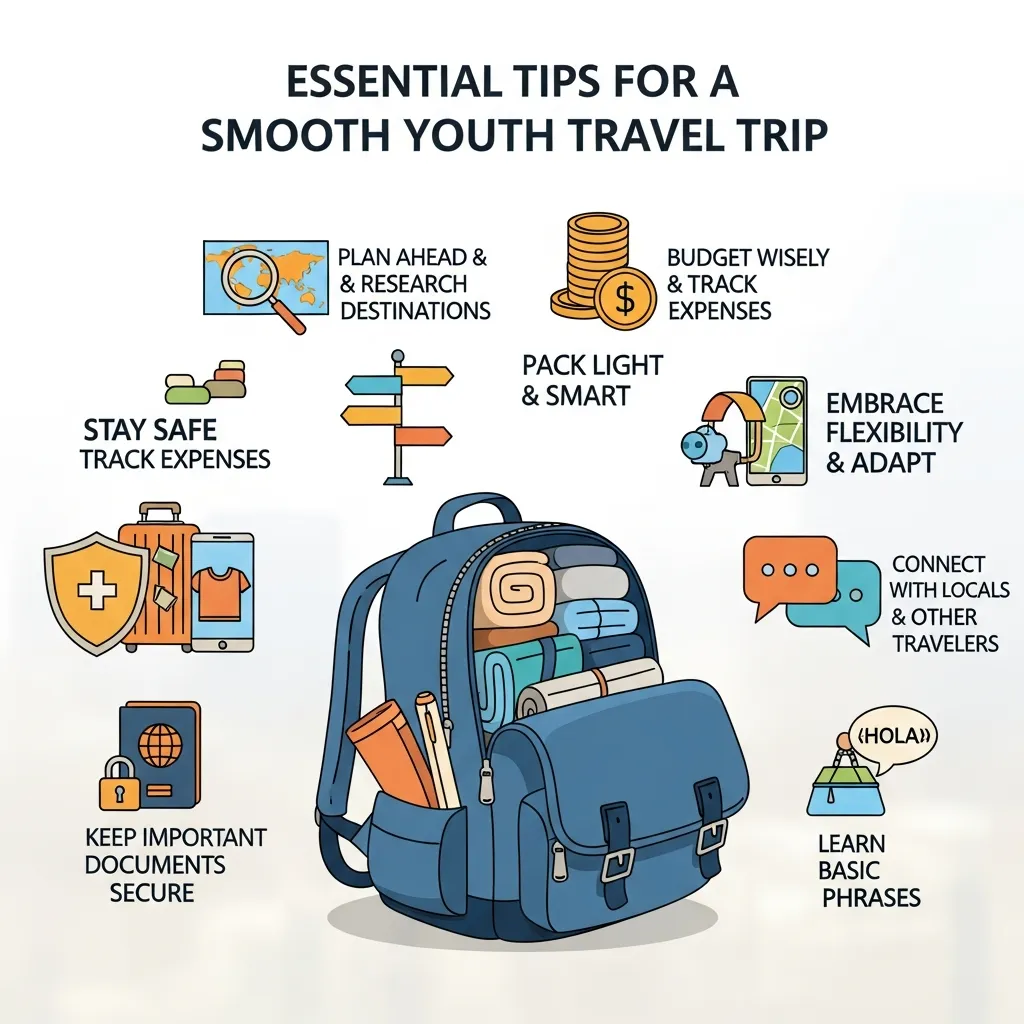
Once the planning phase concludes, focusing on the practicalities of life on the road ensures a seamless experience.
Packing smart and minimalist travel
A lighter backpack equals a happier traveler. Embrace minimalist travel by packing versatile clothing items that can be layered and mixed. Focus on essentials: a high-quality raincoat, comfortable walking shoes, and a universal power adapter. Avoid overpacking heavy electronics or bulky toiletries that you can easily purchase at your destination.
Staying safe and protecting valuables
Personal safety must be a priority during youth travel. Keep your passport and emergency cash in a concealed money belt. Research common tourist scams in your specific destination before you arrive. Always trust your intuition; if a situation or a neighborhood feels unsafe, remove yourself immediately.
Health on the road
Maintain your physical health to keep your youth travel adventure enjoyable. Visit a travel clinic months before departure to receive necessary vaccinations. Pack a basic first-aid kit containing pain relievers, bandages, and stomach medications. Stay active by opting for walking tours or hiking excursions.
Communication and staying connected
Staying connected with family and accessing digital maps requires reliable internet. Purchase a local SIM card upon arrival for cheap data, or use an eSIM if your phone supports it. Rely on free Wi-Fi in cafes and hostels, but consider using a Virtual Private Network (VPN) to protect your data on public networks.
How can you maximize your youth travel experience?
Youth travel goes beyond sightseeing; it involves active participation in the global community.
Embracing local culture
To truly experience a destination, engage with the local culture. Eat at busy street food stalls rather than tourist-focused restaurants. Learn a few basic phrases in the local language, such as “hello,” “please,” and “thank you.” Respect local customs regarding clothing and public behavior.
Volunteering and working abroad
Adding purpose to your travels enhances personal growth. Consider volunteer programs or working holiday visas. Organizations offer opportunities to teach languages, assist in conservation projects, or work in hostels in exchange for free accommodation. This approach significantly extends your youth travel timeline.
Meeting other travelers
Youth travel is inherently social. Hostels are the primary hubs for meeting like-minded individuals. Join group tours, attend hostel-organized pub crawls, or use social apps designed for travelers. Initiating conversations in communal areas often leads to lifelong friendships and shared adventures.
Documenting your youth travel journey
Capture your experiences through photography, journaling, or blogging. Writing down your daily reflections helps process the overwhelming amount of new information you encounter. A travel blog also serves as a wonderful portfolio of your youth travel adventures to share with friends and family back home.
What are the top budget-friendly youth travel hacks?
Traveling the world does not require a massive bank account if you employ strategic budget hacks.
Eating cheap on the road
Food expenses add up quickly. Rely on street food, which is often both the cheapest and most authentic culinary option. Alternatively, utilize hostel kitchens to cook your own meals. Buying fresh ingredients from local markets drastically reduces your daily food budget.
Finding free activities
Many cities offer incredible experiences at no cost. Participate in free walking tours (tipping the guide is customary but affordable). Explore public parks, hike local trails, and research museums that offer free admission on specific days of the week.
Student discounts and youth passes
Always carry a student ID card if you have one. Many attractions, transport companies, and cultural sites offer significant discounts for students and young travelers. The International Student Identity Card (ISIC) is widely recognized and unlocks thousands of discounts globally.
Traveling off-season
Youth travel during the off-season or shoulder season yields massive savings. Flights and accommodations are significantly cheaper, and popular tourist sites are less crowded. While the weather might be less predictable, the financial benefits and authentic experiences make it worthwhile.
How can you overcome common challenges in youth travel?
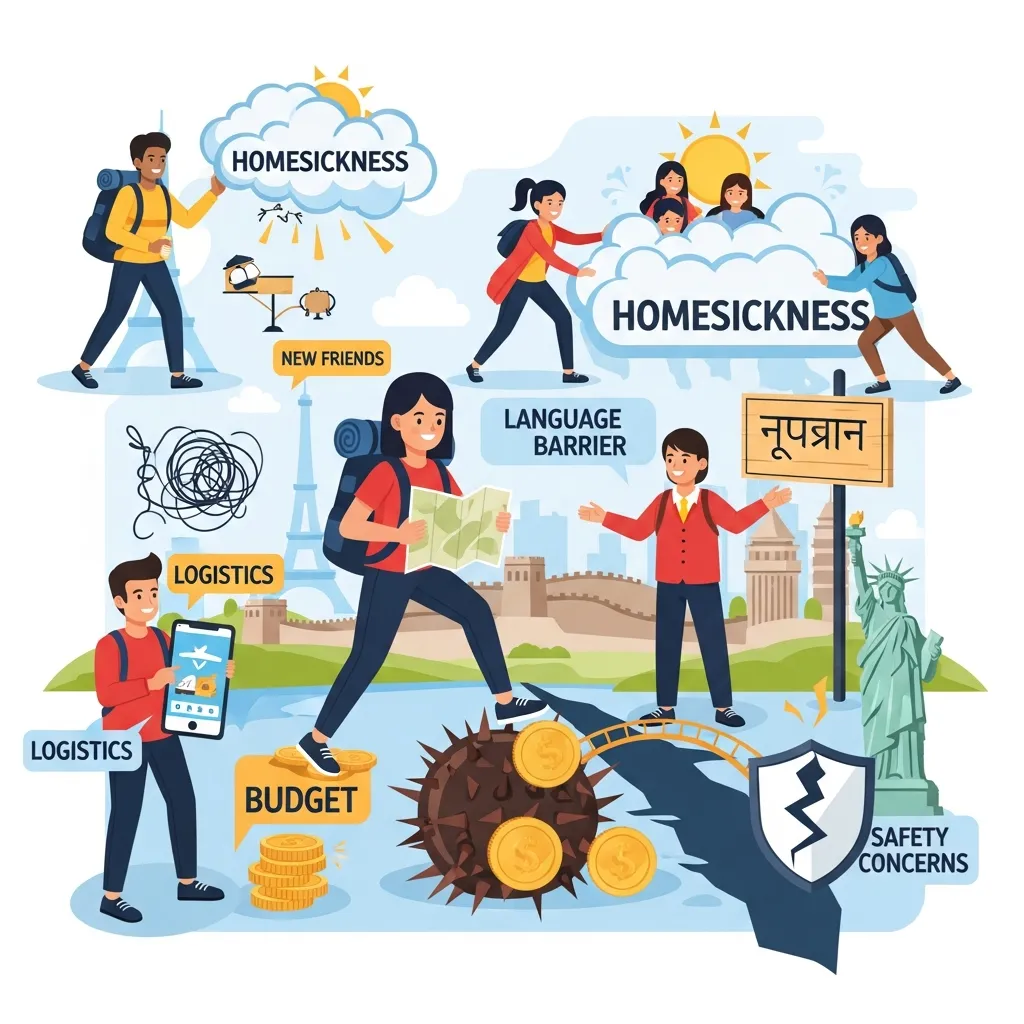
Long-term travel presents unique mental and logistical challenges. Preparing for these hurdles ensures you can handle them gracefully.
Overcoming homesickness and travel fatigue
Homesickness affects almost everyone during extended youth travel. Establish a routine of calling family or friends once a week. If you experience travel fatigue—the exhaustion of constantly moving and making decisions—slow down. Rent an apartment for a week, cook familiar food, and take a break from sightseeing.
Dealing with unexpected situations
Lost passports, stolen wallets, or sudden illnesses happen. Keep digital copies of all important documents securely stored in the cloud. If you lose your passport, locate your nearest embassy immediately. Having comprehensive travel insurance mitigates the financial stress of these emergencies.
Navigating cultural differences
Culture shock is a normal part of youth travel. You will encounter language barriers and unfamiliar social norms. Approach these differences with patience and an open mind. Use translation apps to bridge communication gaps, and observe how locals interact to understand acceptable behavior.
Conclusion: Make Youth Travel Your Lifelong Pursuit
Youth travel offers an incredible platform for exploring the world, building resilience, and developing a global mindset. By planning carefully, utilizing budget hacks, and embracing the inevitable challenges, you set yourself up for a transformative experience.
The memories you make while navigating foreign train stations, sharing meals with new friends, and witnessing breathtaking landscapes will stay with you forever. Do not wait for the perfect moment. Gather your savings, choose your destination, and embark on your own youth travel adventure today.
Frequently Asked Questions (FAQs)
What are the best budget travel destinations for young people?
Southeast Asia (Vietnam, Thailand, Indonesia) and Central America (Guatemala, Nicaragua) are highly affordable youth travel destinations. They offer cheap accommodation, low food costs, and extensive backpacker infrastructure.
How can I save money for a big youth travel trip?
Create a dedicated travel savings account. Cut non-essential expenses like dining out and subscription services. Consider taking on a side hustle or part-time job specifically to fund your youth travel budget.
Is it safe for young people to travel alone?
Yes, solo youth travel is generally safe if you take sensible precautions. Research your destinations, avoid walking alone at night in unfamiliar areas, stay aware of your surroundings, and regularly update family members on your location.
What should I pack for a long-term youth travel adventure?
Pack versatile, layerable clothing suitable for various climates. Essential items include a durable backpack, comfortable walking shoes, a universal adapter, basic toiletries, a microfiber towel, and a first-aid kit.
How do I get around cheaply while traveling?
Use local public transportation, such as city buses and metro systems, instead of taxis. For long distances, book overnight buses or trains, which save you money on transit and cover a night’s accommodation.
What’s the Best Time to Book Flights for international youth travel?
The Best Time to Book Flights is typically two to three months before your planned departure date. Use flight comparison tools and set price alerts to monitor fluctuations and secure the cheapest fare.
How can I meet other travelers on my trip?
Stay in social hostels with communal areas. Participate in group activities like walking tours, cooking classes, or pub crawls. You can also use travel-specific social networking apps to connect with people nearby.
What kind of travel insurance do I need for youth travel?
You need comprehensive travel insurance that covers emergency medical expenses, medical evacuation, trip cancellations, and lost or stolen belongings. Ensure it covers any specific adventure activities you plan to do, like scuba diving.
How can I immerse myself in local culture?
Eat at local markets instead of tourist restaurants. Learn basic phrases in the local language. Be respectful of cultural norms, attend local festivals, and interact genuinely with the residents you meet.
Are there volunteer opportunities for youth travelers?
Yes, platforms like Workaway and WWOOF connect youth travelers with hosts worldwide. You can volunteer in agriculture, education, hospitality, or conservation in exchange for room and board.
How do I handle emergencies while traveling?
Stay calm. Have emergency numbers for local police and medical services saved in your phone. Keep your travel insurance policy details accessible, and contact your country’s local embassy or consulate if you lose your passport or face serious legal trouble.
What are some unique Travel Destinations for Your Next Trip specifically for youth?
If you want unique Travel Destinations for Your Next Trip, consider visiting the mountainous regions of Georgia, traversing the diverse landscapes of Colombia, or exploring the cultural depth of Taiwan.