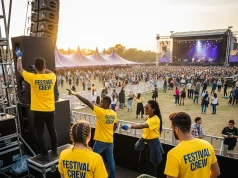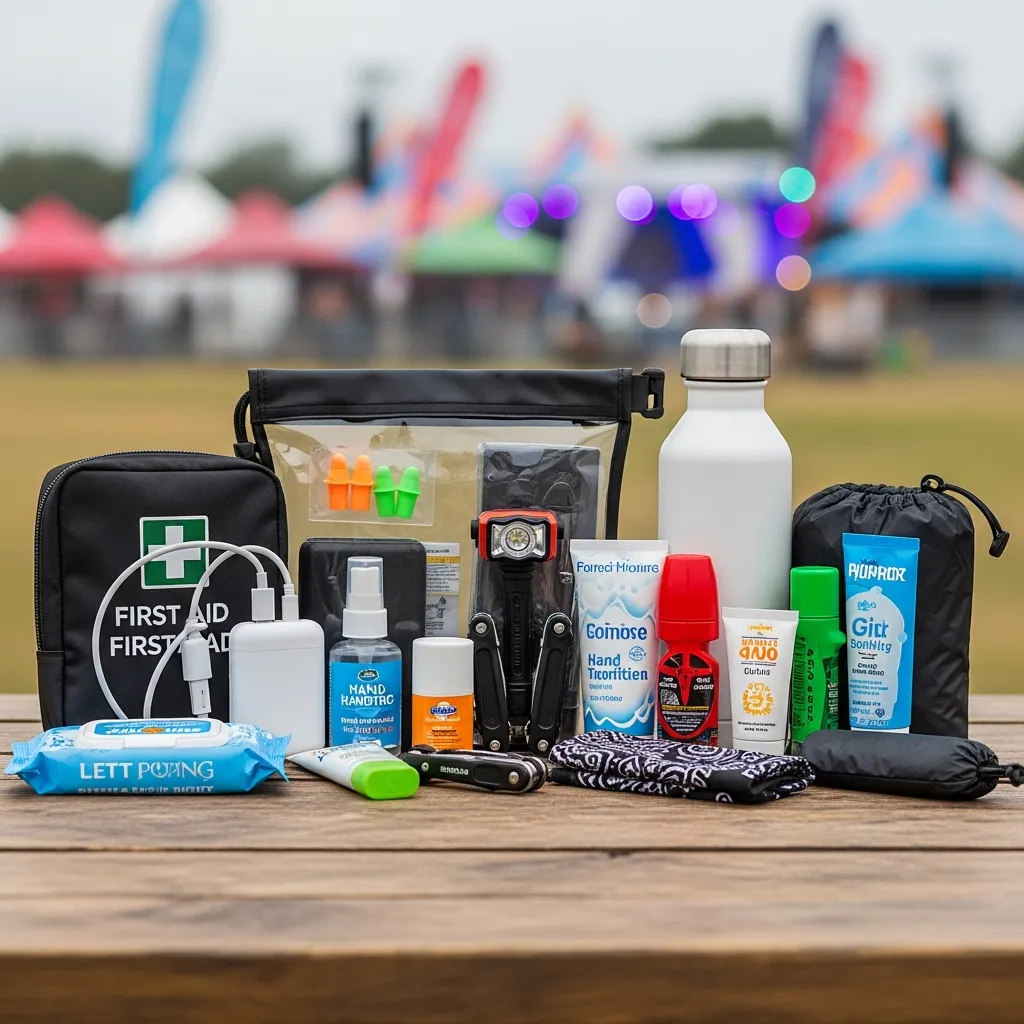
A well-planned festival survival kit is the difference between a magical weekend and a miserable one. This guide breaks down exactly what seasoned festival-goers pack — from weather protection and hydration gear to safety essentials and comfort items — so you can build your own kit before your next trip. You’ll also find packing mistakes to avoid and answers to 12 common questions travelers ask before heading to a festival.
Why Every Traveler Needs a Festival Survival Kit
Ask anyone who has slept through a thunderstorm in a leaking tent, run out of phone battery during a headline set, or spent a festival day dehydrated and sunburned — they’ll tell you the same thing: a solid packing plan isn’t optional, it’s essential. Festivals push you into unpredictable weather, crowded spaces, and long hours away from shops or shelter. The right gear prepares you for all of it, so you can focus on the music, the culture, and the people instead of scrambling for supplies.
Experienced travelers who move from one event to another, as covered in our guide on traveling to multiple festivals in one trip, know that packing smart is what makes back-to-back festival travel sustainable. A good festival survival kit is lightweight, reusable, and built around real conditions — not guesswork.
What Goes Into a Complete Festival Survival Kit
1. Weather Protection
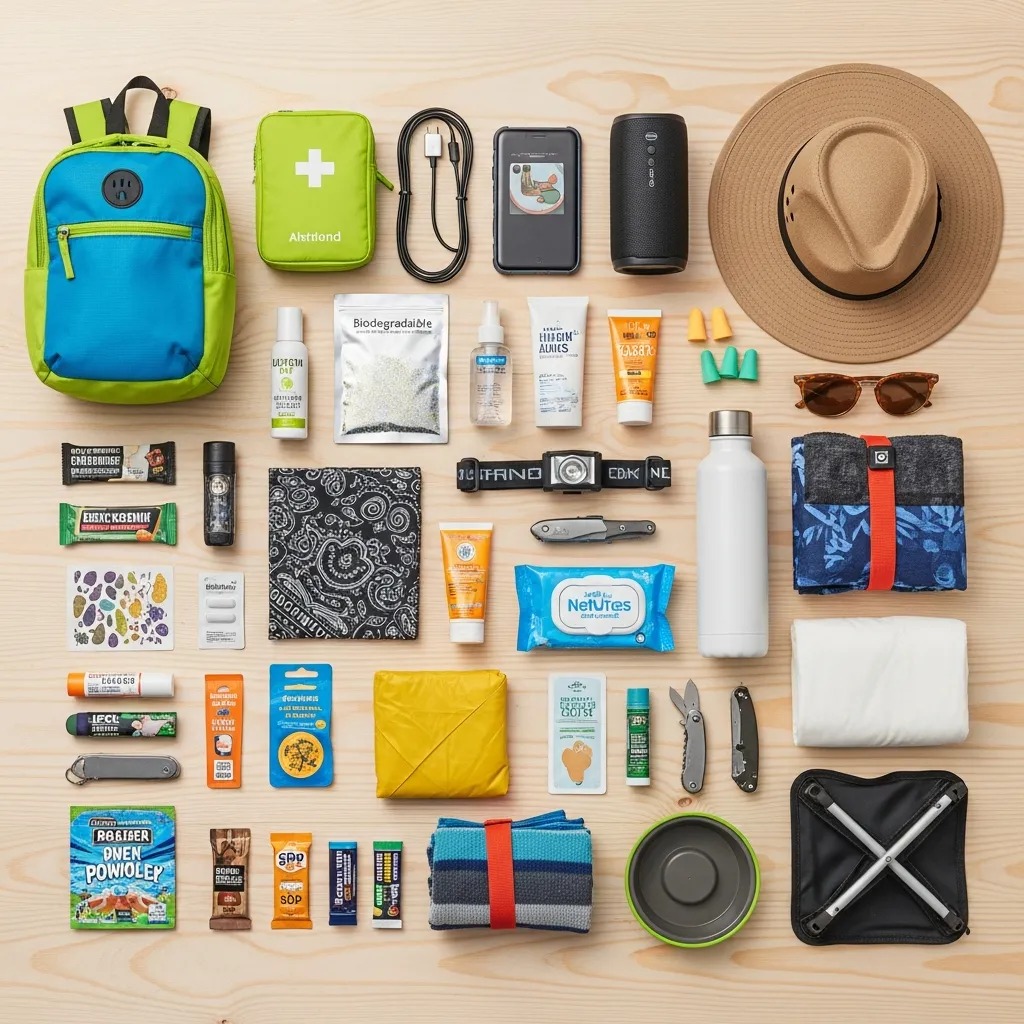
No matter the season, weather can turn fast at outdoor events. A dependable festival survival kit always includes:
- A compact rain poncho or waterproof jacket
- A wide-brim hat or bandana for sun protection
- Reusable sunscreen stick (easy to reapply without mess)
- A lightweight thermal layer for cold nights
Extreme heat is one of the biggest risks at outdoor festivals. The CDC’s guidance on preventing heat-related illness is worth a quick read before you pack — it covers hydration needs, warning signs of heat exhaustion, and how to stay cool in crowds.
2. Hydration and Food Essentials
Long festival days drain your energy fast. Every festival survival kit should carry:
- A collapsible or insulated water bottle
- Electrolyte tablets or rehydration sachets
- High-protein snack bars for quick energy
- A small reusable food container
If you’re curious about the food side of festival culture, our guide to mobile food vendors is worth checking before you go.
3. Comfort and Health Items
Comfort items are what separate a survival kit from a bare-minimum bag:
- Earplugs for sleeping near loud stages or campsites
- A basic first-aid kit (blister pads, pain relief, antiseptic wipes)
- Travel-size hand sanitizer and wet wipes
- A foldable sitting mat or inflatable cushion
4. Tech and Safety Gear
No festival survival kit is complete without these:
- A portable power bank (10,000mAh or higher)
- A whistle or personal safety alarm
- A waterproof phone pouch
- Offline maps or a printed festival schedule as backup
5. Documents and Money
Keep this section of your gear close to your body at all times:
- A copy of your ID or passport
- A small amount of cash in a hidden pouch
- Emergency contact details written on paper, not just saved digitally
- Festival tickets, both digital and printed copies
For more on securing tickets before you even reach the gate, see our guide on booking festival tickets online.
Packing for Multi-Day Camping Festivals
Camping festivals demand a bigger packing list than single-day events. In addition to the essentials above, seasoned campers add:
- A lightweight, weatherproof tent with a repair patch kit
- A sleeping bag rated for night temperatures at the venue
- Solar-powered lanterns or headlamps
- Dry bags to protect clothing and electronics from mud or rain
If budget accommodation is a concern for your trip, our article on scoring budget accommodation during festivals pairs well with your camping-focused packing plan.
Seasonal Packing Adjustments
The contents of your bag should shift with the calendar, since summer heat and winter cold demand very different priorities.
Summer Packing List
- Lightweight, breathable clothing and a cooling towel
- Extra sunscreen and a mini spray fan
- More water capacity than usual — heat increases dehydration risk fast
Winter or Off-Season Packing List
- Thermal base layers and wool socks
- Hand warmers and an insulated flask for hot drinks
- Waterproof boots, since cold-weather festivals often mean mud
If you’re planning around the calendar, our guide on the cheapest time of year for festival travel can help you time your trip while adjusting your gear to match the season. Travelers heading to colder events may also want to check our winter offseason travel destinations guide for extra planning ideas.
Packing for Solo Travelers vs. Group Trips
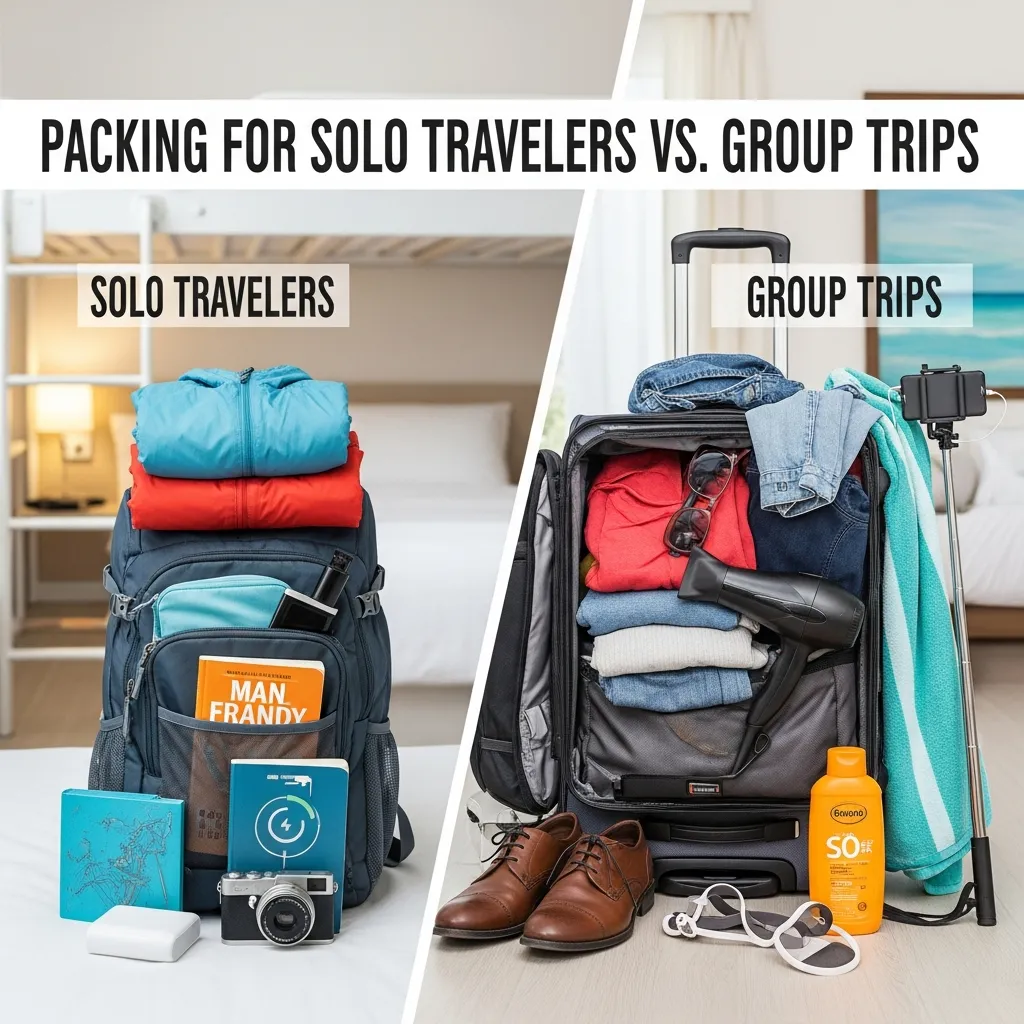
How you pack also depends on who you’re traveling with.
Solo Travelers Going alone means your kit has to cover every scenario without backup from a companion. Prioritize:
- A fully charged secondary power bank
- Written emergency contacts and your accommodation address
- A personal safety alarm, since you won’t have a group to rely on
Our detailed guide on planning a festival trip solo without stress walks through additional solo-specific precautions worth pairing with your kit.
Group Travelers Groups can split the load, which means your gear can be distributed across bags:
- One person carries the shared first-aid kit
- Another carries the shared charging equipment
- Everyone still carries a personal mini-kit with water, ID, and cash
For coordinating logistics with friends, see our group festival travel planning guide, which covers how to divide responsibilities so no single person’s load becomes overloaded.
How to Organize and Carry Your Gear
Even the most complete festival survival kit is only useful if you can access it quickly. Experienced travelers rely on a few simple organization habits:
- Use clear pouches or packing cubes. Separate your kit into labeled categories — hydration, safety, tech, documents — so you’re not digging through one messy bag mid-festival.
- Keep a “grab-and-go” version. Your full kit might live in your tent or hotel room, but a compact daily version should always be in your daypack.
- Waterproof the essentials first. Documents, phone, and power bank should go in waterproof pouches before anything else, since weather at outdoor events is rarely predictable.
- Do a nightly check. Each evening, restock water, recharge power banks, and confirm your first-aid supplies are still intact before the next day begins.
This kind of organization matters even more at multi-day outdoor events, which is why our outdoor festival complete guide is a useful companion read alongside your checklist.
Packing Tips From Experienced Festival Travelers
- Pack in layers, not bulk. A smart kit relies on multi-use items rather than heavy, single-purpose gear.
- Label everything. Festivals are chaotic; labeled gear is easier to recover if lost.
- Test your kit before departure. Charge your power bank, check your tent for leaks, and confirm your first-aid supplies aren’t expired.
- Keep a duplicate mini-kit in your daypack. Even if your main gear stays at your tent or hotel, a smaller version should stay on you throughout the day.
- Learn from past mistakes. Our guide to festival travel mistakes even experienced travelers make highlights packing errors worth avoiding.
Building an Eco-Friendly Packing Kit
Sustainability matters at festivals, where thousands of attendees can generate huge amounts of waste in a single weekend. An eco-conscious packing plan swaps disposables for reusables wherever possible:
- A refillable water bottle instead of single-use plastic bottles
- Reusable cutlery and a foldable food container instead of disposable trays
- Solar-powered chargers instead of disposable batteries
- Biodegradable wet wipes and reef-safe sunscreen
The Leave No Trace Seven Principles are a useful framework for camping festival-goers who want to minimize their footprint on shared land. Building your gear around reusable items not only reduces waste but also saves money over repeated trips. For travelers who want to go further, our sustainable travel guide offers broader tips on traveling responsibly.
Budget-Friendly Ways to Build Your Kit
You don’t need to spend a lot to put together a reliable festival survival kit. Many experienced travelers build theirs gradually, picking up items on sale or reusing gear from previous trips.
- Buy multi-use items. A bandana can work as sun protection, a dust mask, and a sweat towel — cutting down on how much you need to pack.
- Shop secondhand for camping gear. Tents, sleeping bags, and lanterns are often available in great condition from secondhand outdoor shops.
- Reuse hotel or airline toiletries. Small bottles of sanitizer or sunscreen from past trips are perfect for a compact bag.
- Buy in bulk with friends. Splitting the cost of electrolyte tablets, wet wipes, or batteries with your travel group keeps your budget low.
If you’re also trying to cut costs on the festival itself, our guide on how to attend festivals cheaply pairs well with a budget-conscious packing plan.
Common Packing Mistakes That Ruin a Festival Trip
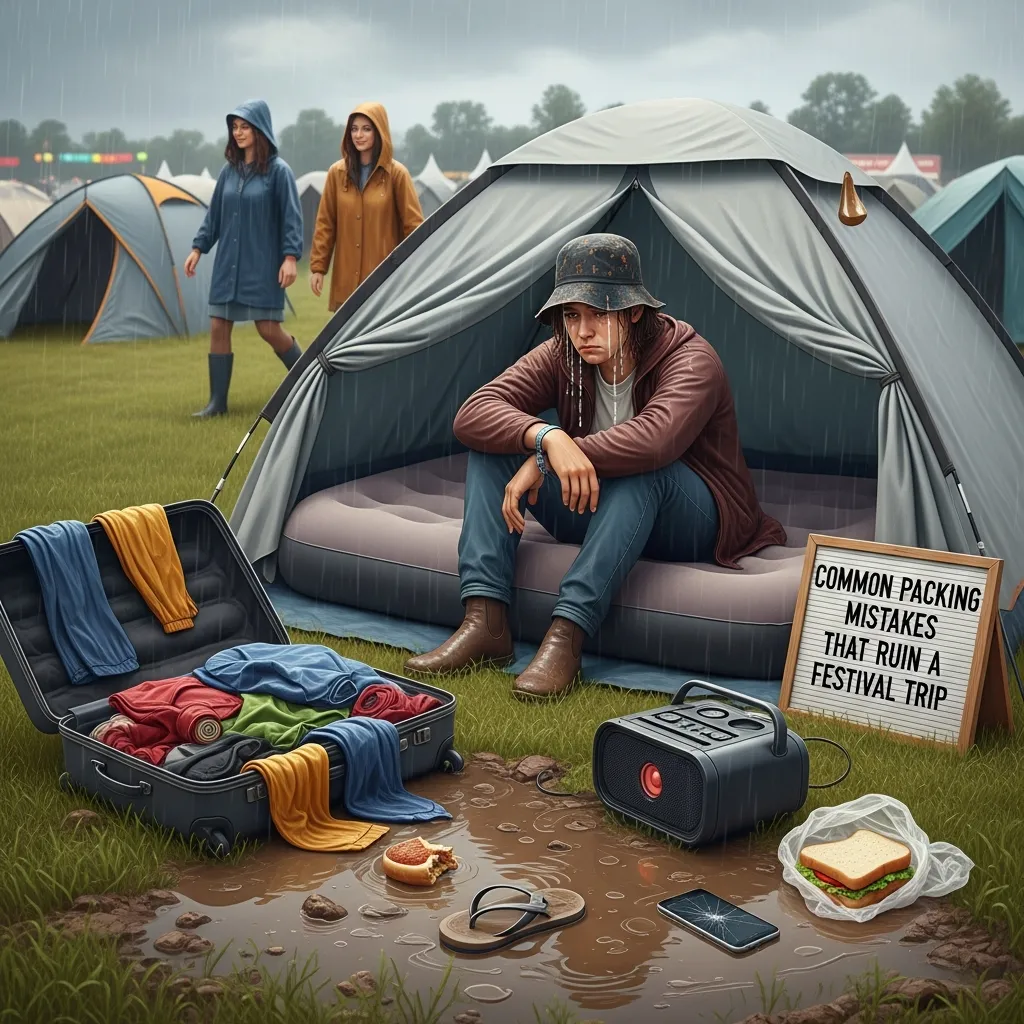
- Overpacking clothes, underpacking essentials. Extra outfits matter less than hydration and first-aid supplies.
- Ignoring the weather forecast. Always check conditions a few days out and adjust your gear accordingly.
- Forgetting backup power. A dead phone at a festival means no tickets, no maps, and no emergency contact.
- Skipping the first-aid basics. Minor injuries are common in crowds — don’t assume you won’t need it.
Travelers who also enjoy capturing memories should pair their kit with tips from our festival photography guide, which covers gear that survives dust, crowds, and long days outdoors.
Conclusion
A thoughtful festival survival kit is what turns unpredictable festival conditions into a smooth, enjoyable experience. From hydration and weather protection to safety gear and backup power, every item in your festival survival kit should serve a real purpose. Whether you’re heading to a single-day city event or a multi-day camping festival, packing intentionally means more time enjoying the music and culture — and less time dealing with avoidable problems. Build your festival survival kit once, refine it after each trip, and it will serve you well for every festival ahead.
Frequently Asked Questions
1. What is a festival survival kit?
A festival survival kit is a curated set of essential items — covering hydration, weather protection, safety, comfort, and documents — that helps travelers stay prepared throughout a festival, whether it’s a single day or a multi-day camping event.
2. What should be the first item in any festival packing list?
Water and hydration supplies should always come first. Dehydration is the most common issue at outdoor festivals, so a reusable water bottle and electrolyte tablets are top priorities.
3. Do I need different gear for camping festivals? Yes.
Camping festivals require additional gear like a tent, sleeping bag, and lighting, on top of the standard essentials.
4. How much should a festival packing kit weigh? Aim to
keep your daypack version under 3-4 kg. Heavier camping gear can be packed separately and left at your tent or accommodation.
5. What safety items belong in a festival survival kit? A
personal alarm or whistle, a waterproof phone pouch, a basic first-aid kit, and written emergency contacts are core safety items every kit should include.
6. Can I build a good travel kit on a budget? Absolutely. Most
essentials — earplugs, sunscreen, a reusable bottle, and a basic first-aid kit — are inexpensive and often available at local pharmacies or convenience stores.
7. How do I protect electronics in my kit? Use a waterproof
phone pouch and pack a dry bag for chargers, cables, and power banks, especially at outdoor or camping festivals where rain is likely.
8. What food items work best in a packing list? Non-
perishable, high-energy snacks like protein bars, nuts, and dried fruit travel well and don’t require refrigeration.
9. Should I pack medication in my travel kit? Yes, bring any
prescription medication along with basic over-the-counter pain relief, allergy medicine, and blister treatment.
10. How early should I prepare my packing kit? Start
assembling your kit at least a week before departure so you have time to test gear, charge devices, and replace expired supplies.
11. What’s the biggest mistake travelers make with their gear?
Underestimating hydration and sun protection needs is the most common mistake, especially at daytime outdoor festivals.
12. Can this kit be reused for multiple trips?
Yes, most items — power banks, first-aid supplies, dry bags, and reusable bottles — are designed to be reused across many festival trips, making your kit more cost-effective over time.