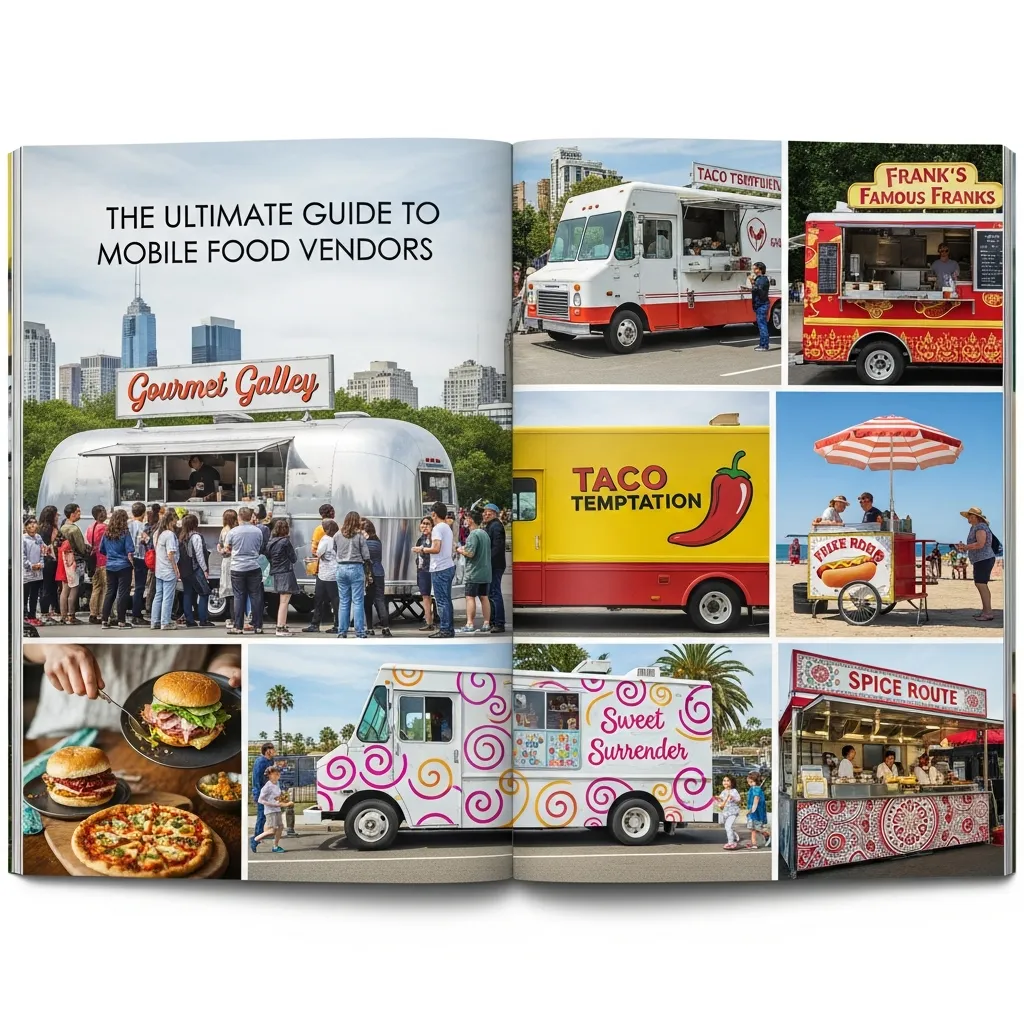
A detailed exploration of the mobile food vendor industry, from its historical roots to modern-day trends, focusing on the innovation, challenges, and unique culinary experiences offered by these dynamic businesses. This post explores how mobile food vendors are reshaping urban landscapes and culinary travel, with a special look at “Winter Wonders” in the street food scene.
Food is no longer confined to brick-and-mortar establishments. Across the globe, mobile food vendors are taking their culinary creations directly to the streets, transforming how communities eat, gather, and experience flavor. From busy downtown corners to quiet neighborhood parks, these mobile kitchens offer a level of convenience and creativity that traditional dining often struggles to match.
The dynamic world of street food has evolved significantly over the last decade. What once consisted mainly of basic hot dog carts and pretzel stands has blossomed into a sophisticated movement of gourmet trucks, pop-up tents, and specialized carts. Chefs are leaving high-end restaurant kitchens to become mobile food vendors, bringing restaurant-quality dishes to the sidewalk. This shift has democratized gourmet dining, allowing everyday people to enjoy high-quality meals without the high-end price tag or formal atmosphere.
Mobile food vendors are now essential to modern culinary landscapes. They breathe life into underutilized urban spaces, foster community interaction, and serve as incubators for culinary innovation. By operating with lower overhead costs than traditional restaurants, mobile food vendors can take bold risks with their menus. This freedom fuels the creation of vibrant, diverse food scenes that attract both locals and tourists looking for authentic culinary travel experiences.
The History and Evolution of Mobile Food Vendors
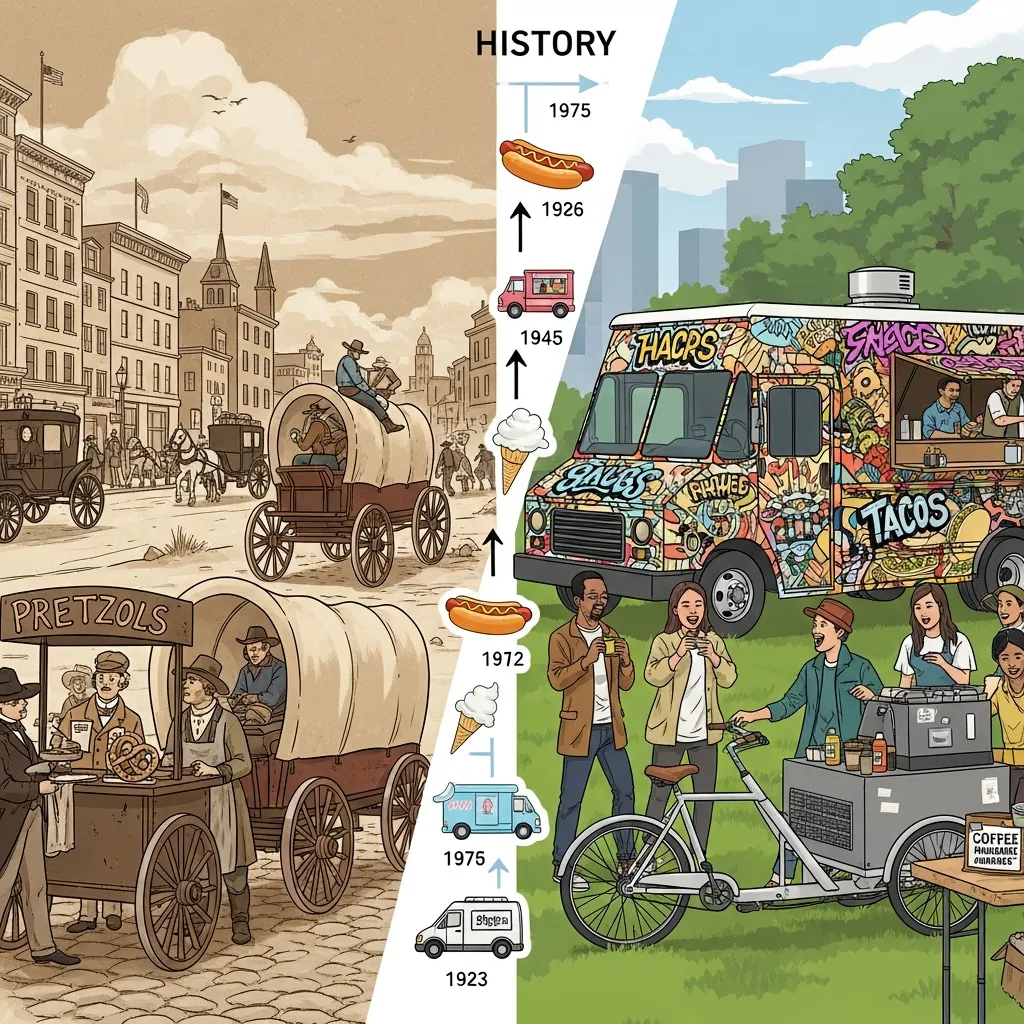
From Ancient Markets to Modern Food Trucks
The concept of street food is not new. Ancient civilizations, including the Romans and Greeks, relied on street vendors to feed urban populations who lacked private kitchens. Fast forward to the late 19th century in the United States, and the chuckwagon became a staple for feeding cowboys on the frontier. Today, mobile food vendors have evolved from these practical beginnings into fully equipped modern food trucks capable of executing complex menus.
Key Milestones in the Mobile Food Vendor Revolution
The modern food truck movement gained immense traction around 2008. The economic recession forced many talented chefs out of traditional restaurant jobs, prompting them to launch mobile food vendors as a cost-effective alternative. The introduction of gourmet fusion concepts—like the famous Korean BBQ taco truck in Los Angeles—proved that mobile food vendors could offer highly sought-after, innovative cuisine.
How Technology and Social Media Transformed the Industry
Mobile food vendors owe much of their contemporary success to social media platforms like Twitter and Instagram. Because mobile food vendors frequently change locations, they rely on digital tools to broadcast their whereabouts to loyal followers. This real-time marketing strategy creates a sense of urgency and exclusivity, turning a simple lunch break into an exciting scavenger hunt for the best street food in town.
The Business of Mobile Food Vendors
Starting Your Own Mobile Food Business: A Comprehensive Guide
Launching a business as a mobile food vendor requires careful planning. Aspiring owners must first develop a unique concept that stands out in a crowded market. Following this, securing a suitable vehicle—whether a truck, trailer, or cart—is critical. Outfitting a mobile kitchen requires specialized equipment designed to maximize limited space while meeting strict commercial health codes.
Overcoming Challenges: Regulations, Competition, and Logistics
Operating as mobile food vendors is not without hurdles. Navigating complex city ordinances, securing proper permits, and finding legal parking spots can be incredibly frustrating. Additionally, mobile food vendors face intense competition and unpredictable weather. Ensuring a consistent supply chain and managing the daily logistics of food prep, travel, and cleanup require immense dedication.
Success Stories and Innovative Business Models
Many mobile food vendors have leveraged their street-level success into permanent restaurant locations or national franchises. Some operate hybrid models, using their food trucks for catering and private events while maintaining a small brick-and-mortar presence. These innovative approaches allow mobile food vendors to diversify their income streams and build resilient brands.
The Financials: Costs, Revenue, and Profitability
The startup costs for mobile food vendors typically range from $50,000 to over $150,000, depending on the condition and customization of the vehicle. While this is significantly less than opening a traditional restaurant, margins can still be tight. Successful mobile food vendors maximize profitability by carefully managing food waste, optimizing their menus for speed, and securing high-volume locations or lucrative private catering gigs.
Culinary Creativity on Wheels
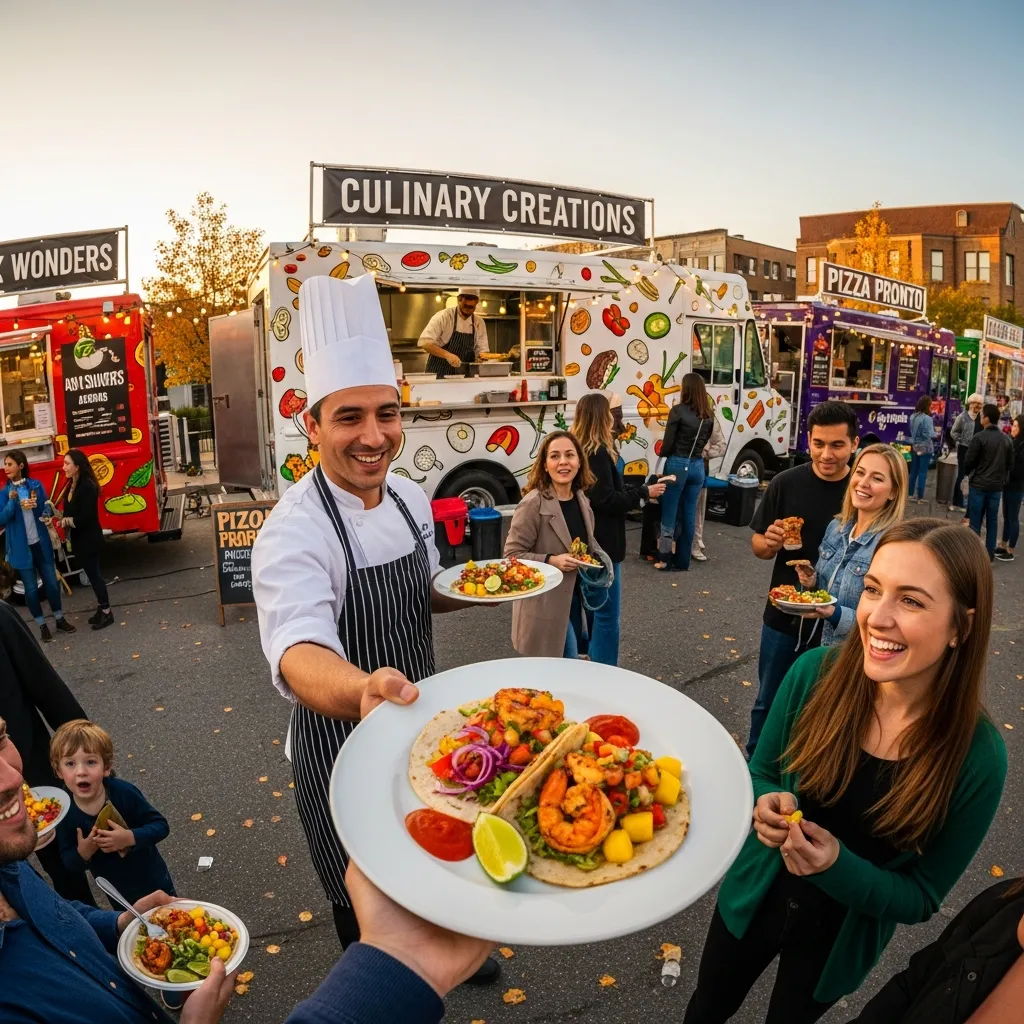
The Diverse Offerings of Mobile Food Vendors
Walk down any busy street, and you will find mobile food vendors serving everything from artisanal wood-fired pizzas to authentic Thai street food. The limited menu format forces mobile food vendors to perfect their offerings. This focus on doing a few things exceptionally well ensures that customers receive fresh, flavorful, and memorable meals.
Fusion Cuisine and Niche Markets: A Culinary Adventure
Mobile food vendors are famous for blending culinary traditions. By merging different cultural flavors, they create exciting fusion dishes that captivate food enthusiasts. Niche markets—such as 100% vegan trucks, gluten-free bakeries on wheels, or specialized dessert carts—also thrive in this environment, catering to specific dietary needs that traditional restaurants might overlook.
Highlighting “Winter Wonders”: Seasonal Delights from Mobile Food Vendors
While summer is the peak season for street food, many mobile food vendors adapt to colder months with creative “Winter Wonders.” These seasonal menus feature hearty, warming items like gourmet hot chocolate, spicy chili, and roasted root vegetables. Embracing these Winter Wonders allows mobile food vendors to maintain cash flow year-round and provide cozy, comforting culinary experiences during the freezing months.
The Role of Local Ingredients and Sustainable Practices
To stand out, many mobile food vendors partner with local farms and bakeries to source fresh, seasonal ingredients. This farm-to-truck approach supports the local economy and enhances the quality of the food. Furthermore, mobile food vendors are increasingly adopting compostable packaging and energy-efficient generators to reduce their environmental footprint.
Mobile Food Vendors and Urban Culture
Reshaping Cityscapes and Community Gatherings
Mobile food vendors naturally transform empty lots and quiet sidewalks into vibrant community hubs. When multiple mobile food vendors gather in one place, they create an impromptu food court that encourages neighbors to mingle and interact. This activation of public space is a powerful tool for urban revitalization.
Street Food Festivals and Events: A Celebration of Flavor
Food truck rallies and street food festivals celebrate the incredible diversity of mobile food vendors. These events draw massive crowds, offering attendees the chance to sample dozens of different cuisines in a single afternoon. For mobile food vendors, these festivals are highly profitable and serve as excellent marketing opportunities to reach new audiences.
The Social Impact of Mobile Food Vendors: Accessibility and Entrepreneurship
Mobile food vendors provide an accessible entry point into the culinary industry for immigrants, minorities, and young entrepreneurs. By lowering the financial barriers to business ownership, mobile food vendors empower individuals to share their cultural heritage through food and build generational wealth.
Mobile Food Vendors and Culinary Travel
Exploring New Destinations Through Street Food
Culinary travel is driven by the desire to experience a culture through its food. For many travelers, eating at traditional restaurants is only half the story. Tracking down popular mobile food vendors provides a raw, authentic taste of a city’s true culinary heartbeat.
How Mobile Food Vendors Enhance the Travel Experience
Mobile food vendors offer travelers a low-risk way to sample unfamiliar dishes. The interactive nature of ordering from a truck allows tourists to speak directly with the chefs, learning about the ingredients and the cultural significance of the meal. This interaction elevates culinary travel from mere consumption to genuine cultural exchange.
Must-Try Street Food Experiences Around the World
From the bustling night markets of Taipei to the vibrant taco stands of Mexico City, global mobile food vendors offer unforgettable culinary travel experiences. Cities like Austin, Texas, and Portland, Oregon, have built entire tourism campaigns around their world-class food truck pods, proving that mobile food vendors are powerful magnets for global food lovers.
The Future of Mobile Food Vendors

Emerging Trends and Innovations
The future looks bright for mobile food vendors. We are seeing a rise in automated ordering systems, cashless payments, and even robotic food prep assistants inside trucks. Mobile food vendors are also experimenting with subscription models and meal-kit deliveries to reach customers beyond the sidewalk.
Sustainable Practices and Eco-Friendly Approaches
As consumers demand greener business practices, mobile food vendors are responding by investing in solar-powered vehicles, zero-waste menu planning, and biodegradable utensils. Sustainability is no longer just a buzzword; it is a core operational strategy for the next generation of mobile food vendors.
The Continued Growth and Influence of the Industry
The demand for convenient, high-quality street food shows no signs of slowing down. As city planners increasingly recognize the value of mobile food vendors, we can expect to see more dedicated infrastructure, such as permanent food truck parks equipped with water and power hookups, solidifying their place in the culinary ecosystem.
Why We Should Support Mobile Kitchens
Mobile food vendors represent the very best of culinary ingenuity, entrepreneurial grit, and community spirit. They have fundamentally changed how we eat, turning ordinary streets into vibrant dining destinations and making culinary travel more exciting than ever. By offering a platform for diverse voices and flavors, mobile food vendors ensure our cities remain vibrant and delicious.
The next time you see a line forming at a colorful truck or cart, step up and place an order. Supporting local mobile food vendors means supporting small business owners, celebrating culinary creativity, and keeping the vibrant tradition of street food alive and thriving in your community.