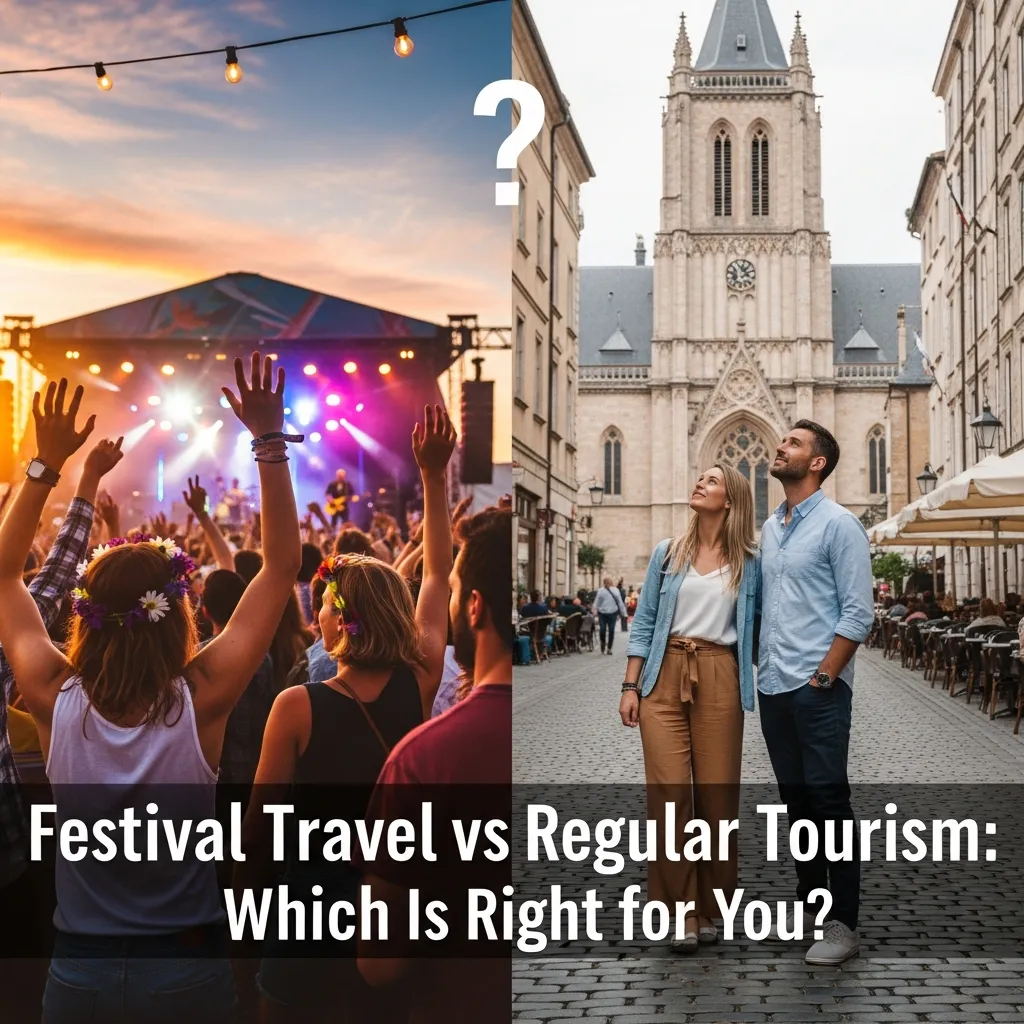
Festival travel and regular tourism offer fundamentally different experiences. Festival travel centers on specific cultural, musical, or artistic events with built-in community and energy. Regular tourism prioritizes flexible exploration, relaxation, and sightseeing at your own pace. The right choice depends on your personality, budget, and what you want to take home from a trip.
Every traveler faces a version of the same question at some point: do you plan your trip around a destination, or around an event? Festival travel vs regular tourism represents two genuinely distinct philosophies of exploring the world—and choosing between them can shape everything from your budget to your friendships to the memories you carry home.
Festival travel has surged in popularity over the past decade. Events like Carnival in Rio, Glastonbury in the UK, and Burning Man in the Nevada desert now draw millions of visitors who plan their entire year around a single cultural moment. Meanwhile, regular tourism remains the backbone of the travel industry—slow mornings in museums, spontaneous restaurant discoveries, and itineraries that breathe.
Neither approach is inherently better. But understanding the core differences between festival travel vs regular tourism can help you spend your time, money, and energy on the kind of trip that actually suits you. This blog post breaks down both travel styles in detail—covering culture, cost, logistics, sustainability, and more—so you can make that call with confidence.
What Is Festival Travel, and Why Is It Growing?
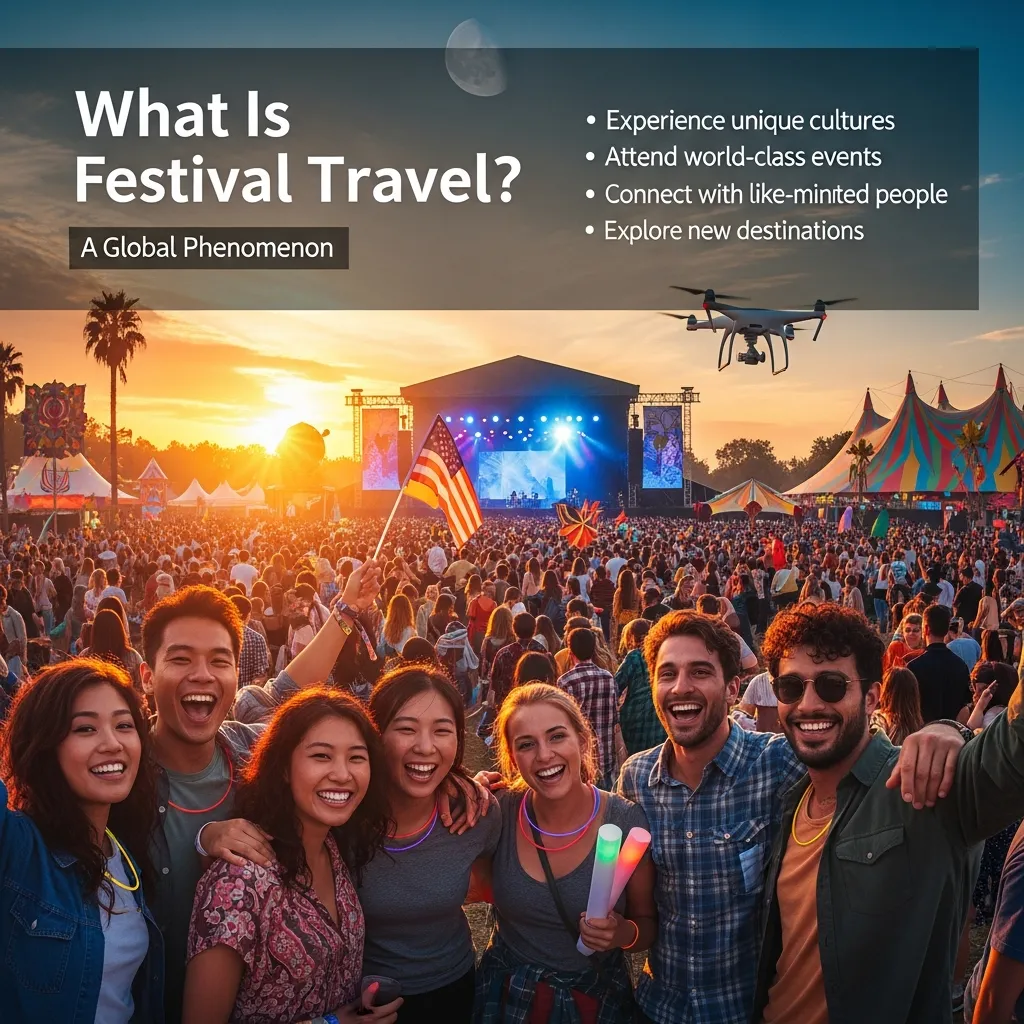
Festival travel means organizing a trip specifically around attending an event. That event might be a music festival, a religious ceremony, a harvest celebration, a cultural parade, or an arts showcase. The destination becomes secondary to the experience.
The global rise of experiential travel has fueled this trend. According to Eventbrite research, 78% of millennials prefer to spend money on experiences rather than things. That shift in values has made festival travel vs regular tourism a more active conversation among younger travelers in particular.
What Makes Festival Travel Unique?
The defining quality of festival travel is immersion by design. Festivals are curated experiences—someone has already done the work of gathering performers, food vendors, cultural demonstrations, and community into one place and time. You arrive, and the experience begins.
This structure creates a kind of instant belonging. Strangers become companions quickly at festivals. Shared rituals, music, and even logistical challenges (finding your tent at 2 a.m., navigating a crowd) create social bonds that regular tourism rarely replicates.
Festival travel also unlocks access to traditions that don’t exist outside specific times of year. Japanese Seasonal Festivals, for example, are tied to agricultural cycles, religious calendars, and centuries-old customs that only manifest during narrow windows. Attending Hanami (cherry blossom viewing) in April, Tanabata in July, or Obon in August gives travelers an experience that no museum exhibit or travel guide can fully replicate.
Similarly, Tribal Cultural Festivals across Africa, Southeast Asia, and South America offer rare windows into living traditions. Events like the Hornbill Festival in Nagaland, India—often called the “Festival of Festivals”—bring together 16 distinct Naga tribes for nine days of dance, craftsmanship, and ceremony. These festivals are accessible to tourists, though respectful engagement is essential.
The Social Power of Festival Travel
One of the most frequently cited benefits of festival travel vs regular tourism is the social dimension. Festivals create natural conversation starters. Everyone around you shares at least one thing in common: they chose to be there.
This makes festival trips solo without stress surprisingly achievable. Unlike solo regular tourism, where you might spend evenings eating alone, solo festival-goers are typically surrounded by people open to connection. Pre-trip planning through Facebook groups, Reddit threads, and festival apps can help you arrange meetups before you even leave home.
Music, Art, and Global Green Festivals
Beyond cultural festivals, the music and arts festival circuit represents its own thriving category of festival travel. Coachella, Tomorrowland, and Fuji Rock attract travelers from dozens of countries who combine live performance with tourism around the host city.
Global Green Festivals add an important dimension to this landscape. Events like Shambhala in Canada and Boom Festival in Portugal are built around environmental sustainability—using renewable energy, banning single-use plastics, and offsetting carbon emissions. For environmentally conscious travelers weighing festival travel vs regular tourism, these events offer a way to engage with communities that share their values.
The spontaneity factor also deserves mention. Festival schedules shift. Artists change stages. Conversations lead somewhere unexpected. This unpredictability is a feature, not a bug, for travelers who find regular itineraries too rigid.
What Makes Regular Tourism Worth Choosing?
Regular tourism prioritizes freedom. You pick a place, and you explore it on your own terms—no fixed schedule, no crowd dynamics tied to a single event, no pressure to be somewhere specific at a specific time.
Relaxation, History, and Culinary Discovery
For travelers who want to decompress, regular tourism wins on flexibility. A week in Lisbon might include a museum on Tuesday, a beach on Wednesday, and a long lunch that turns into an afternoon of wandering. That rhythm is hard to maintain at a festival, where FOMO (fear of missing out) runs high.
Regular tourism also suits travelers motivated by history and architecture. Walking through Petra in Jordan, exploring the Roman Forum, or visiting Angkor Wat requires time and quiet contemplation—conditions that festival environments rarely provide.
Food tourism is another area where regular tourism excels. Eating your way through a city’s neighborhoods, visiting local markets, and booking cooking classes are experiences that unfold best without the time pressures of a festival schedule.
Predictability as a Feature
Not everyone wants to improvise. Families with young children, first-time international travelers, and people managing health conditions often benefit from the predictability of regular tourism. Hotel reservations, guided tours, and structured itineraries reduce cognitive load and minimize the chance of things going sideways.
Festival Travel vs Regular Tourism: Key Differences Compared
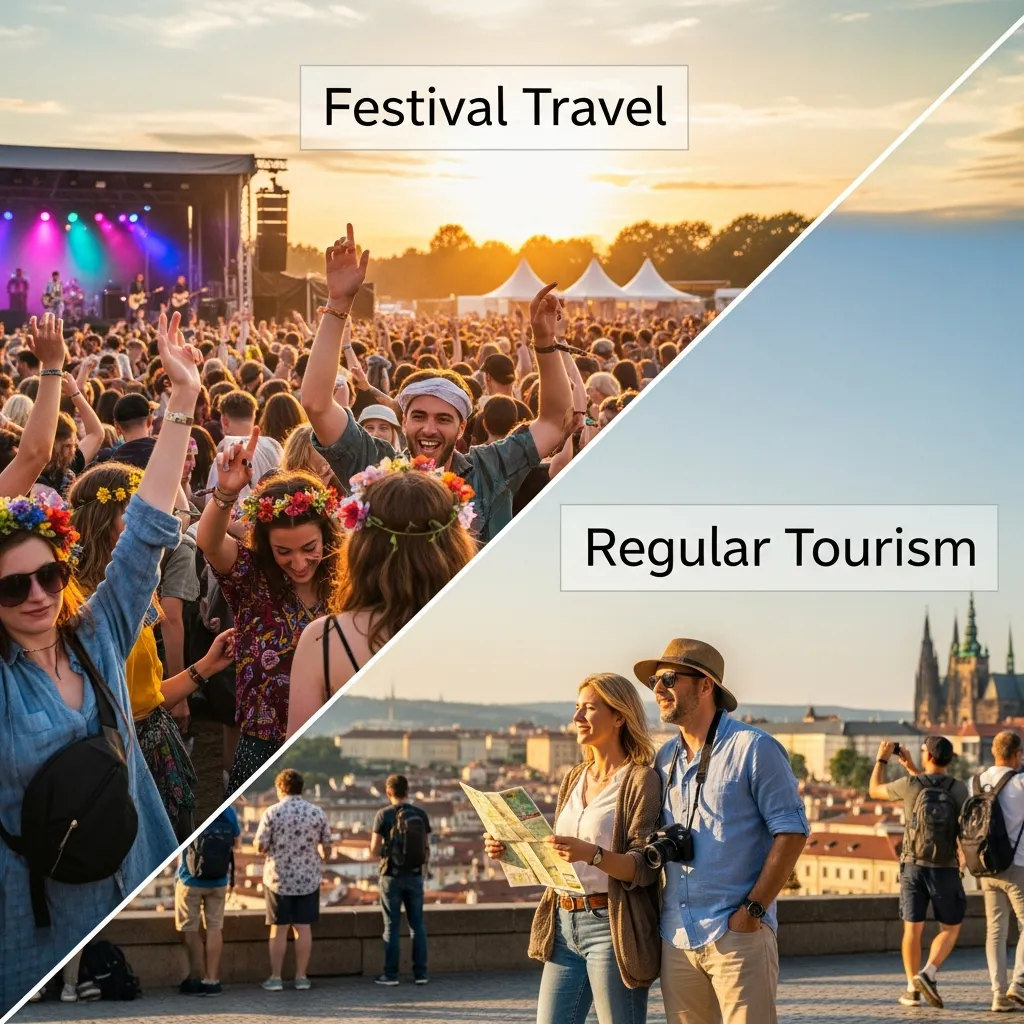
Understanding festival travel vs regular tourism means looking at the practical differences side by side.
Planning and Logistics
Festival travel demands earlier and more intensive planning. Popular festivals sell out months or years in advance. Accommodation near festival sites books quickly and costs significantly more than usual. Transportation to and from rural or temporary festival venues requires research.
Regular tourism offers more flexibility. You can book a flight three weeks out, find hotel availability on arrival apps, and change your plans mid-trip without losing money.
Cost Implications
Festival travel vs regular tourism is a meaningful cost comparison. Festival tickets alone can range from $100 to over $1,000. Add travel, accommodation, food, and merchandise, and a festival trip can cost considerably more than an equivalent regular tourism trip to the same destination.
That said, some festivals—particularly local cultural events and Japanese Seasonal Festivals—are free or low-cost. Tribal Cultural Festivals often charge modest entry fees. Global Green Festivals vary widely in pricing.
Crowd Dynamics
Festivals concentrate thousands of people into small areas. That energy is exhilarating for some travelers and exhausting for others. Regular tourism allows you to sidestep crowds by visiting popular sites during off-peak hours or choosing less-visited destinations entirely.
Accommodation Choices
Regular tourism offers a full spectrum of accommodation—hotels, guesthouses, Airbnbs, hostels. Festival travel often means camping, glamping, or staying far from the venue and commuting. Both have appeal, but the experience is fundamentally different.
Sustainability and Impact
Both travel types carry environmental costs. However, festival travel concentrates impact—large crowds, temporary infrastructure, and high waste generation in a single location. Global Green Festivals actively work to reduce this footprint. Regular tourism spreads impact more broadly but can support local economies more consistently across a destination.
When to Choose Festival Travel
Festival travel vs regular tourism isn’t a permanent choice—it’s a trip-by-trip decision. Here’s when festival travel tends to win:
For the social butterfly: If you thrive on meeting new people and feel energized by crowds, festival travel delivers constant social opportunity. A festival trip solo without stress is entirely realistic with the right preparation.
For the culture enthusiast: Travelers who want to witness living traditions—Tribal Cultural Festivals, Japanese Seasonal Festivals, harvest celebrations—will find festival travel offers access that no standard tour can match.
For those seeking excitement: Unpredictability, spontaneity, and intensity define festival travel. If those qualities energize rather than drain you, festival environments are your natural habitat.
When to Choose Regular Tourism
If you’re comparing festival travel vs regular tourism, regular tourism is often the better choice in the following situations:
For relaxation seekers: If your goal is to unwind without fixed schedules or large crowds, regular tourism offers a slower, more flexible travel experience.
For history enthusiasts: Travelers interested in museums, archaeological sites, and historic neighborhoods usually benefit more from regular tourism, where they can explore at their own pace.
For families and first-time travelers: In the festival travel vs regular tourism comparison, regular tourism is generally easier for families and beginners because it offers predictable itineraries, wider accommodation choices, and fewer logistical challenges.
Festival Travel vs Regular Tourism: Can You Combine Both?
The festival travel vs regular tourism debate doesn’t have to end with choosing one over the other. A hybrid itinerary lets you enjoy the best of both travel styles.
Many travelers plan their trip around a major festival and then spend extra days exploring nearby attractions through regular tourism. For example, experience Japan’s cherry blossom festivals before visiting nearby historic towns, or attend a cultural festival and then continue your journey through scenic villages and national parks.
Combining festival travel and regular tourism creates a balanced itinerary, allowing you to experience exciting local celebrations while still enjoying relaxing sightseeing and cultural exploration.
Adding two or three quiet days after a festival is also a smart strategy. Since festival travel can be physically demanding, recovery days help you enjoy your destination before returning home.
Tips for Getting the Most Out of Festival Travel vs Regular Tourism
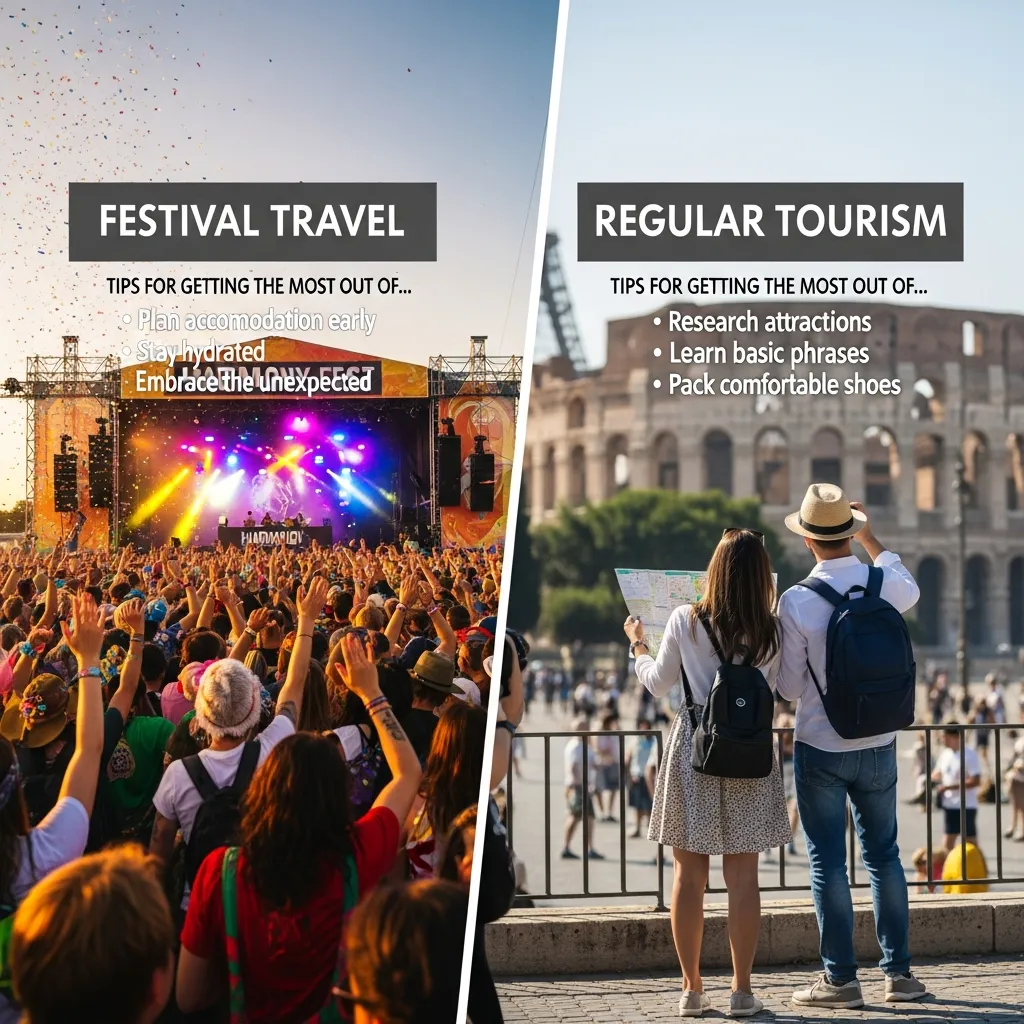
Research Before You Go
Whether you choose festival travel or regular tourism, research is essential. Festival travelers should secure tickets, accommodation, and transportation early, while regular tourists should identify must-see attractions and avoid peak crowds.
Stay Flexible
One important lesson from festival travel vs regular tourism is that flexibility improves every trip. Festival schedules may change unexpectedly, and regular tourism often rewards spontaneous discoveries.
Respect Local Culture
Whether attending cultural festivals or exploring historical destinations, respecting local customs is essential. Learning about dress codes, photography rules, and local traditions enhances both festival travel and regular tourism experiences.
Choose the Right Travel Style
Ultimately, festival travel vs regular tourism depends on your travel goals. If you want unforgettable cultural celebrations and vibrant events, choose festival travel. If you prefer relaxation, sightseeing, and flexibility, regular tourism is likely the better option. Many travelers find that combining both creates the most rewarding travel experience.
Conclusion
Festival travel vs regular tourism comes down to what you want a trip to feel like. Festival travel offers intensity, community, cultural access, and the kind of memories that come from shared extraordinary moments. Regular tourism offers freedom, depth, relaxation, and the space to discover a place on your own terms.
The smartest approach is knowing which one you actually need—not which one sounds more impressive to describe afterward. Take an honest look at your travel personality, your budget, and what you want to feel when you come home. Then plan accordingly.
And if you can’t decide? Build a trip that includes both. The world’s festivals and its quiet corners are equally worth exploring.
Frequently Asked Questions
What is festival travel vs regular tourism?
Festival travel is centered around attending a specific cultural, music, food, or religious event, while regular tourism focuses on exploring a destination without a fixed event. The key difference between festival travel vs regular tourism is that one is event-driven and the other is destination-driven.
Is festival travel more expensive than regular tourism?
In many cases, yes. Festival travel often includes ticket costs, higher accommodation prices, and increased transportation expenses during peak demand. However, planning ahead and choosing free or community festivals can significantly reduce costs.
How can I prepare for a festival trip without stress?
Book your tickets and accommodation early, research the festival schedule, plan transportation, pack essentials, and keep a flexible itinerary. Good preparation makes festival travel much smoother and more enjoyable.
Which is better for cultural experiences: festival travel or regular tourism?
For travelers seeking authentic traditions and local celebrations, festival travel vs regular tourism often favors festival travel because it provides direct access to cultural performances, rituals, and community events.
Can I combine festival travel with regular tourism?
Absolutely. Many travelers attend a festival first and then spend extra days exploring nearby attractions, making it easy to enjoy both festival travel and regular tourism in one trip.
What are the biggest challenges of festival travel?
Large crowds, higher prices, early booking requirements, transportation delays, and limited accommodation are common challenges. Planning ahead helps overcome most festival travel difficulties.
How do I choose the right festival for my trip?
Choose a festival based on your interests, travel budget, preferred season, and destination. Whether you enjoy music, food, cultural traditions, or religious celebrations, there are festival travel options for every traveler.
Is festival travel suitable for solo travelers?
Yes. Many festivals are welcoming to solo travelers and offer opportunities to meet people from around the world. Proper planning and basic safety precautions make solo festival travel both safe and rewarding.
What should I pack for festival travel?
Pack comfortable shoes, weather-appropriate clothing, a portable charger, reusable water bottle, rain gear if needed, and any festival-specific essentials. Packing smart makes your festival experience much more comfortable.
When should I book a festival trip?
For popular events, book flights, accommodation, and festival tickets at least 3–6 months in advance. Early planning helps secure better prices and ensures availability for your festival travel experience.
Is festival travel worth it?
If you enjoy unique cultural experiences, live entertainment, and local traditions, festival travel offers unforgettable memories that regular sightseeing often cannot match. It’s an excellent way to experience a destination through its celebrations.
How can I save money on festival travel?
Book early, travel during shoulder seasons when possible, use public transportation, choose budget accommodation, and attend free local festivals. These strategies make festival travel more affordable without sacrificing the experience.