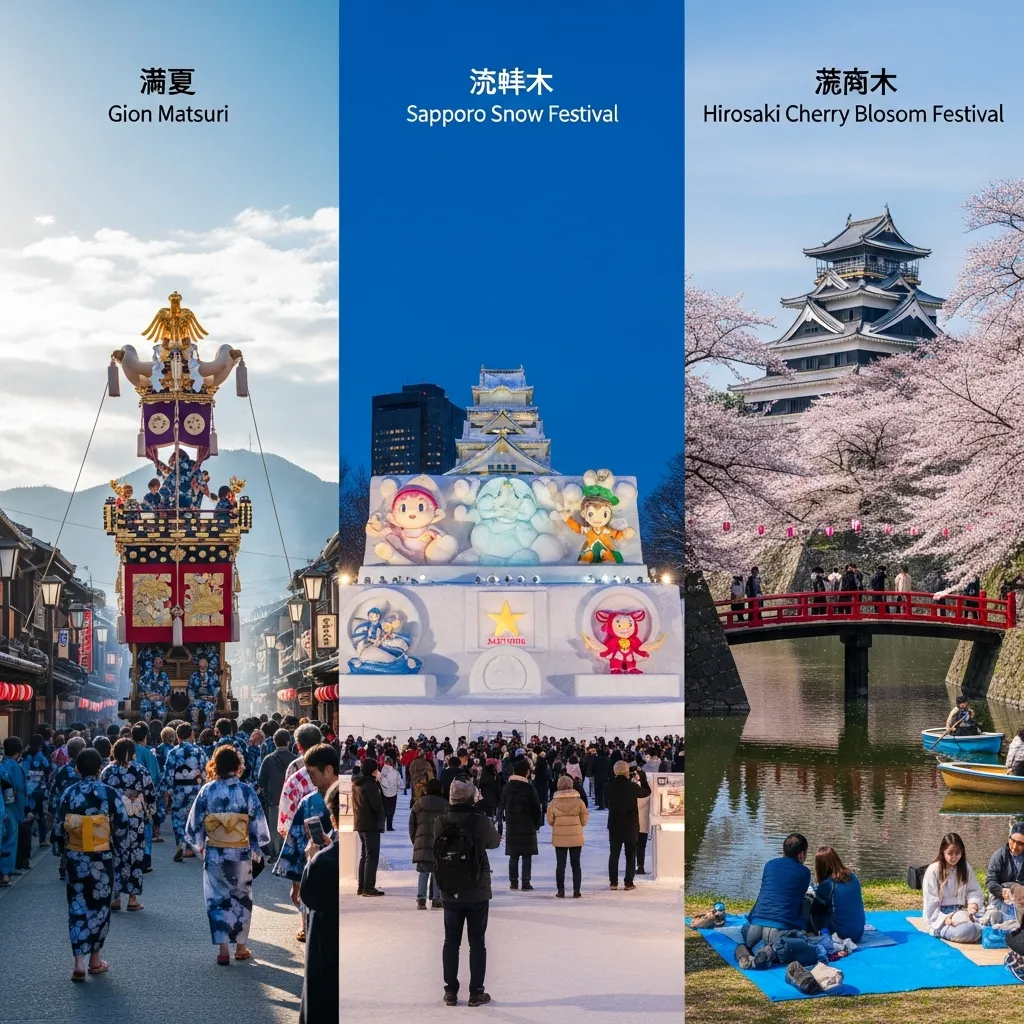
The Japanese Seasonal Festivals You Should Travel For include the Japan Cherry Blossom celebrations in spring, Kyoto’s Gion Matsuri in summer, Takayama Matsuri in autumn, and Sapporo Snow Festival in winter. Each marks a distinct season, blending Religious Festivals, Best Street Festivals, and centuries-old tradition into experiences worth crossing the globe for.
Few countries celebrate the changing seasons quite like Japan. Every shift in weather brings a new wave of color, sound, and ritual—from pink petals drifting over Tokyo parks to towering glowing lanterns parading through northern streets. These celebrations, known as matsuri, are woven into daily life, yet they remain spectacular enough to plan an entire trip around.
This guide covers the Japanese Seasonal Festivals You Should Travel For, organized by season so you can match your visit to the events that excite you most. You’ll learn about iconic Religious Festivals, the country’s Best Street Festivals, and the famous Japan Cherry Blossom season. Along the way, you’ll get practical advice on Finding the Best Time to Travel to Japan, so your trip lines up with the spectacle you came for.
By the end, you’ll know which festivals suit your travel style, when to book, and how to enjoy these events respectfully. Let’s explore the festivals that turn a good trip to Japan into an unforgettable one.
Why are Japanese Seasonal Festivals worth traveling for?
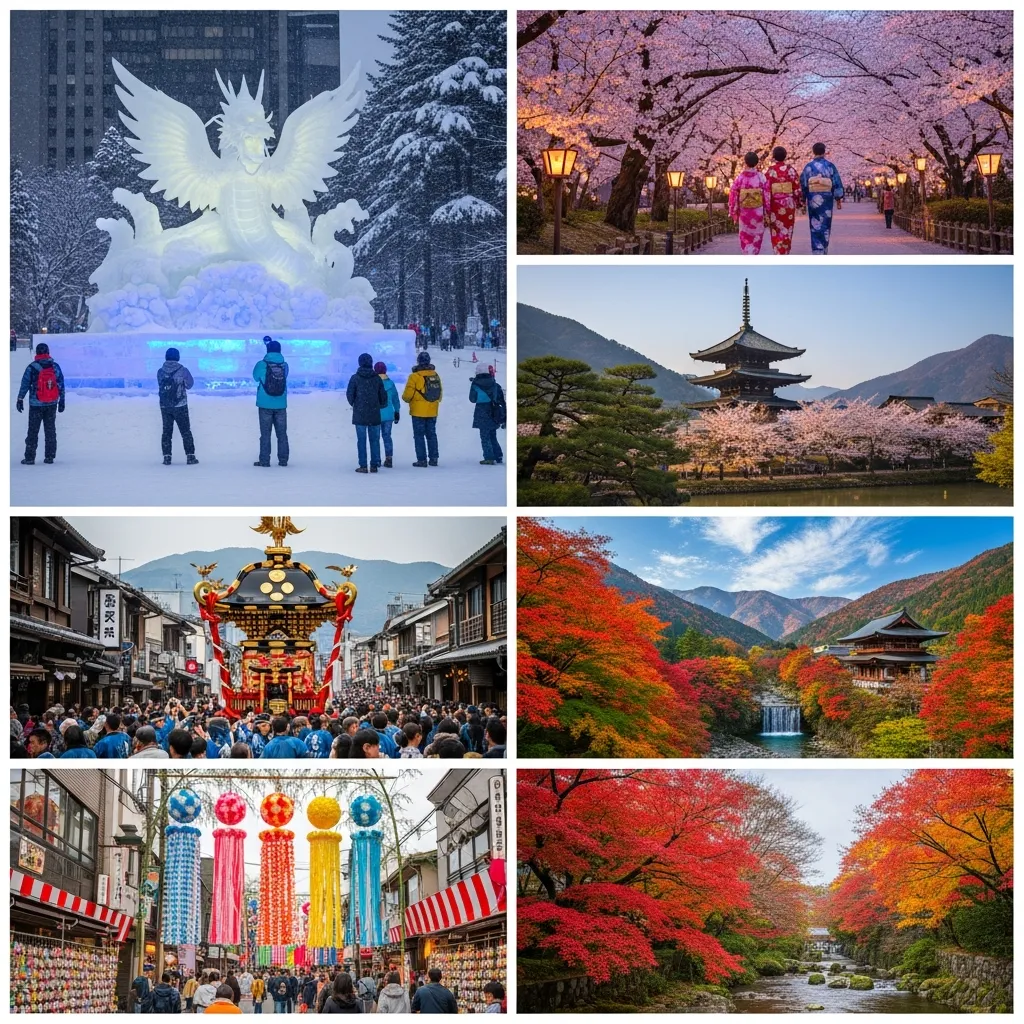
Japanese festivals trace their roots back centuries, often tied to Shinto and Buddhist beliefs. Many began as prayers for good harvests, protection from disease, or gratitude to local deities. Over time, they grew into community-wide events that still carry deep spiritual meaning.
What makes these celebrations special is how closely they follow nature. Spring festivals honor new life and blossoms. Summer events release energy and ward off illness during the hot months. Autumn brings gratitude for the harvest, while winter festivals celebrate light and endurance through the cold. This rhythm explains why the Japanese Seasonal Festivals You Should Travel For are scattered across the entire calendar—there’s never a wrong time to visit, only different things to see.
For travelers, festivals offer a rare window into local culture. You’ll see traditional clothing, taste regional street food, and watch rituals performed exactly as they have been for generations. These are the moments that make Japan feel timeless.
Spring Festivals: A bloom of celebration
Spring is arguably the most beloved season for visitors, and it’s home to some of the Japanese Seasonal Festivals You Should Travel For.
Japan Cherry Blossom (Sakura Matsuri)
The Japan Cherry Blossom season is the country’s most famous natural spectacle. When the sakura bloom, parks fill with people practicing hanami—the art of flower viewing. Families, friends, and coworkers spread out picnic blankets beneath the trees, sharing food and drink while admiring the delicate pink petals overhead.
Some of the best viewing spots include Ueno Park and Shinjuku Gyoen in Tokyo, the Philosopher’s Path in Kyoto, and Hirosaki Park in Aomori. Many locations host evening illuminations called yozakura, where lit-up blossoms create a dreamy nighttime scene.
Finding the Best Time to Travel to Japan for cherry blossoms takes a bit of planning. Blooms typically begin in late March in southern regions like Kyushu and reach northern Hokkaido by early May. Tokyo and Kyoto usually peak between late March and early April. Because the exact timing shifts each year with the weather, check the annual cherry blossom forecast before booking, and build a few flexible days into your itinerary.
Kanda Matsuri (Tokyo)
Kanda Matsuri is one of Tokyo’s three great Religious Festivals, held in mid-May during odd-numbered years. Centered on Kanda Myojin Shrine, it celebrates prosperity and good fortune.
The highlight is a grand procession of mikoshi—portable shrines carried through the streets by teams of locals in traditional dress. The energy is electric as hundreds of participants chant and parade through central Tokyo. It’s a vivid reminder that Religious Festivals remain a living part of the modern city.
Summer Festivals: Vibrant energy and spectacle
Summer in Japan is hot and humid, but the season’s festivals more than make up for the heat. These are some of the Best Street Festivals you’ll find anywhere.
Gion Matsuri (Kyoto)
Gion Matsuri is Japan’s most famous street festival, running throughout July. Dating back over 1,100 years, it started as a purification ritual to ward off plague.
The centerpiece is the Yamaboko Junko, a grand procession of massive wooden floats called yamaboko. Some tower more than 25 meters tall and weigh several tons, pulled through Kyoto’s streets by teams of dozens. In the evenings leading up to the parade, the city closes its central streets, and locals open their homes to display family heirlooms. Lantern-lit stalls sell street food, and the atmosphere is unforgettable—easily earning Gion Matsuri its place among the Best Street Festivals in the country.
Tenjin Matsuri (Osaka)
Held in late July, Tenjin Matsuri honors Sugawara no Michizane, the deity of learning and scholarship. As one of Osaka’s major Religious Festivals, it draws huge crowds.
What sets it apart is the river procession. Boats glide along the Okawa River carrying participants in period costume, while a spectacular fireworks display lights up the night sky. The combination of water, fire, and tradition makes it one of summer’s most striking events.
Aomori Nebuta Matsuri
Held in early August, Aomori Nebuta Matsuri is famous for its enormous illuminated lantern floats. These nebuta depict gods, warriors, and mythical figures, painted in bold colors and lit from within.
Dancers called haneto leap and chant alongside the floats, and visitors are welcome to join in—you can even rent a costume and dance through the streets. This spirit of participation makes it a prime example of the Best Street Festivals, where spectators become part of the show.
Autumn Festivals: Harvest and reflection
As the heat fades, autumn brings cooler air and a more contemplative mood. Its festivals celebrate craftsmanship and history.
Takayama Matsuri (Gifu)
Held in spring and autumn, Takayama Matsuri is renowned for its intricately decorated floats. The autumn edition takes place in October in the mountain town of Takayama.
These floats feature karakuri—mechanical dolls that perform clever movements to delight the crowd. The craftsmanship is so exceptional that the festival is recognized as a UNESCO Intangible Cultural Heritage. The autumn colors framing the old town add to the charm.
Jidai Matsuri (Kyoto)
Jidai Matsuri, or the “Festival of the Ages,” takes place in Kyoto each October. It’s one of the city’s significant Religious Festivals, connected to Heian Shrine.
The main event is a massive parade featuring costumes from every major period of Japanese history, spanning more than a thousand years. Participants dress as samurai, court nobles, and historical figures, creating a living timeline of Japanese culture. For history lovers, it’s a dream come true.
Winter Festivals: Light, snow, and tradition
Winter doesn’t slow Japan down. In the colder months, festivals turn snow and fire into unforgettable displays.
Sapporo Snow Festival (Hokkaido)
The Sapporo Snow Festival, held in early February, is one of the Japanese Seasonal Festivals You Should Travel For if you love winter wonder. Each year, artists build enormous snow and ice sculptures—some as large as buildings—throughout Odori Park.
The festival has grown into an international event, with teams from around the world competing to create the most impressive works. At night, the sculptures are illuminated, transforming the city into a glittering gallery of ice.
Hadaka Matsuri (Okayama)
Hadaka Matsuri, often called the “Naked Festival,” is one of Japan’s most unusual Religious Festivals. Held in February at Saidaiji Temple, it sees thousands of men wearing only loincloths compete to grab sacred talismans thrown into the crowd.
The chilly conditions and intense scramble are believed to bring purification and good luck for the year ahead. It’s a powerful display of devotion and endurance that few visitors ever forget.
How do you find the best time to travel to Japan for festivals?
Finding the Best Time to Travel to Japan depends on which festivals top your list, but a few practical tips apply across the board.
Think beyond the festivals themselves. Spring and autumn offer mild weather and stunning scenery, making them ideal for sightseeing between events. Summer is festival-packed but hot and humid, while winter rewards travelers with snow festivals and fewer crowds in some regions.
Major festivals draw enormous crowds. To navigate them, arrive early to secure good viewing spots, stay hydrated during summer events, and be patient with public transport, which gets busy. Booking accommodation well in advance is essential—popular festival cities like Kyoto and Sapporo fill up months ahead. Reserve hotels and reserved-seat trains, such as the Shinkansen, as early as you can to lock in better prices and availability.
What are some lesser-known festivals worth discovering?
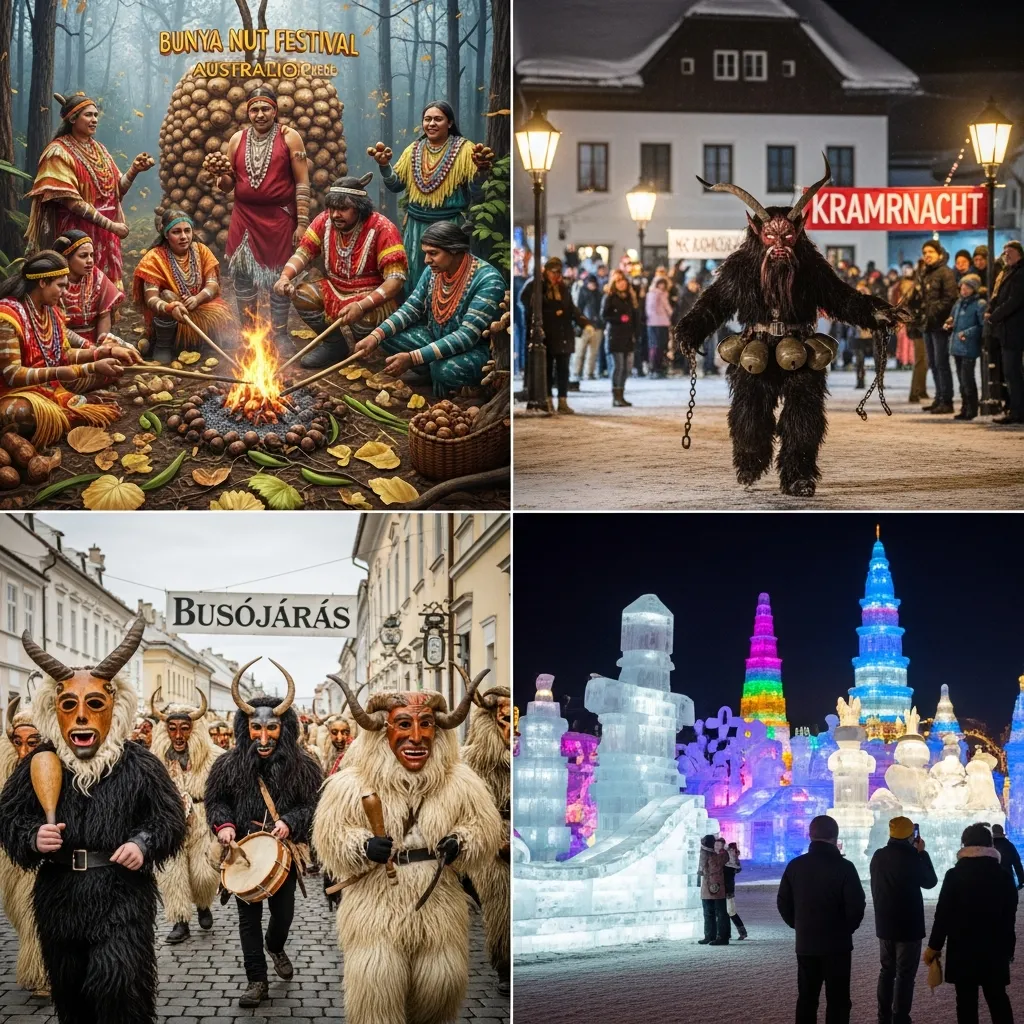
The headline events are spectacular, but smaller celebrations can be just as rewarding. Across rural Japan, countless local Religious Festivals honor regional deities with rituals you won’t see in guidebooks.
Seek out community matsuri in smaller towns, where you’ll often find some of the Best Street Festivals with a fraction of the crowds. Local tourism offices, regional websites, and even your accommodation hosts can point you toward authentic events happening during your visit. These hidden gems often deliver the warmest welcome and the most genuine cultural connection.
Final thoughts on experiencing Japan’s festival magic
The Japanese Seasonal Festivals You Should Travel For offer far more than photo opportunities. They invite you into living traditions—rituals shaped by centuries of belief, community, and respect for the natural world. From the soft petals of the Japan Cherry Blossom season to the towering ice sculptures of Sapporo, each festival captures the spirit of its season.
Whether you’re drawn to sacred Religious Festivals, energetic Best Street Festivals, or quiet moments under blooming trees, Japan has a celebration waiting for you. Start by choosing the season that excites you most, then build your trip around it. Plan early, travel respectfully, and let Japan’s enduring cultural heritage turn your journey into something truly memorable.
Frequently Asked Questions
What are the most famous Japanese Seasonal Festivals You Should Travel For?
Some of the most famous Japanese Seasonal Festivals include the Japan Cherry Blossom celebrations in spring, Gion Matsuri in Kyoto and Aomori Nebuta Matsuri in summer, Takayama Matsuri in autumn, and the Sapporo Snow Festival in winter. These Japanese Seasonal Festivals showcase the unique traditions and beauty of every season.
When is the best time to travel to Japan for cherry blossoms?
One of the most popular periods for experiencing Japanese Seasonal Festivals is cherry blossom season. Blossoms usually appear from late March to early April in Tokyo and Kyoto, while northern regions experience them later. Many travelers plan their trips around these iconic Japanese Seasonal Festivals.
Are there any specific Religious Festivals recommended for tourists?
Yes. Many Japanese Seasonal Festivals have religious roots and offer unforgettable cultural experiences. Kanda Matsuri, Tenjin Matsuri, and Jidai Matsuri are among the most celebrated Japanese Seasonal Festivals for visitors interested in history and tradition.
What are some examples of the Best Street Festivals in Japan?
Several Japanese Seasonal Festivals are famous street celebrations, including Gion Matsuri and Aomori Nebuta Matsuri. These vibrant Japanese Seasonal Festivals feature colorful floats, traditional performances, and lively food stalls.
How early should I book my trip to attend a major festival?
Because many Japanese Seasonal Festivals attract large crowds, it is wise to book accommodations three to six months in advance. For peak Japanese Seasonal Festivals such as cherry blossom season and the Sapporo Snow Festival, even earlier reservations are recommended.
What should I wear when attending a Japanese festival?
When attending Japanese Seasonal Festivals, wear comfortable clothing and walking shoes. During summer Japanese Seasonal Festivals, many visitors enjoy wearing a yukata, while winter festivals require warm layers and cold-weather gear.
Are Japanese festivals suitable for families with children?
Absolutely. Many Japanese Seasonal Festivals are family-friendly and offer activities suitable for all ages. Cherry blossom events, snow festivals, and traditional parades are among the best Japanese Seasonal Festivals for families.
How can I find information about local festivals?
To discover upcoming Japanese Seasonal Festivals, check regional tourism websites, local tourist offices, and travel guides. These resources provide schedules, locations, and helpful tips for enjoying Japanese Seasonal Festivals throughout Japan.
What etiquette should I follow at a Japanese festival?
Respectful behavior is important when attending Japanese Seasonal Festivals. Follow local customs, dispose of trash properly, avoid blocking festival routes, and be mindful when taking photographs during Japanese Seasonal Festivals.
Are festivals very crowded, and how do I handle the crowds?
Many popular Japanese Seasonal Festivals attract thousands of visitors. Arriving early, planning transportation in advance, and staying hydrated can help you enjoy crowded Japanese Seasonal Festivals more comfortably.
Can I participate in any festivals, or are they only for watching?
Some Japanese Seasonal Festivals encourage visitor participation. For example, Aomori Nebuta Matsuri allows guests to join the dancing, while many community-based Japanese Seasonal Festivals welcome travelers to take part in local traditions.
Which season is best overall for a first-time festival trip?
For first-time visitors, spring is often considered the best season for experiencing Japanese Seasonal Festivals because of the famous cherry blossoms and pleasant weather. However, summer offers the largest variety of Japanese Seasonal Festivals, making it another excellent choice.