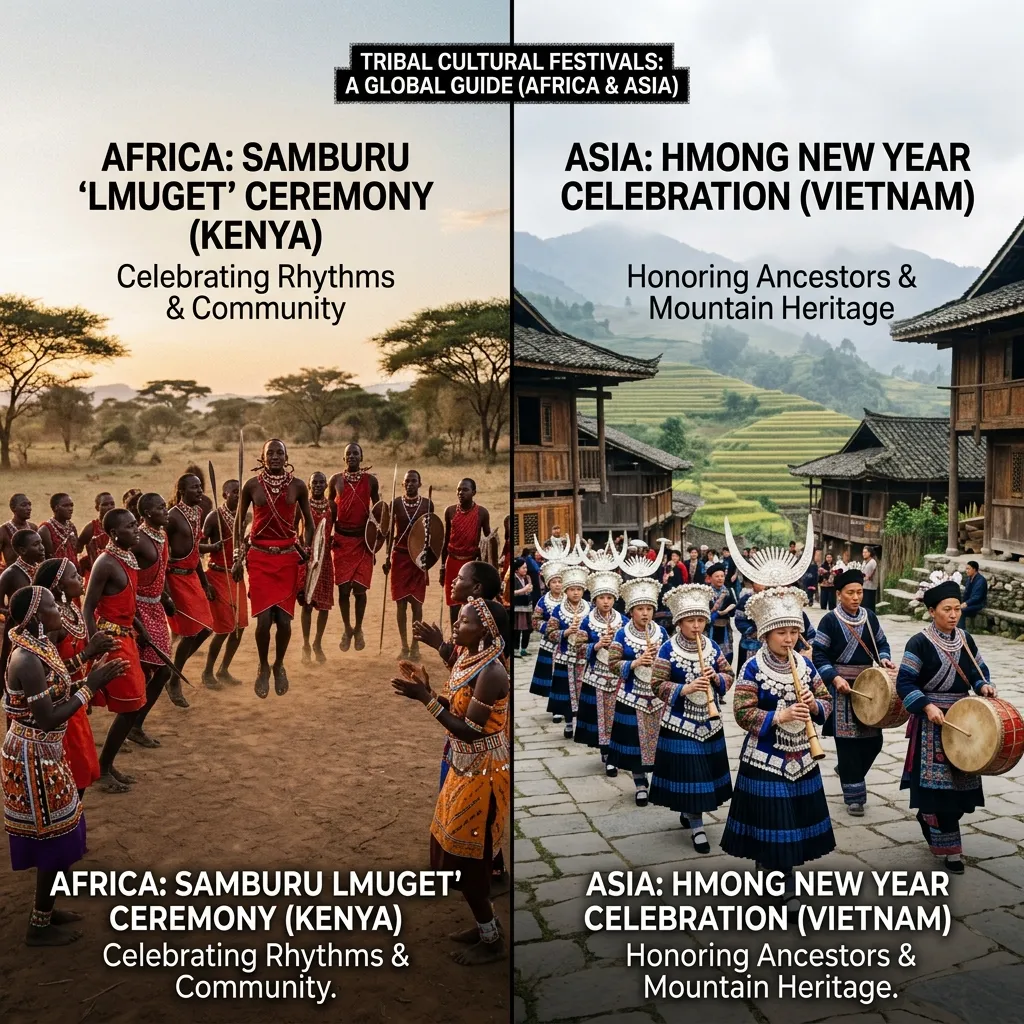
Tribal Cultural Festivals in Africa and Asia are community celebrations rooted in spirituality, harvest cycles, ancestral veneration, and rites of passage. From Ethiopia’s Timkat to Nagaland’s Hornbill Festival, these gatherings preserve indigenous heritage, strengthen community identity, and offer travelers a window into living traditions that have endured for centuries.
Few experiences rival the color, sound, and meaning of a tribal festival in full swing. Drums echo across valleys, dancers move in painted costumes, and entire communities gather to honor traditions passed down through generations. These celebrations are not staged for tourists—they are living expressions of identity that have survived colonization, modernization, and globalization.
This guide explores Tribal Cultural Festivals in Africa and Asia, two continents home to some of the world’s richest indigenous cultures. You’ll learn the history behind each celebration, the rituals that define them, and why they matter for the communities that hold them dear.
By the end, you’ll understand what sets these gatherings apart from events like Viking and Medieval Festivals, and you’ll have practical tips for experiencing them respectfully. Whether you’re a curious traveler or a student of culture, this resource offers a deep look at some of the most extraordinary Indigenous Festivals Around the World.
Preserving indigenous heritage has never been more urgent. As younger generations move to cities and ancient languages fade, these festivals serve as anchors—keeping stories, songs, and skills alive for the future.
What Are Tribal Cultural Festivals?
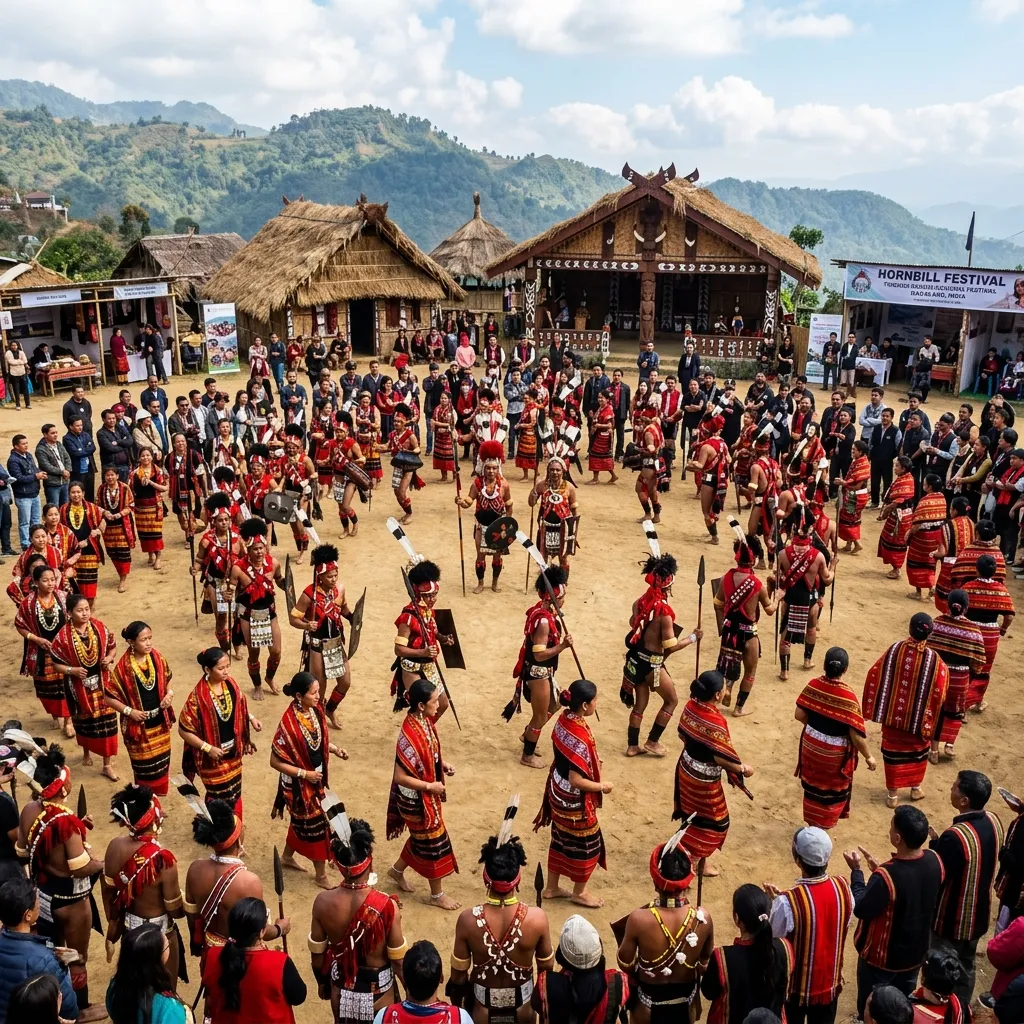
Tribal cultural festivals are organized celebrations held by indigenous communities to mark significant events in their spiritual, agricultural, or social calendars. Unlike commercial events, they grow directly from a community’s beliefs and way of life.
Most share a few common threads:
- Spirituality: Many festivals honor deities, spirits, or natural forces believed to influence daily life.
- Harvest cycles: Agricultural communities celebrate planting and reaping seasons with feasts and rituals.
- Rites of passage: Ceremonies often mark the transition from childhood to adulthood.
- Ancestral veneration: Honoring those who came before is a recurring theme across continents.
These gatherings do more than entertain. They reinforce community cohesion, transmit knowledge between generations, and affirm a shared identity. A young person learning a traditional dance is also learning history, values, and belonging.
How do tribal festivals differ from other historical celebrations?
It helps to compare them with other event types. Viking and Medieval Festivals, popular across Europe, are largely reenactments—modern people recreating a past era for education and entertainment. They celebrate history rather than continue it.
By contrast, many Tribal Cultural Festivals in Africa and Asia are Ancient Festivals Still Celebrated Today by the very descendants of those who began them. The traditions are unbroken, not revived. This continuity gives them a depth that reenactments cannot replicate.
Tribal Cultural Festivals in Africa
Africa’s enormous cultural diversity—over 3,000 distinct ethnic groups—produces an astonishing range of celebrations. Here are four standouts.
Ethiopia: The Timkat Festival
Timkat is Ethiopia’s celebration of Epiphany, commemorating the baptism of Jesus in the Jordan River. Observed by the Ethiopian Orthodox Tewahedo Church, it usually falls in mid-January and ranks among the country’s most important religious events.
The festival’s centerpiece is the procession of the Tabot, a replica of the Ark of the Covenant carried by priests under richly embroidered umbrellas. Worshippers dressed in white follow the Tabot to a body of water, where a mass baptismal ceremony renews their faith the next morning.
Color, chanting, and drumming fill the streets for days. Timkat draws entire communities together, blending deep spiritual meaning with vibrant public celebration.
Ghana: The Homowo Festival
Homowo, celebrated by the Ga people of Ghana, translates roughly to “hooting at hunger.” Its origins trace back to a severe famine that once struck the Ga ancestors. After surviving the crisis through a bountiful harvest, they created a festival to mock the hunger that had nearly destroyed them.
A key ritual involves sprinkling kpokpoi, a traditional dish made from cornmeal and palm soup, to honor ancestors and ensure future abundance. Drumming, traditional dances, and family reunions mark the celebration.
Homowo carries a powerful message of renewal and thanksgiving. It reminds participants of their resilience and the importance of community in overcoming hardship.
Mali: The Festival au Désert
The Festival au Désert once gathered travelers and Tuareg communities in the sands near Timbuktu. Rooted in traditional Tuareg meetings where news was shared and disputes settled, the festival grew into a celebrated showcase of Saharan music and culture.
Visitors experienced soulful desert blues, camel races, dance, and traditional crafts under open skies. The event brought global attention to Tuareg artistry.
Sadly, regional instability forced the festival into exile after 2012. Its story highlights the real challenges many indigenous celebrations face when security and politics intervene.
South Africa and Eswatini: The Reed Dance (Umhlanga)
The Umhlanga, or Reed Dance, is celebrated by the Zulu and Swazi peoples. Thousands of young women gather to cut reeds, present them to the royal household, and perform traditional dances honoring purity, respect, and cultural pride.
The ceremony promotes solidarity among participants and pride in tradition. It remains one of southern Africa’s most visually striking events, with rows of dancers in colorful beaded attire.
The festival has drawn modern debate over its customs, yet it endures as a meaningful expression of identity for many communities.
Other notable African celebrations
Africa offers far more, including Nigeria’s Osun-Osogbo festival honoring a river goddess, and the Gerewol courtship gathering of the Wodaabe people in Niger, where men adorn themselves to compete for admiration.
Tribal Cultural Festivals in Asia
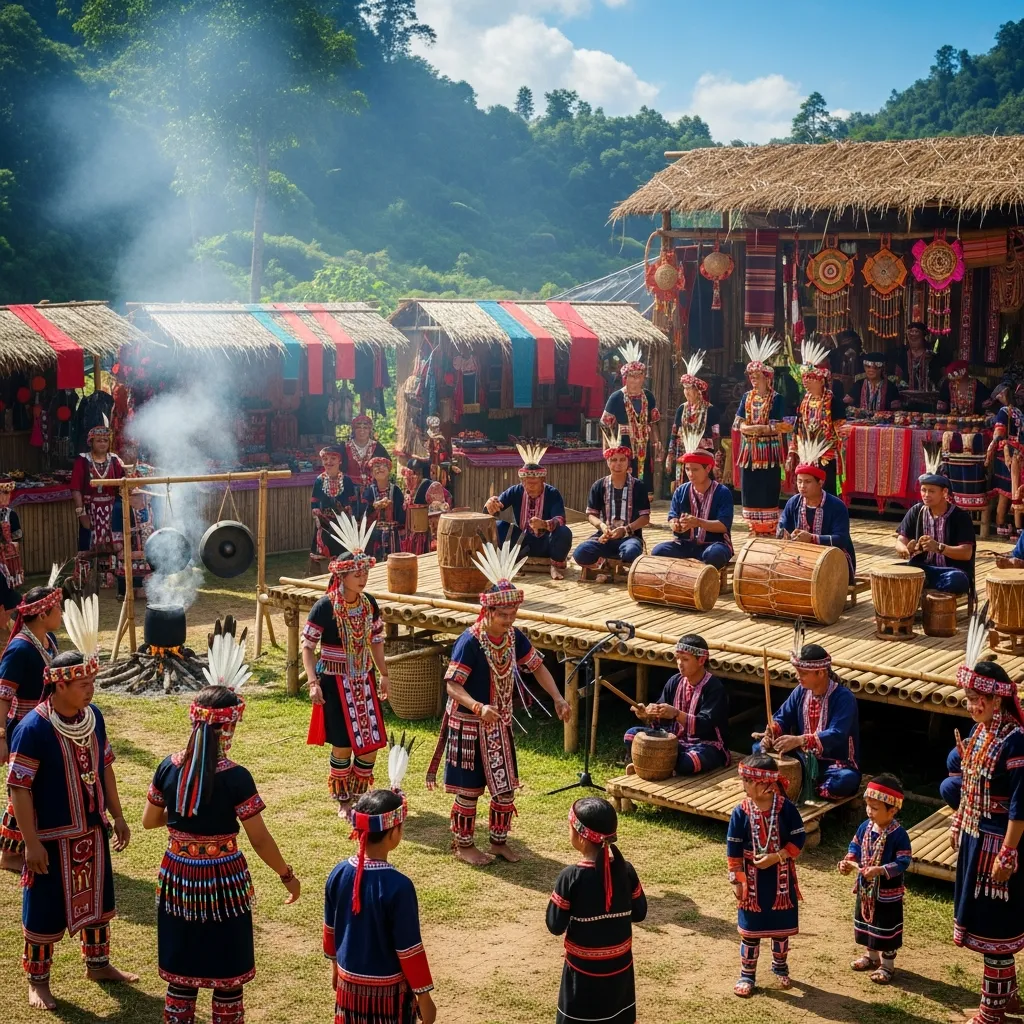
Asia’s tribal celebrations span misty highlands, dense jungles, and open steppes. Each reflects a unique relationship between people and place.
India: The Hornbill Festival, Nagaland
Held every December in Nagaland, the Hornbill Festival celebrates the heritage of the state’s many Naga tribes. Named after the hornbill bird, which features prominently in Naga folklore, it has become one of India’s premier cultural events.
Visitors witness traditional performances, war dances, indigenous games, craft displays, and a rich array of tribal cuisine. Each tribe showcases its distinct customs, attire, and music.
The festival plays a vital role in promoting inter-tribal harmony and drawing respectful tourism to the region. It gives younger Nagas a stage to celebrate and preserve their roots.
Indonesia: The Baliem Valley Cultural Festival
Deep in the highlands of Papua, the Baliem Valley Cultural Festival brings together the Dani, Lani, and Yali tribes. The event centers on dramatic mock battles that reenact traditional warfare, performed with spears, shields, and fierce energy.
Participants wear traditional attire, including feathered headdresses and body adornments. The staged conflicts are not about violence but about preserving the skills, strategy, and unity that once defined tribal life.
This festival keeps ancient customs visible in a rapidly modernizing world, helping the Dani and other tribes pass their heritage to the next generation.
Philippines: The Kadayawan Festival, Davao
Kadayawan, held each August in Davao City, celebrates a bountiful harvest and the indigenous cultures of Mindanao. The name comes from a Mandaya word meaning “valuable” or “good.”
The streets fill with floral floats, energetic street dancing, and competitions showcasing the region’s eleven tribes. Fruit, flowers, and craftsmanship take center stage in a joyful display of gratitude.
Kadayawan symbolizes unity and abundance, honoring both the land’s generosity and the indigenous communities who have stewarded it for centuries.
Mongolia: The Naadam Festival
Naadam is Mongolia’s most famous celebration, with deep roots in the nomadic and tribal traditions of the steppe. Held each July, it centers on the “three manly games”: wrestling, horse racing, and archery.
These contests trace back to the era of warrior clans, when such skills were essential for survival and military strength. Today, Naadam blends national pride with ancient tribal heritage.
Colorful ceremonies, traditional dress, and centuries-old customs make Naadam a powerful link to Mongolia’s past. UNESCO recognizes it as part of humanity’s intangible cultural heritage.
How to Experience These Festivals Responsibly
Attending a tribal festival is a privilege, not a right. A few principles make a real difference:
- Research dates early. Many festivals follow lunar or seasonal calendars, so dates shift year to year. Tools like a Google Flights Price Tracker can help you lock in affordable fares once you confirm the dates.
- Ask before photographing. Some rituals are sacred and not meant for cameras.
- Support local economies. Buy crafts directly from artisans and hire local guides.
- Dress and behave respectfully. Learn the customs before you arrive.
Approaching these celebrations with humility honors the communities that share them.
Why These Festivals Matter
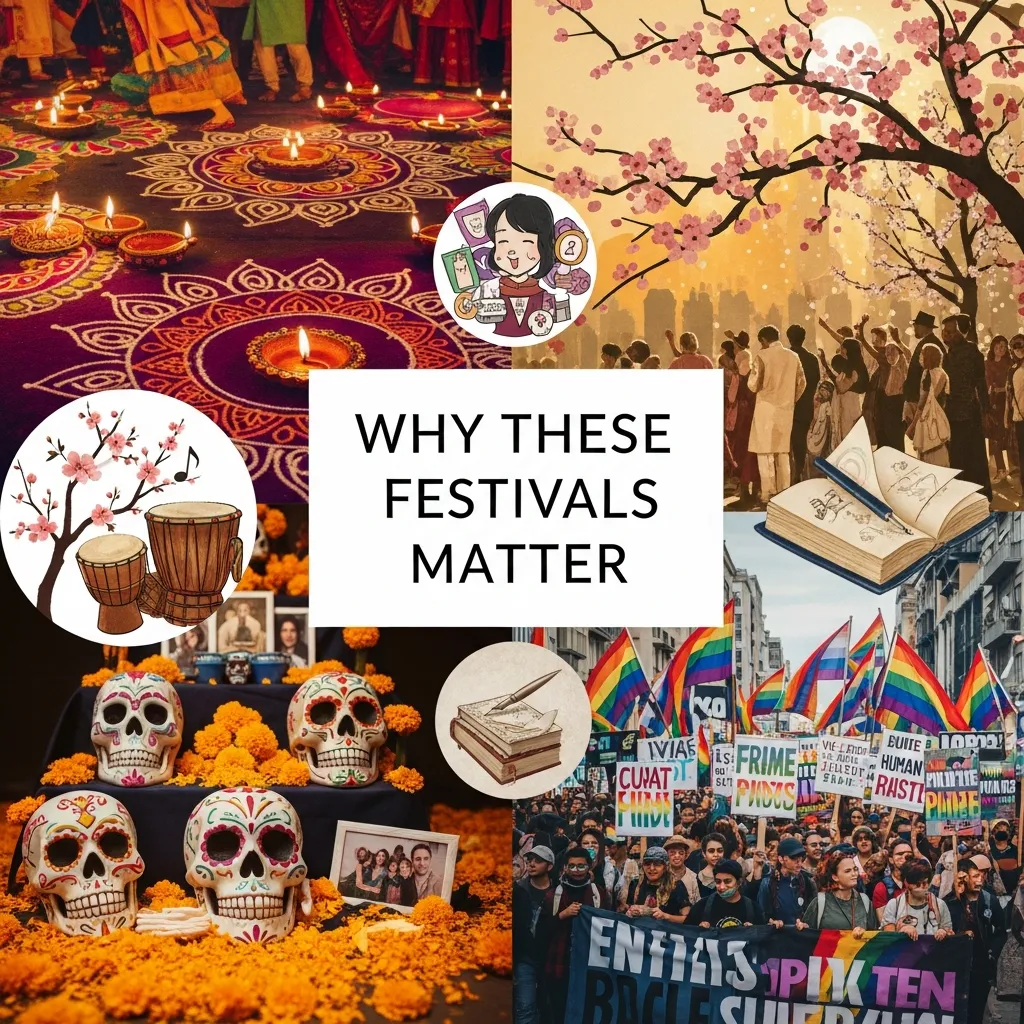
Tribal Cultural Festivals in Africa and Asia are far more than spectacles. They are living libraries of human knowledge, holding languages, beliefs, music, and skills that no museum can fully capture.
As globalization spreads, these celebrations face mounting pressure. Yet they endure—adapting where needed while protecting their core meaning. Each drumbeat, dance, and ritual keeps a culture alive for one more generation.
If you want to witness genuine human heritage, look beyond reenactments and commercial events. Seek out the authentic Indigenous Festivals Around the World, plan your visit thoughtfully, and travel with respect. In doing so, you become part of the effort to keep these extraordinary traditions thriving.
Start by choosing one festival that speaks to you. Learn its story, mark its date, and consider what it would mean to witness it firsthand.
Frequently Asked Questions
What are Tribal Cultural Festivals in Africa and Asia?
Tribal Cultural Festivals in Africa and Asia are traditional community celebrations practiced by indigenous groups to honor spiritual beliefs, harvest seasons, ancestral worship, and important life events. These Tribal Cultural Festivals in Africa and Asia are deeply rooted in identity and heritage. Examples of Tribal Cultural Festivals in Africa and Asia include Ethiopia’s Timkat, Ghana’s Homowo, and India’s Hornbill Festival.
How are tribal festivals different from Viking and Medieval Festivals?
Unlike reenactments, Tribal Cultural Festivals in Africa and Asia are living traditions passed down through generations. Viking and Medieval festivals recreate history, while Tribal Cultural Festivals in Africa and Asia are still actively practiced by descendants of the original communities.
Are these ancient festivals still celebrated today?
Yes, many Tribal Cultural Festivals in Africa and Asia are still celebrated today with unbroken traditions. Festivals like Timkat in Ethiopia and Naadam in Mongolia are strong examples of Tribal Cultural Festivals in Africa and Asia that continue to thrive.
When is the best time to visit these festivals?
The timing of Tribal Cultural Festivals in Africa and Asia varies by region and calendar. Timkat is in January, Naadam in July, Kadayawan in August, and Hornbill Festival in December. Always check updated schedules before planning your trip.
How can I find affordable flights to attend?
To attend Tribal Cultural Festivals in Africa and Asia, confirm festival dates first, then use tools like price trackers and flexible date searches to find cheaper flights. Early booking is especially helpful.
Are tourists welcome at tribal festivals?
Many Tribal Cultural Festivals in Africa and Asia welcome visitors, but respect is essential. Some rituals may be sacred, so always follow local customs and guidance.
What should I wear to a tribal festival?
When attending Tribal Cultural Festivals in Africa and Asia, dress modestly and appropriately for the culture and climate. Respectful clothing helps you blend in and show cultural sensitivity.
Is it okay to take photographs?
Photography rules vary across Tribal Cultural Festivals in Africa and Asia. Always ask permission before taking photos, especially during sacred ceremonies or of individuals.
Which African tribal festival is best for first-time visitors?
Ethiopia’s Timkat is one of the most recommended Tribal Cultural Festivals in Africa and Asia for beginners due to its accessibility and strong cultural experience.
Which Asian tribal festival is most spectacular?
The Hornbill Festival in Nagaland is among the most popular Tribal Cultural Festivals in Africa and Asia, known for its vibrant performances and cultural diversity.
How do these festivals help preserve indigenous heritage?
Tribal Cultural Festivals in Africa and Asia play a key role in preserving languages, traditions, music, and rituals, helping indigenous communities maintain their cultural identity.
Where can I learn more about Indigenous festivals worldwide?
You can explore global tourism boards, UNESCO heritage listings, and cultural guides to discover more Tribal Cultural Festivals in Africa and Asia and other Indigenous celebrations.