Indigenous festivals around the world are living celebrations of culture, spirituality, and history. From North America’s powwows to Peru’s Inti Raymi, these events offer travelers a rare opportunity to witness ancient traditions firsthand—provided they approach them with curiosity and deep respect.
Every year, millions of people travel not just for scenery, but for meaning. They want to stand inside something real—a ceremony that has been practiced for centuries, a dance that tells the story of an entire people, a night lit by firelight and filled with ancient song. Indigenous festivals around the world offer exactly that.
These gatherings are far more than tourist attractions. They are the living heartbeat of communities whose traditions, languages, and spiritual practices have survived colonization, modernization, and forced displacement. Attending one—done thoughtfully—can be one of the most powerful travel experiences a person can have.
This guide covers the most significant indigenous festivals around the world, organized by region, along with practical tips on how to attend responsibly, where to find event tickets online, and what the future holds for these irreplaceable cultural events.
The Diversity and Importance of Indigenous Festivals Around the World
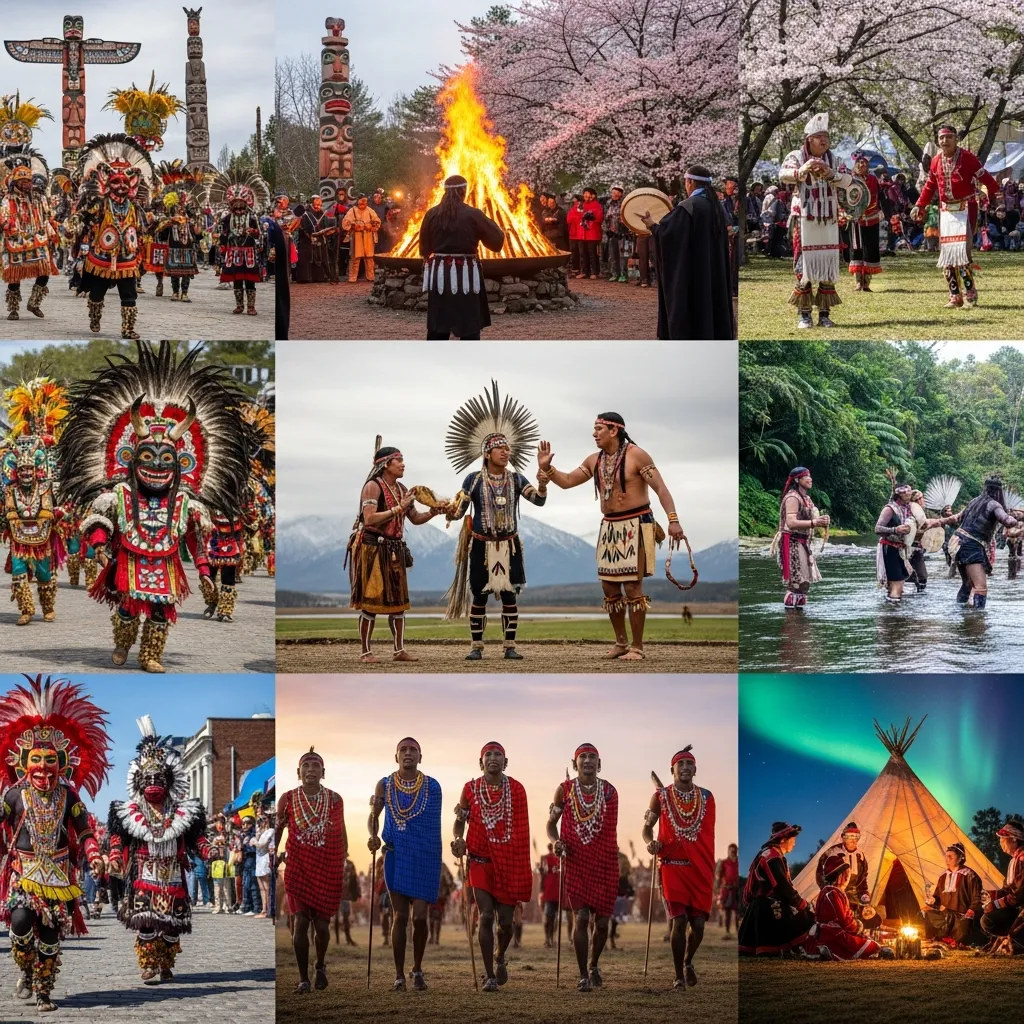
Indigenous festivals around the world span every continent and represent thousands of distinct cultures. They celebrate harvests, ancestors, seasons, and the sacred relationship between humans and nature. Some are solemn religious festivals centered on prayer and ritual. Others burst with color, music, and communal joy. Many are both. What unites them is their role in keeping indigenous identity alive—generation after generation.
What Defines Indigenous Festivals Around the World?
Not every cultural celebration qualifies as an indigenous festival. These events are specifically tied to the traditions of a people who have a deep ancestral connection to a particular land—communities that predate colonial borders and continue to maintain their own spiritual, social, and artistic practices.
What themes run through most indigenous festivals globally?
While every community is unique, several themes surface repeatedly across indigenous festivals around the world:
- Spirituality: Many festivals mark sacred transitions—seasonal changes, rites of passage, or communication with ancestors.
- Harvest and land: Gratitude for the earth’s abundance appears in nearly every indigenous culture’s ceremonial calendar.
- Community and identity: These events reinforce social bonds, transmit knowledge to younger generations, and affirm collective identity.
- Music, dance, and attire: Traditional songs, instruments, dances, and clothing are not decorative additions—they are the ceremony itself, each carrying encoded cultural meaning.
North America’s Vibrant Indigenous Gatherings
What are the most significant indigenous festivals in North America?
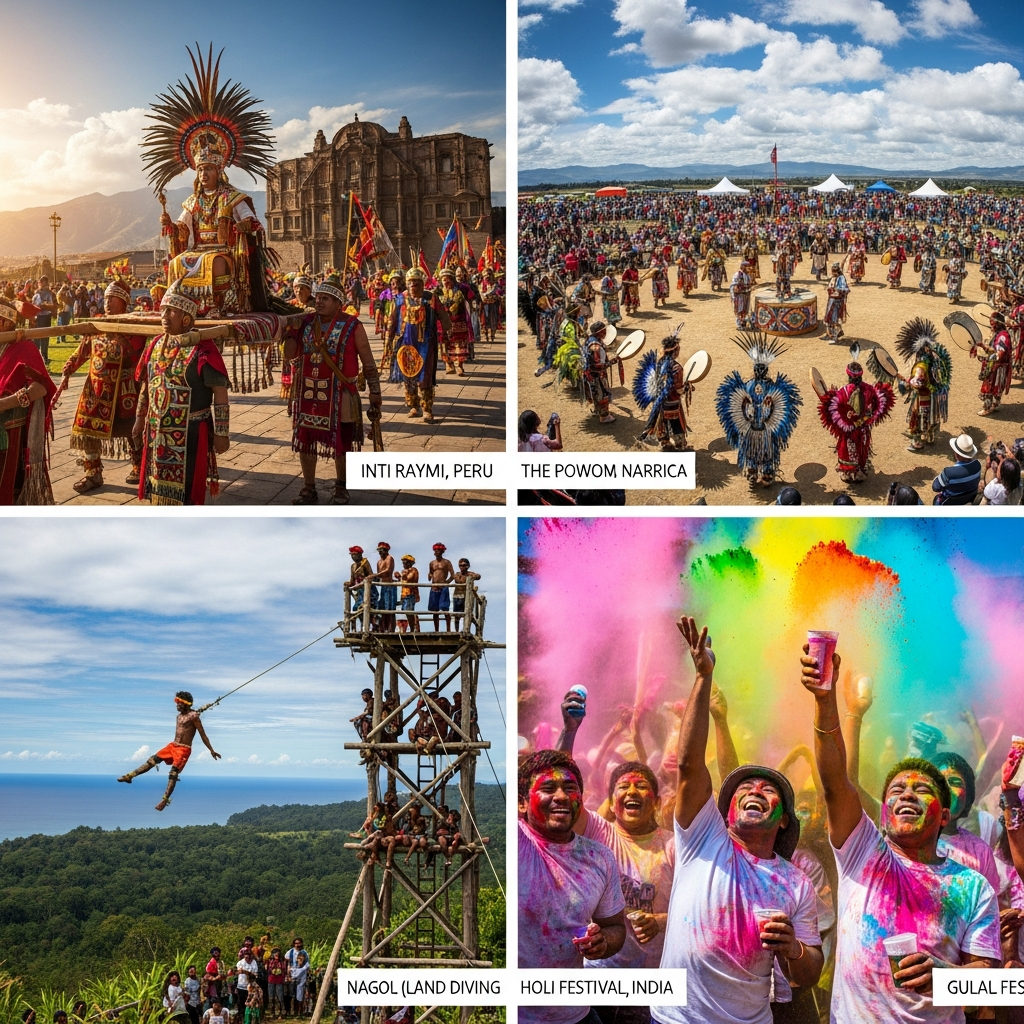
The Gathering of Nations in Albuquerque, New Mexico, is the largest powwow in North America, drawing over 500 tribes and 3,000 dancers annually. Powwows are among the most well-known indigenous festivals around the world—celebrations of Native American culture through competitive dancing, drumming, singing, and trade.
In Canada, the Squamish Lil’wat Cultural Centre’s winter ceremonies and the Treaty Days celebrations in various First Nations communities honor both resilience and living tradition. In Mexico, the Guelaguetza Festival in Oaxaca brings together sixteen indigenous groups in a spectacular display of regional dance and traditional attire—a vibrant example of color festivals rooted in pre-Columbian heritage.
These events are not relics of the past. They are modern affirmations of identity, drawing young indigenous people back to their roots while opening their traditions to respectful outside audiences.
South America’s Rich Indigenous Traditions
What are the most important indigenous festivals in South America?
Few festivals on earth carry the weight of Inti Raymi, the Incan Festival of the Sun, celebrated annually on June 24th in Cusco, Peru. Originally observed by the Inca Empire to honor Inti—the sun god—the festival was banned by Spanish colonizers in 1572 and revived in 1944. Today, it draws tens of thousands of visitors to the ancient fortress of Sacsayhuamán for theatrical reenactments and ceremonial offerings.
Pachamama Raymi, celebrated across the Andean communities of Peru, Bolivia, and Ecuador, honors Mother Earth. Offerings of food, chicha (corn beer), and flowers are buried in the earth each August as an act of reciprocity. This is one of the indigenous festivals around the world most deeply tied to environmental philosophy.
In the Amazon basin, individual tribal communities host their own seasonal ceremonies—many of which are not open to outsiders but can be learned about through cultural centers and indigenous-led tourism organizations.
Africa’s Ancient Rhythms and Rituals
Which indigenous festivals in Africa are most accessible to visitors?
The Maasai Cultural Festival, held in Kenya and Tanzania, showcases the warrior traditions, song, and beadwork of one of Africa’s most recognized indigenous peoples. Events include jumping competitions (adumu), cattle ceremonies, and the chance to visit traditional Maasai villages.
In Mali, the Fête du Ramadan blends Islamic religious practice with local indigenous traditions—an example of how many African communities have woven new religious festivals into older spiritual frameworks. The result is a unique cultural hybrid that reflects centuries of history.
Across sub-Saharan Africa, hundreds of tribal celebrations take place each year. The Reed Dance (Umhlanga) in Eswatini, the Homowo harvest festival in Ghana, and the Timket festival in Ethiopia represent just a fraction of the continent’s extraordinary ceremonial diversity. Africa is home to some of the most visually spectacular color festivals on the indigenous calendar—celebrations defined by painted bodies, elaborate headdresses, and richly dyed fabrics.
Asia and Oceania: Diverse Spiritualities
What are the most compelling indigenous festivals in Asia and Oceania?
Japan’s Ainu people—the indigenous inhabitants of Hokkaido—celebrate the Iomante (Bear-Sending Ceremony) and various nature-based rituals that honor the kamuy (spiritual beings) believed to inhabit all living things. The Upopoy National Ainu Museum, opened in 2020, now hosts cultural events year-round that introduce visitors to Ainu song, embroidery, and storytelling.
In Papua New Guinea, the Goroka Show and the Laura Festival in Queensland, Australia, rank among the most visually stunning indigenous festivals around the world. The Goroka Show alone features over 100 tribal groups in traditional body paint and ceremonial dress.
In New Zealand, Matariki—the Māori New Year marked by the rising of the Pleiades star cluster—was officially recognized as a public holiday in 2022. The celebration includes night-time festivals with lanterns, fire, and stargazing, connecting participants to both the cosmos and their ancestors.
Australia’s NAIDOC Week (National Aborigines and Islanders Day Observance Committee) celebrates the history, culture, and achievements of Aboriginal and Torres Strait Islander peoples every July, with events held in cities and remote communities alike.
European Indigenous Heritage
Are there indigenous festivals in Europe worth visiting?
Europe has its own indigenous peoples—most notably the Sámi, who inhabit the Arctic regions of Norway, Sweden, Finland, and Russia. The Sámi National Day (February 6th) is marked across all four countries with traditional yoik singing, reindeer racing, and handicraft exhibitions known as duodji.
The Riddu Riđđu Festival in Norway is an international festival of indigenous peoples that hosts artists and performers from Sámi communities and indigenous groups worldwide—an extraordinary convergence of indigenous voices in one place.
The Día de la Tradición in Spain’s Basque Country, and various Roma cultural gatherings across Central and Eastern Europe, further illustrate that indigenous traditions are very much alive on the European continent.
How to Plan Your Journey to Indigenous Festivals
How can I attend indigenous festivals around the world responsibly?
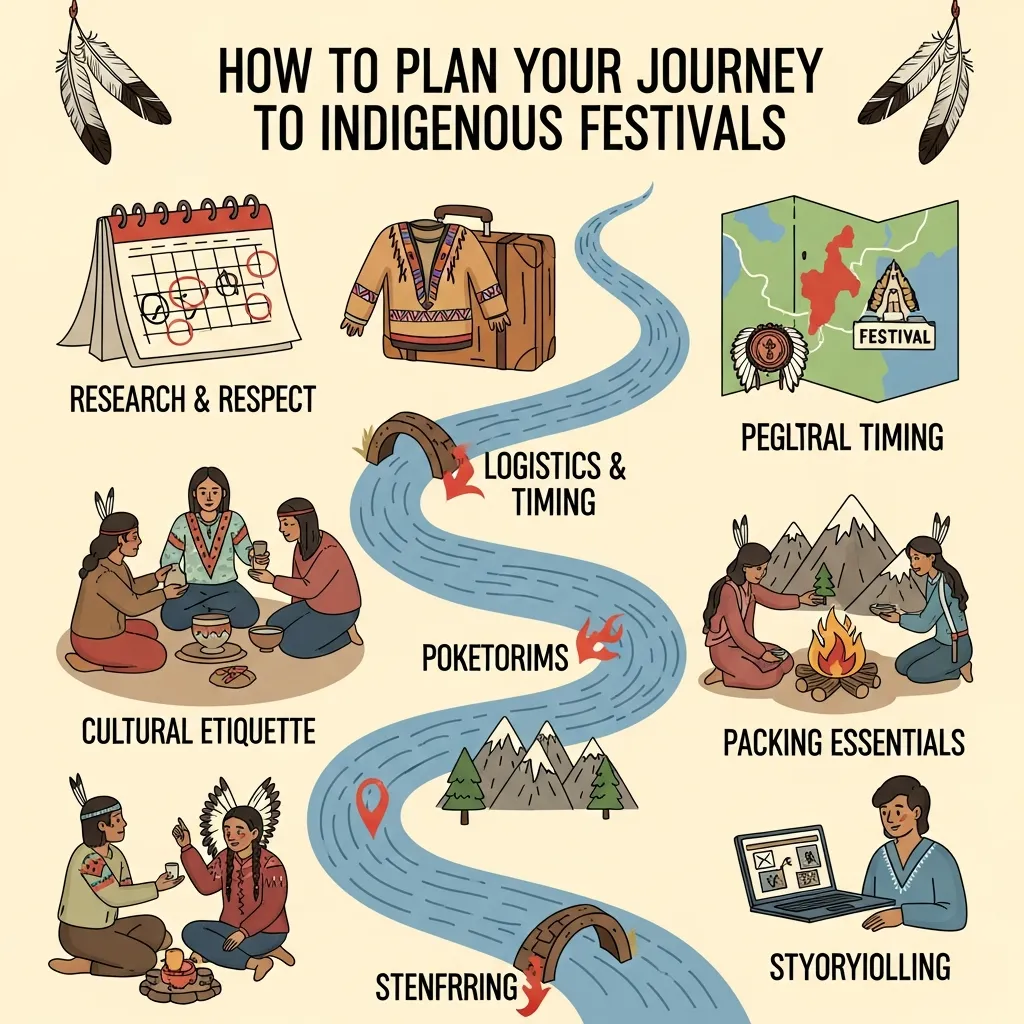
Planning a trip to an indigenous festival requires more preparation than booking a standard tourism experience. Here’s what responsible visitors should keep in mind:
Research before you go. Not all indigenous festivals around the world are open to outside visitors. Some are private, sacred ceremonies. Start by consulting indigenous-led tourism organizations or cultural centers to understand which events welcome guests.
Finding event tickets online. Many larger festivals—such as the Gathering of Nations, Inti Raymi, and the Goroka Show—offer event tickets online through official websites or platforms like Eventbrite. Purchasing directly from indigenous-run organizations ensures that revenue stays within the community.
Timing matters. Inti Raymi takes place in late June. The Goroka Show is held in September. Matariki falls in mid-winter in the Southern Hemisphere (June–July). Planning around specific dates is essential, so check official festival calendars well in advance.
Dress and behavior. Follow any dress codes. Ask before photographing people or ceremonies. Participate when invited, observe when not. Leave the site as you found it.
Beyond Daylight: Night-Time Festivals and Their Magic
What makes indigenous night-time festivals unique?
Some of the most powerful moments in indigenous ceremonies happen after dark. Night-time festivals within indigenous cultures use fire, stars, and darkness as spiritual tools—not just atmospherics.
Matariki in New Zealand is fundamentally a night-time festival, built around observing the stars. The Andean Q’eswachaka Bridge Festival includes evening fire rituals. And across the Amazon, many healing ceremonies led by shamans—including ayahuasca rituals—take place exclusively at night.
The quiet intensity of firelit ceremony, drumming that echoes across open land, and the absence of artificial light create an atmosphere that daytime festivals simply cannot replicate. For travelers seeking depth, indigenous night-time festivals offer some of the most profound cultural encounters available anywhere on earth.
The Spectacle of Color: Festivals Alive with Hues
Which indigenous festivals are known as color festivals?
Several indigenous festivals around the world are celebrated as color festivals—events so visually saturated that they have become iconic on social media and in travel photography.
The Guelaguetza in Oaxaca features dancers in vivid traditional costume representing sixteen indigenous groups. The Goroka Show in Papua New Guinea showcases body paint in ochre, white, and black that tells stories of tribal identity. Africa’s Reed Dance and Homowo festivals involve elaborate beadwork, face paint, and woven textiles in extraordinary combinations.
What distinguishes these events from modern color festivals is that each hue carries meaning. Colors in indigenous festivals represent spiritual status, clan affiliation, life stages, and relationships with the natural world. The visual spectacle is inseparable from its cultural content.
The Future of Indigenous Festivals
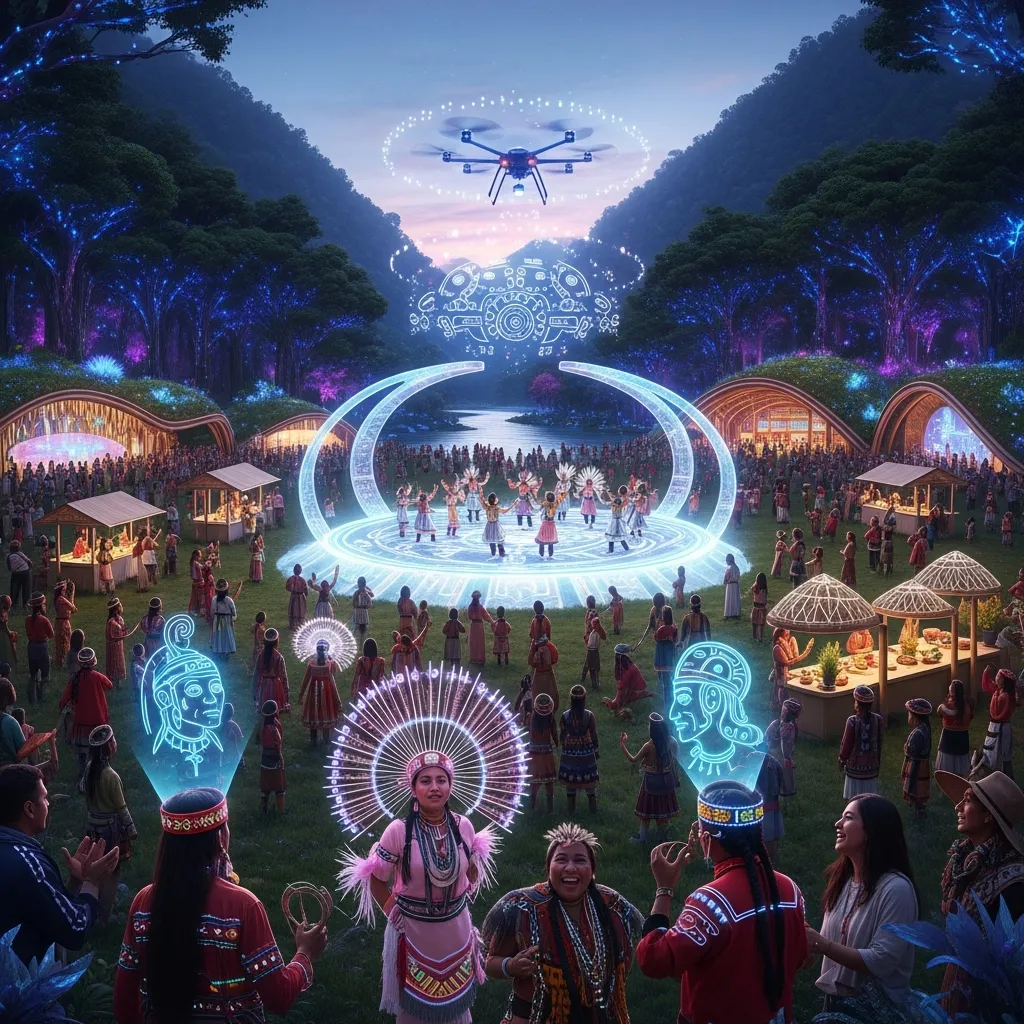
What challenges and opportunities face indigenous festivals today?
The future of indigenous festivals around the world is shaped by tension between preservation and change.
Challenges are real. Commercialization can strip ceremonies of their meaning, turning sacred events into entertainment products. Modernization draws younger community members away from traditional practices. Climate change threatens the agricultural cycles that underpin many harvest festivals.
Opportunities are equally significant. Cultural tourism, when done ethically, generates income that supports indigenous communities. Technology is enabling tribes to record, archive, and broadcast their ceremonies. Platforms like YouTube and Indigenous-run cultural apps are making it possible for diaspora communities to reconnect with their heritage across vast distances.
The role of international recognition also matters. UNESCO’s designation of certain practices as Intangible Cultural Heritage has helped protect events like Inti Raymi and the Ainu traditional dance (inscribed in 2009) from disappearing entirely.
Conclusion: Why Experiencing Indigenous Festivals Around the World Matters
Indigenous festivals around the world are not footnotes in a history book. They are ongoing, living expressions of human diversity—proof that thousands of distinct cultures have found ways to survive, adapt, and celebrate.
Attending one with genuine curiosity and respect does more than enrich your travel experience. It supports the communities who maintain these traditions and signals to the wider world that indigenous culture has value—not as a relic, but as a living, breathing part of global heritage.
Start planning. Find event tickets online for the festivals that call to you. Read about the communities before you arrive. Listen more than you speak. And when you leave, carry what you witnessed with you—and share it thoughtfully.
Frequently Asked Questions
What are indigenous festivals around the world?
Indigenous festivals around the world are ceremonial and cultural gatherings organized by communities with deep ancestral ties to specific lands. They celebrate spirituality, history, harvests, and communal identity through music, dance, ritual, and traditional attire. These events exist on every inhabited continent.
Why are indigenous festivals around the world important?
Indigenous festivals preserve languages, spiritual practices, and cultural knowledge that might otherwise disappear. They transmit identity across generations, strengthen community bonds, and offer the broader world a window into the diversity of human experience.
How can I find event tickets online for indigenous festivals?
Many large indigenous festivals sell event tickets online through official websites or platforms like Eventbrite. For events like the Gathering of Nations, Goroka Show, or Inti Raymi, start with the festival’s official site. Indigenous tourism boards in each country can also direct you to legitimate ticketing sources.
Are all indigenous festivals around the world open to tourists?
No. Some ceremonies are private and sacred, restricted to community members or initiated participants. Always research in advance and consult indigenous-led tourism organizations to confirm which events welcome respectful outside visitors.
What should I expect at indigenous festivals around the world?
Expect a rich sensory experience—traditional music, dance, ceremonial clothing, food, and storytelling. Depending on the festival, you may witness competitive events, spiritual rituals, or community markets. The tone can range from deeply solemn to joyfully celebratory.
How can I be respectful when attending indigenous festivals around the world?
Ask permission before photographing people or ceremonies. Follow local dress codes. Purchase directly from indigenous vendors and artisans. Avoid treating sacred elements as photo opportunities. Learn basic background about the community before attending.
Are there indigenous festivals around the world that are also color festivals?
Yes. The Guelaguetza in Oaxaca, the Goroka Show in Papua New Guinea, and the Reed Dance in Eswatini are all vivid color festivals where elaborate traditional dress, body paint, and textiles create stunning visual spectacles—each color carrying specific cultural meaning.
What are some famous night-time festivals among indigenous cultures?
Matariki in New Zealand is a prominent indigenous night-time festival centered on stargazing and fire ceremonies. Andean harvest rituals often include evening fire offerings. Amazonian healing ceremonies led by shamans traditionally take place after dark, using firelight as part of the spiritual practice.
What is Inti Raymi and where is it held?
Inti Raymi is the Incan Festival of the Sun, held annually on June 24th in Cusco, Peru. Revived in 1944 after being banned by Spanish colonizers in 1572, it features large-scale theatrical reenactments at the fortress of Sacsayhuamán and draws tens of thousands of visitors each year.
What role does technology play in preserving indigenous festivals?
Technology enables indigenous communities to document, archive, and share their ceremonies with global and diaspora audiences. Video platforms, cultural apps, and digital archives help ensure that traditions are not lost when elder knowledge-keepers pass on.
Are indigenous festivals in Europe worth visiting?
Absolutely. The Sámi people of Scandinavia celebrate Sámi National Day on February 6th with yoik singing and reindeer racing. The Riddu Riđđu Festival in Norway brings together indigenous performers from around the world. These events offer an accessible and underexplored entry point into European indigenous culture.
How does commercialization affect indigenous festivals around the world?
Commercialization can dilute the sacred or cultural meaning of festivals, turning them into entertainment products for outside audiences. To counter this, travelers should prioritize indigenous-led events, purchase from community vendors, and support organizations that advocate for ethical cultural tourism standards.