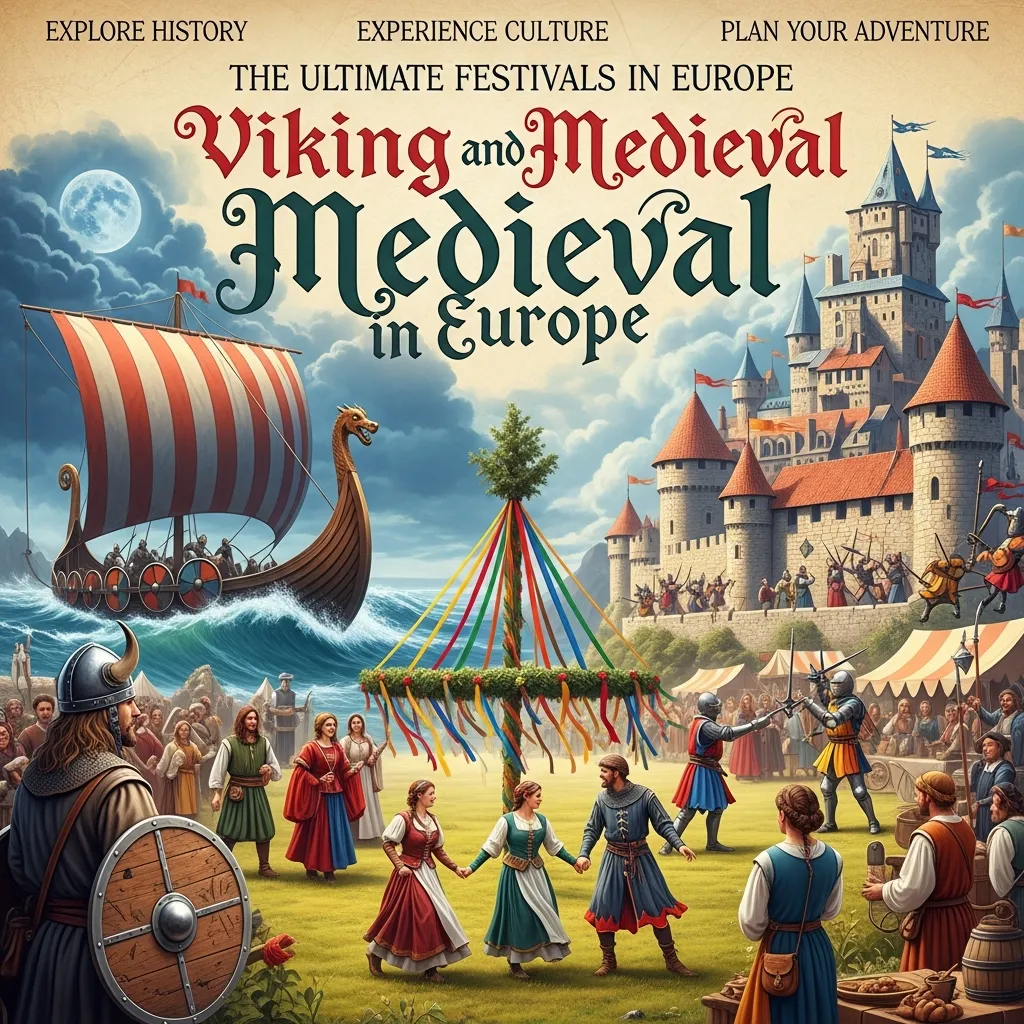
Viking and Medieval Festivals across Europe offer immersive historical experiences featuring reenactments, traditional crafts, jousting, and ancient food and music. Top events include Up Helly Aa in Scotland, Medieval Week in Gotland, Sweden, and the Carcassonne Medieval Festival in France—each offering something distinct for history lovers and families alike.
Few travel experiences match the thrill of watching a Viking longship go up in flames against a dark Scottish sky, or wandering through a medieval market tucked inside a centuries-old fortified city. These aren’t museum visits with velvet ropes and hushed voices. Viking and Medieval Festivals in Europe place you directly inside history—surrounded by clashing swords, smoking forges, roasting meats, and storytellers dressed as Norse warriors or feudal knights.
Europe’s calendar is packed with these events, and the variety is staggering. From intimate village gatherings in rural Spain to massive international reenactments drawing tens of thousands of visitors to Scandinavia and Poland, the options can feel overwhelming. Which festivals are worth the trip? What should you prepare for? How do you get the most out of the experience?
This guide answers all of that. Whether you’re a seasoned historical traveler or booking your first festival adventure, you’ll find everything you need here—from the best Viking and Medieval Festivals in Europe to practical planning tips that will make your visit seamless, memorable, and worth every euro spent.
What Makes Viking and Medieval Festivals Different From Other Events?
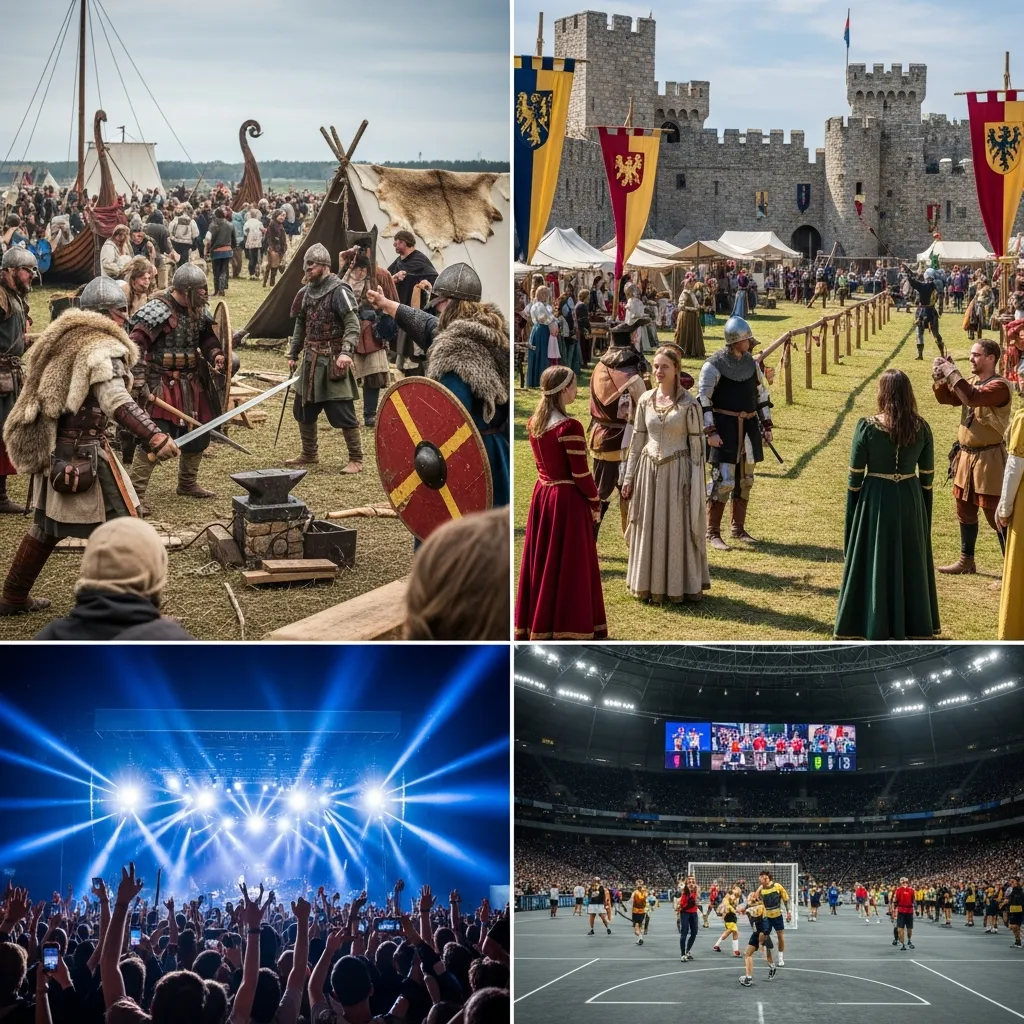
Historical accuracy vs. entertainment: where do these festivals sit?
Viking and Medieval Festivals occupy a fascinating space between education and spectacle. The best ones don’t force you to choose between the two. Events like the Moesgaard Viking Moot in Denmark prioritize rigorous historical reenactment, with participants wearing period-accurate clothing and using authentic tools and techniques. Others, like the Carcassonne Medieval Festival in France, lean more heavily into theatrical drama—fire shows, grand parades, and crowd spectacle.
Most festivals blend both approaches. Expect to encounter trained reenactors who can explain the finer points of Viking shipbuilding, followed immediately by a jousting match with enough drama to rival any action film.
What can you expect to see and do at these festivals?
The core elements of Viking and Medieval Festivals typically include:
- Historical reenactments: Battle scenes, sieges, and daily life demonstrations
- Traditional crafts: Blacksmithing, weaving, pottery, woodcarving, and leatherworking
- Period food and drink: Mead, roasted meats, flatbreads, and spiced ales
- Music and performance: Folk instruments, troubadours, fire dancers, and storytellers
- Jousting and archery: Often the most crowd-pleasing highlights
- Medieval and Viking markets: Handmade goods, replica weapons, clothing, and jewelry
These festivals also make exceptional good family getaways. Children can try archery, dress as Viking warriors, and watch live combat demonstrations—all while absorbing history in a way no classroom can replicate.
Top Viking Festivals in Europe Worth Traveling For
Up Helly Aa, Shetland, Scotland — the fire festival that defines spectacle
Held annually on the last Tuesday of January, Up Helly Aa transforms the remote Shetland Islands into something out of a Norse saga. Around 1,000 torchbearers—known as guizers—parade through the streets of Lerwick before hauling a full-sized Viking longship to a designated site and setting it alight. The entire community participates, and the flames are visible from miles away.
This isn’t a tourist-first event. It’s a genuine community celebration, which is precisely what makes it so compelling to witness. Visitor numbers are managed carefully, so book accommodation in Lerwick well in advance—rooms fill up six to twelve months ahead of time.
Moesgaard Viking Moot, Aarhus, Denmark — Europe’s premier historical reenactment
Held annually in late July at the Moesgaard Museum just south of Aarhus, the Moesgaard Viking Moot is widely considered one of the most historically accurate Viking festivals in the world. Hundreds of reenactors from across Europe set up authentic encampments, demonstrating everything from combat techniques to textile production.
The festival is particularly strong for families. Children’s workshops in crafts and storytelling run throughout the weekend, and the museum’s permanent Viking Age collection provides excellent context for what you’re seeing outside. Aarhus is easily accessible by train from Copenhagen, making logistics straightforward.
Lofotr Viking Festival, Borg, Norway — living history in a breathtaking setting
The Lofotr Viking Festival takes place each August at the Borg Viking Museum on the Lofoten Islands—one of the most dramatically beautiful locations in all of Scandinavia. The setting alone justifies the trip. Mountains drop straight into Arctic fjords while participants row Viking longships, practice archery, and feast inside a reconstructed 83-metre longhouse, the largest Viking building ever excavated.
Getting there requires planning. Fly into Bodø or Svolvær, then travel by road along the E10. Accommodation on the Lofoten Islands books out quickly in summer, so reserve at least three to four months ahead.
Jomsborg Viking Festival, Wolin, Poland — one of Europe’s largest Viking gatherings
Held each August on Wolin Island in northwestern Poland, the Jomsborg Viking Festival draws participants and visitors from over 30 countries. The event focuses on the historical Slavic-Viking culture of the region and features large-scale battle reenactments, traditional encampments, craft demonstrations, and a sprawling historical market.
For budget-conscious travelers, Poland offers exceptional value. Wolin is accessible from Szczecin by car or regional bus, and camping on-site keeps accommodation costs minimal.
Top Medieval Festivals in Europe That Transport You to Another Era
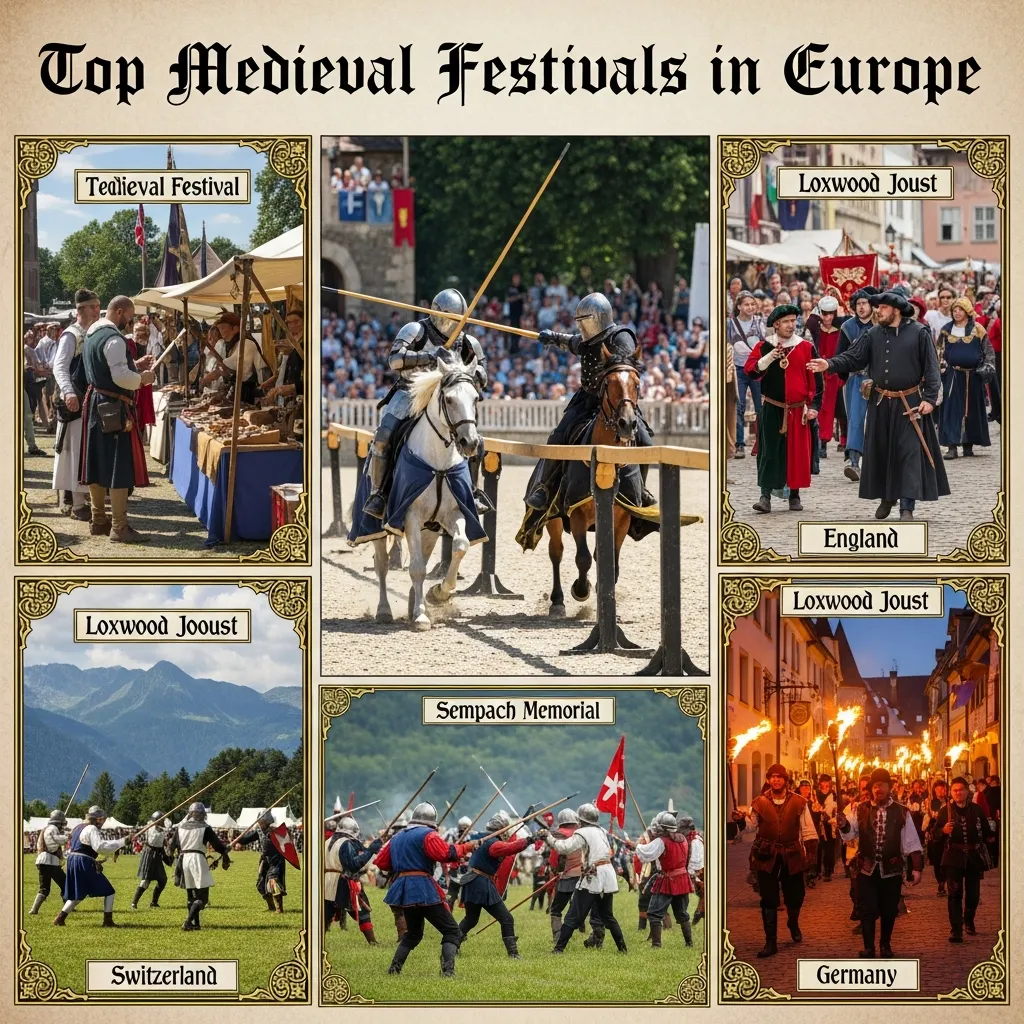
Medieval Week, Gotland, Sweden — a UNESCO World Heritage city brought to life
Every August, the medieval walled city of Visby on Gotland Island hosts Medieval Week—one of the largest and most celebrated Medieval Festivals in Europe. Visby is a UNESCO World Heritage Site, and its 13th-century ring wall provides an extraordinary backdrop for jousting tournaments, medieval markets, outdoor concerts, theatrical performances, and street parades.
The festival draws roughly 40,000 visitors annually. If you want to experience it without the largest crowds, aim for the opening or closing days of the week-long event. Ferries run regularly from Nynäshamn and Oskarshamn on the Swedish mainland.
Conwy Medieval Festival, Wales, UK — history inside a working castle
Set within the walls of the 13th-century Conwy Castle—a UNESCO-listed Edward I fortress in North Wales—the Conwy Medieval Festival brings living history to one of Britain’s most impressive medieval structures. Battle reenactments, archery demonstrations, and living history camps fill the castle grounds over the festival weekend, typically held in May.
Conwy is well-connected by rail from Manchester and Chester. Book tickets for the festival online in advance, as entry to the castle grounds during the event sells out quickly.
Festival of the Three Cultures, Frigiliana, Spain — medieval history meets cultural diversity
The Festival of the Three Cultures in Frigiliana, a whitewashed village in Andalusia, celebrates the coexistence of Christian, Muslim, and Jewish communities in medieval Spain. The festival—typically held in late August—features traditional music, costumed performances, artisan markets, and food that draws from all three culinary traditions.
Frigiliana is located just inland from Nerja on the Costa del Sol, making it easily accessible from Málaga Airport. The festival offers a genuinely different perspective on medieval history, one rooted in cultural exchange rather than conflict.
Carcassonne Medieval Festival, France — grand theatre inside a fortified city
Each July, the fortified city of Carcassonne—another UNESCO World Heritage Site—hosts a spectacular Medieval Festival featuring theatrical reenactments, fire shows, historical parades, and a major fireworks display on Bastille Day (July 14). The scale of the event is hard to match anywhere in Europe.
To experience Carcassonne outside of peak festival crowds, stay in the lower town (Ville Basse) rather than inside the citadel walls, and visit the festival sites early in the morning before tour groups arrive. Carcassonne has its own airport, and TGV connections from Paris take approximately four and a half hours.
How to Plan Your Viking or Medieval Festival Trip
When is the best time to visit Viking and Medieval Festivals in Europe?
The majority of Viking and Medieval Festivals take place between June and September, when weather across northern and central Europe is most favorable. The key exceptions are Up Helly Aa (January) and Conwy Medieval Festival (May). Summer festivals in popular destinations—Gotland, Lofoten, Carcassonne—coincide with the peak tourist season, so planning ahead is essential.
Where should you stay during festival weekends?
Accommodation options vary significantly by festival:
- On-site camping: Available at most large festivals, including Jomsborg and Lofotr. Often the most atmospheric option.
- Nearby towns and villages: Usually more comfortable and affordable than festival-adjacent hotels.
- Vacation rentals: Platforms like Airbnb can surface local homes and apartments at better rates than traditional hotels, especially in smaller towns.
Getting to European Viking and Medieval Festivals: transport tips
Most major festival locations are reachable by a combination of flight and ground transport. Rail connections are strong across Western Europe and Scandinavia. For more remote locations—the Lofoten Islands, Wolin Island, Shetland—budget additional travel days and research ferry or regional flight options.
What to wear—and should you dress up?
Costumes are warmly welcomed at virtually every Viking and Medieval Festival, and many events actively encourage them. You don’t need an elaborate handmade outfit—a simple linen tunic or a basic medieval-style dress from a costume supplier is enough to feel part of the atmosphere. Several festivals have vendors on-site selling period clothing and accessories.
How much should you budget for a festival trip?
A rough per-day budget (excluding flights) might look like:
- Budget traveler (camping, self-catered): €50–80/day
- Mid-range (hostel or B&B, eating at the festival): €100–150/day
- Comfortable (hotel, dining out): €200+/day
Festival entry fees vary—some events are free, others charge €15–30 per day. Many offer family ticket discounts.
How to Get the Most Out of Viking and Medieval Festivals
Talk to the reenactors—they’re there for it
The people in period costumes are almost always eager to talk. Ask them about their craft, their character, or their historical research. The best festival experiences rarely happen on a schedule; they happen in conversations beside a blacksmith’s forge or watching a leatherworker stitch a medieval boot.
Eat and drink like the era demands
Try the mead. Try the roasted boar. Order the flatbread with smoked cheese. Food at Viking and Medieval Festivals varies in quality, but the best stalls take their offerings seriously. Look for vendors who prepare food over open fire—they usually know what they’re doing.
Join workshops and hands-on activities
Most festivals offer archery, craft, and combat workshops. These fill up quickly. Check the festival program as soon as you arrive and sign up for any sessions that interest you.
Photography: timing and positioning matter
Golden hour—the hour after sunrise and before sunset—produces the most atmospheric shots at outdoor festivals. Position yourself near fire pits or torch-lit areas for dramatic evening images. Most reenactors are happy to pose for photographs if you ask politely.
Respect the etiquette
Follow any posted rules about touching exhibits or equipment. Be mindful of active performance areas during reenactments. Keep children supervised near combat demonstrations. These events are managed by passionate volunteers and organizers—treat the spaces accordingly.
Beyond Viking and Medieval: Other Historical and Cultural Festivals Worth Knowing
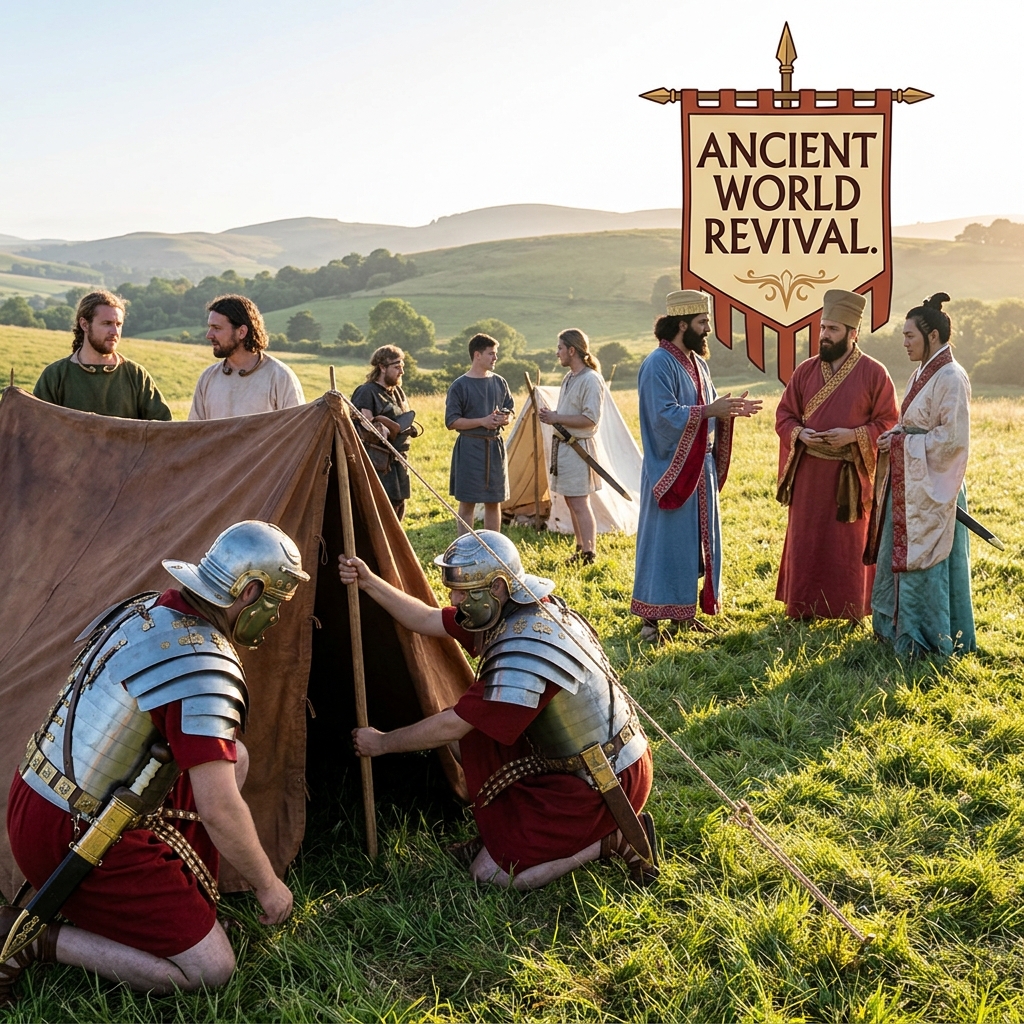
Viking and Medieval Festivals represent just one thread in Europe’s rich tapestry of historical celebration. Ancient Festivals—events that commemorate Greek, Roman, or Celtic heritage—are equally compelling for history enthusiasts. Greece, Italy, and Ireland all host major gatherings centered on ancient cultural practices, from theatrical performances in restored amphitheaters to Samhain fire ceremonies.
Globally, Indigenous Festivals offer a different kind of cultural immersion—one centered on living traditions rather than historical reenactment. From Sami cultural gatherings in northern Scandinavia to Native American powwows in North America, these events connect visitors with heritage that is still actively maintained.
Other festival categories worth exploring for future travel include Color Festivals inspired by traditions like Holi, and Religious Festivals that mark significant dates across the world’s major faiths. Each offers its own form of cultural depth and communal experience.
Start Planning Your Festival Adventure
Europe’s Viking and Medieval Festivals are among the most immersive travel experiences available to history-minded travelers. The combination of dramatic settings, skilled reenactors, traditional food and craft, and genuine community spirit creates something that passive tourism simply cannot replicate.
The practical side is manageable. Most of the festivals covered in this guide are accessible by public transport, offer a range of accommodation options, and welcome visitors of all ages. The main requirement is planning ahead—particularly for accommodation at events like Up Helly Aa and Moesgaard, where demand consistently outpaces supply.
Pick one festival that genuinely excites you, block the dates, and book accommodation as early as you can. The sword fights, the mead, and the burning longships will handle the rest.
Frequently Asked Questions
What are the best Viking festivals in Europe for first-time visitors?
The Moesgaard Viking Moot in Aarhus, Denmark, is widely recommended for first-time visitors. It combines rigorous historical accuracy with family-friendly activities, is easily accessible by public transport from Copenhagen, and takes place at a world-class museum that provides excellent context. The Lofotr Viking Festival in Norway is the top choice for travelers who prioritize setting and atmosphere.
When do most Medieval and Viking Festivals take place in Europe?
Most Viking and Medieval Festivals in Europe run between June and September. Notable exceptions include Up Helly Aa in Shetland (late January) and the Conwy Medieval Festival in Wales (May). Summer timing aligns with school holidays, making these events particularly popular as good family getaways.
Are Viking and Medieval Festivals suitable for children?
Yes. Most major Viking and Medieval Festivals are well-suited for families with children. Events like the Moesgaard Viking Moot and Medieval Week in Gotland offer dedicated children’s programs, including archery, craft workshops, and storytelling sessions. Combat demonstrations are typically staged and managed with safety in mind.
Do I need to wear a costume to attend a Viking or Medieval Festival?
Costumes are not required at most festivals, but they are strongly encouraged and widely worn. Many festivals have on-site vendors selling period clothing and accessories. Even a basic linen tunic or simple medieval dress significantly enhances the atmosphere—both for you and for fellow attendees.
What is the largest Viking festival in Europe?
The Jomsborg Viking Festival on Wolin Island, Poland, is one of the largest Viking and Slavic historical gatherings in Europe, regularly drawing participants from over 30 countries. Up Helly Aa in Shetland, Scotland, is arguably the most famous, though it is more community-centered and smaller in overall visitor capacity.
How do Viking and Medieval Festivals differ from Ancient Festivals?
Viking and Medieval Festivals focus specifically on the historical periods roughly spanning 700–1500 CE, covering Norse culture and feudal European society. Ancient Festivals, by contrast, celebrate pre-medieval civilizations—Greek, Roman, Celtic, or Egyptian heritage. Both offer historical immersion, but Viking and Medieval Festivals tend to feature more interactive reenactment, while Ancient Festivals often center on theatrical performance and archaeological sites.
What is the most visually spectacular Medieval Festival in Europe?
The Carcassonne Medieval Festival in France is frequently cited as the most visually spectacular Medieval Festival in Europe. Set within a UNESCO-listed fortified city, the event features large-scale fire shows, historical parades, and a Bastille Day fireworks display that draws visitors from across the continent.