Meeting locals during festival travel transforms a standard trip into a deeply human experience. By preparing ahead, choosing the right accommodations, volunteering, sharing meals, and participating in cultural rituals, travelers can forge genuine connections that last well beyond the festival itself.
Every festival tells a story. But the most meaningful version of that story isn’t found in the main stage lineup or the Instagram-worthy light displays—it’s found in the people who live it year after year. Locals during festival travel are the beating heart of every cultural celebration, and connecting with them is what separates a memorable trip from a truly transformative one.
Festival travel has exploded in popularity over the past decade. From the neon chaos of Holi in Mathura to the lantern-lit streets of Diwali in Jaipur, travelers are increasingly drawn to events that offer cultural depth alongside spectacle. Yet many visitors still find themselves watching from the outside—camera in hand, surrounded by other tourists, missing the living tradition unfolding just a few feet away.
This guide is built to change that. Whether you’re planning a festival trip solo or heading to a tribal cultural festival with a group, you’ll find practical, respectful, and effective strategies for connecting with locals during festival travel in a way that enriches both parties. From pre-trip preparation to post-festival follow-up, every section offers something you can act on immediately.
What Makes Locals During Festival Travel Different from Regular Tourism?
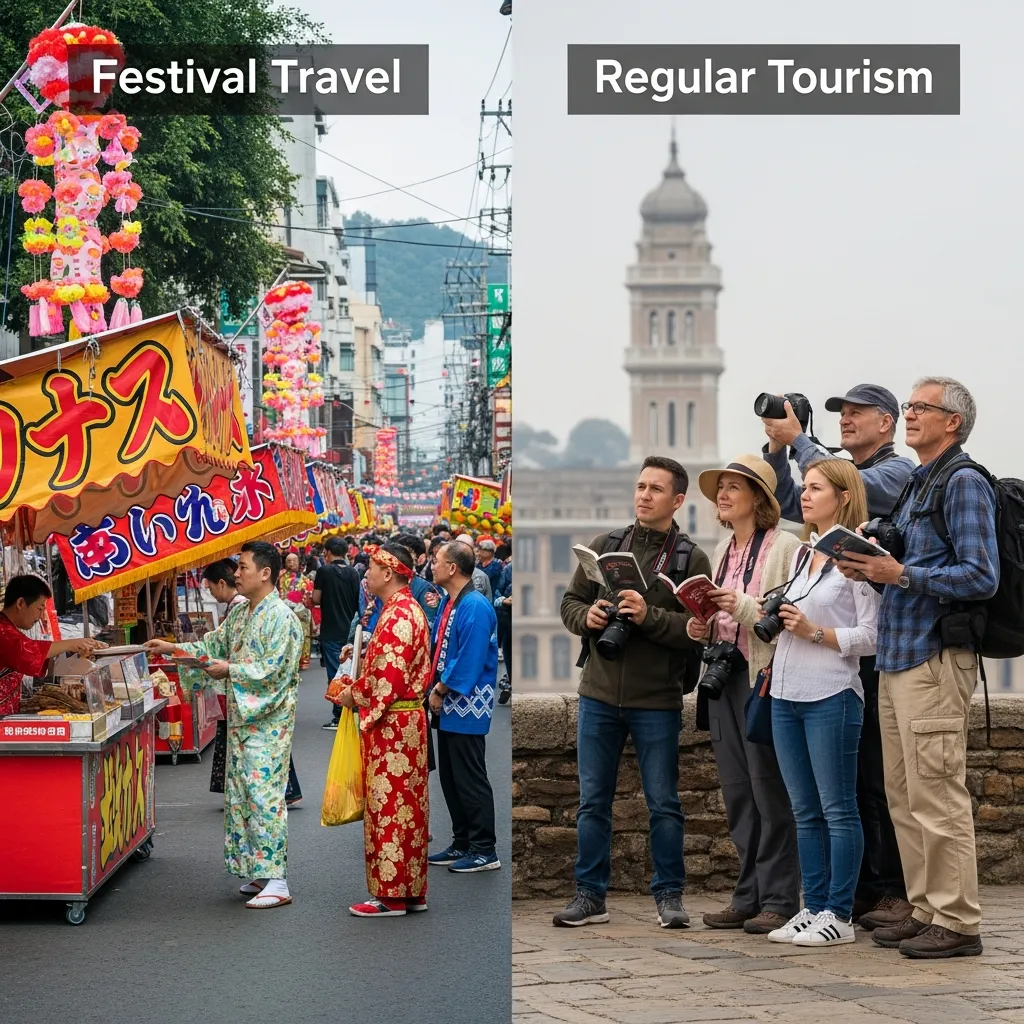
Festival Travel vs. Regular Tourism: Why the Dynamic Shifts
Festival travel vs. regular tourism is a meaningful distinction—and not just in terms of crowd size. Regular tourism often positions the traveler as a spectator of a place’s history or architecture. Festival travel, by contrast, drops you into a living tradition. The locals during festival travel aren’t museum guides or hotel staff—they’re participants in something deeply personal to their identity.
This creates a unique social opening. Festivals tend to generate collective joy, pride, and generosity. Locals are often more willing to engage with outsiders during these periods than at any other time of year, provided you approach with genuine curiosity rather than extractive tourism habits.
Why Connecting with Locals During Festival Travel Offers a Richer Experience
The richest festival experiences come from conversations, not content. Learning why a family lights a particular pattern of diyas during Diwali, or why a specific dance step in a tribal cultural festival carries mourning rather than celebration—these insights don’t appear in any travel blog. They come from sitting down with the people who hold that knowledge.
Locals during festival travel offer context that transforms observation into understanding. And for many local communities, being seen and heard by curious travelers—rather than photographed and moved past—is itself meaningful.
Overcoming Initial Hesitation When Approaching Locals
Most travelers hesitate. The fear of intruding, of saying the wrong thing, or of being perceived as presumptuous is real. But locals during festival travel are often more welcoming than you expect, especially if you approach with humility and a few words in their language. The discomfort you feel approaching a stranger at a festival is almost always temporary. The regret of not trying lasts considerably longer.
Pre-Festival Preparations That Make Local Connections Easier
How Can You Research Local Customs Before Arriving at a Festival?
Start at least two to three weeks out. Read accounts written by locals, not just travel bloggers—look for community forums, subreddits dedicated to specific regions, and social media groups run by local cultural organizations. Understand what the festival commemorates, which behaviors signal respect, and which are considered intrusive.
For tribal cultural festivals in particular, researching the specific community’s history, language family, and relationship with tourism is essential. Many indigenous festivals have complex protocols around photography, participation, and access.
Learning Basic Phrases: A Small Effort with a Disproportionate Impact
Nothing breaks the ice faster than attempting someone’s language. Even a mispronounced greeting in Marathi or a clumsy “thank you” in Tamil signals effort—and effort signals respect. Locals during festival travel consistently respond warmly to travelers who try, even imperfectly.
Apps like Duolingo and Pimsleur can get you conversational basics within a week. For regional languages, YouTube tutorials and community language exchange platforms like Tandem are particularly useful.
Choosing Accommodations That Naturally Foster Interaction
Where you sleep shapes who you meet. Large resort hotels insulate you from local life. Guesthouses, homestays, and locally-owned B&Bs put you inside it. Platforms like Airbnb’s “Experiences” feature and Worldpackers connect travelers with hosts who actively want to share their culture.
For locals during festival travel, homestays are especially powerful—meals become conversations, and conversations become the highlight of the trip.
Packing Essentials for Festival Travel That Support Local Engagement
Pack a small notebook for exchanging contact details. Bring a modest, universally appreciated small gift from your home country—nothing expensive, but something culturally interesting. Carry cash in small denominations for local markets. And most importantly, pack flexibility: the best local connections during festivals rarely happen on schedule.
Strategies for Engaging with Locals During Festival Travel
Participating in Pre-Festival Events and Workshops
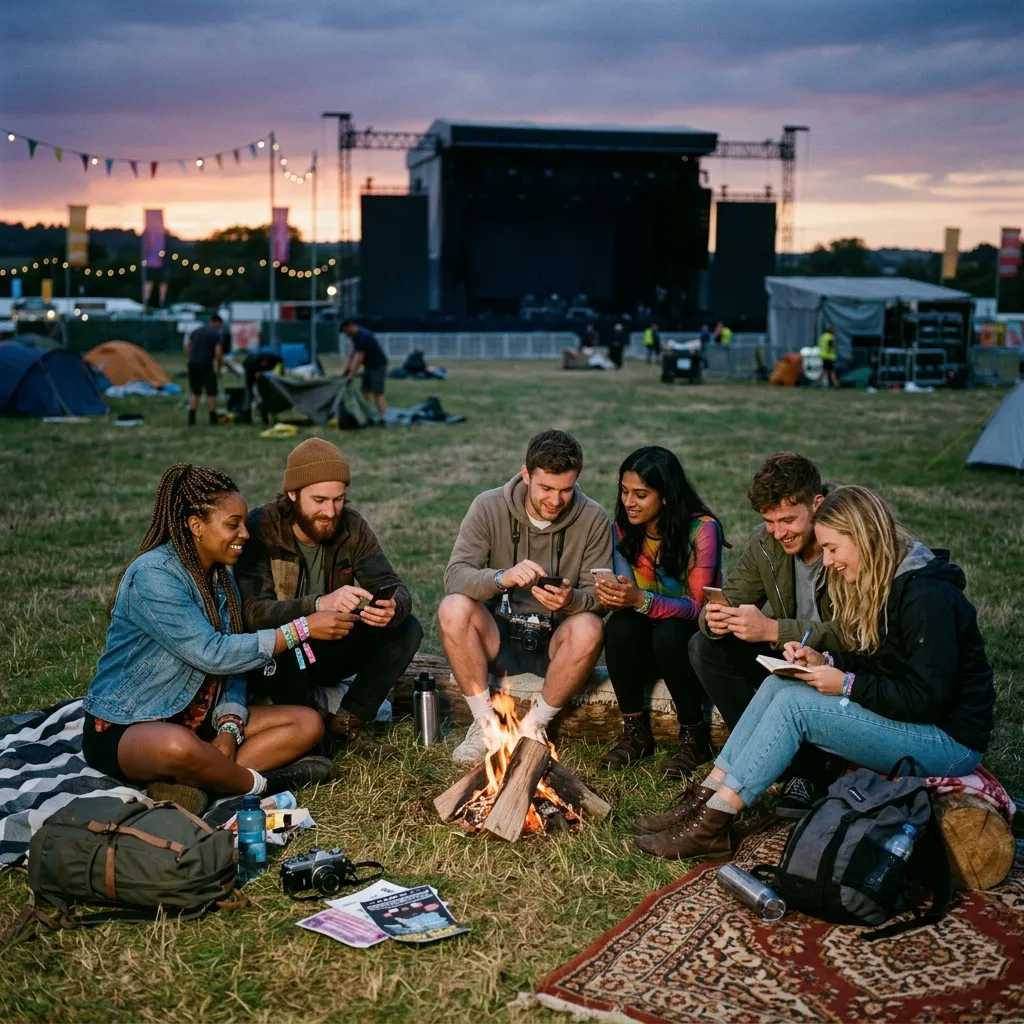
Most major festivals have a build-up period—rehearsals, community preparations, craft workshops. These pre-festival events are significantly less crowded and far more intimate than the main celebration. They’re also where you’ll find locals during festival travel in their most unguarded, collaborative state.
Seek out pottery workshops before a ceramics festival in Japan, or participate in rangoli-making sessions ahead of Diwali. These hands-on contexts create shared purpose, which is one of the fastest routes to genuine human connection.
Volunteering at Festivals: The Fastest Way Inside
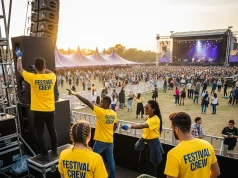
Volunteering puts you shoulder-to-shoulder with locals in a working context. You’ll share tasks, joke through language barriers, and earn a kind of trust that observation alone never generates. Many festivals—from music events in rural Ireland to harvest celebrations in Southeast Asia—actively recruit international volunteers.
Locals during festival travel who work alongside volunteers often become informal guides, inviting volunteers to family meals or after-hours community events that no travel itinerary would ever surface.
Exploring Local Markets and Eateries Around the Festival
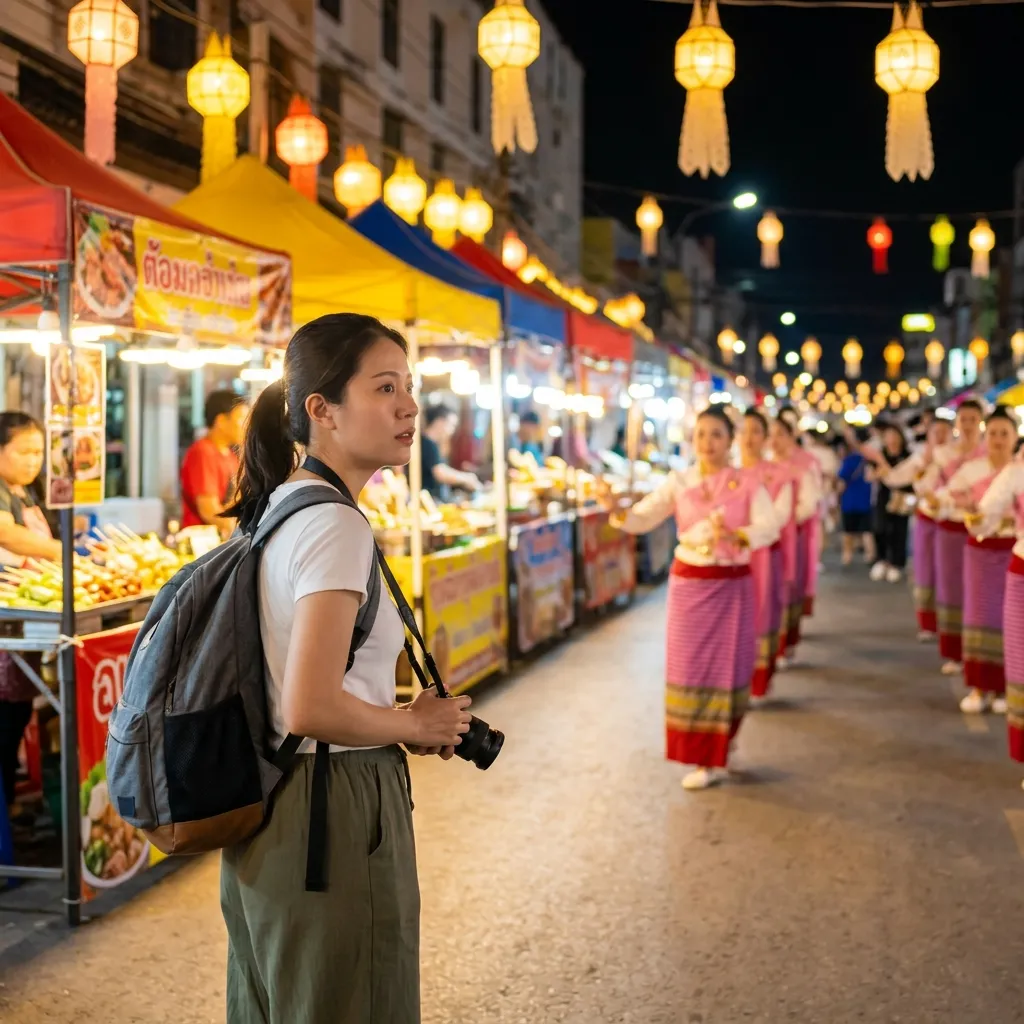
The food stalls surrounding a festival are not afterthoughts—they’re social infrastructure. Family recipes, regional specialties, and generational techniques are all on display. Asking a vendor about their dish, rather than just ordering it, opens a conversation.
“What’s in this?” is one of the most effective questions in cross-cultural connection. It’s non-threatening, universally flattering to the cook, and almost always leads somewhere interesting.
Using Respectful Observation and Interaction Techniques
Watch before you engage. Notice how locals during festival travel interact with each other—their greeting customs, their physical proximity norms, their communication style. Then mirror that energy. Approach with an open posture, a genuine smile, and no camera in your hand (at least initially).
Ask before photographing. Always. This is non-negotiable at tribal cultural festivals and advisable everywhere else.
Joining Guided Tours Led by Local Community Members
Not all guided tours are created equal. Tours led by community members—not agency employees—offer direct access to local perspectives and personal histories. Look for tours organized by local cultural associations or community nonprofits rather than international travel companies.
These guides often speak candidly about the tensions between tourism and tradition, offering the kind of honest insight that enriches a traveler’s understanding of what they’re witnessing.
Deepening Connections During the Festival Itself
Sharing Food and Drink with Locals During Festival Travel
Accepting an invitation to share food is one of the most powerful acts of cross-cultural trust. If a local family offers you a plate during Holi & Diwali festivals, accept graciously. Bring something to contribute if you can—sweets are almost universally appropriate. The reciprocity of sharing a meal creates a social bond that casual interaction rarely achieves.
Participating in Traditional Dances and Ceremonies
Ask before joining, but don’t be afraid to ask. Many festival traditions actively welcome enthusiastic outsiders—folk dances at harvest festivals, communal prayers during Diwali, or call-and-response songs at West African celebrations are often participation-oriented by design.
Locals during festival travel who see a visitor genuinely trying to learn a dance step will almost always step in to help. That moment of teaching and learning is where real connection begins.
Attending Smaller, Community-Focused Events Within the Festival
The main event is designed for scale. The side events are designed for community. Neighborhood parades, family-level rituals, school performances, and local competitions happen throughout major festivals—and they’re where locals during festival travel are most themselves. Ask your accommodation host which events the locals actually attend, not just the ones featured in tourist materials.
The Art of Active Listening and Storytelling
Ask questions that invite stories, not just facts. “What does this festival mean to your family?” generates a richer response than “When did this festival start?” Active listening—nodding, following up, remembering names—signals that you’re genuinely present, not just collecting data for a travel journal.
Locals during festival travel remember the visitors who listened. Those are the people they stay in touch with.
Specific Festival Contexts Worth Understanding
Festival Trip Solo: Maximizing Connections When Traveling Alone
A festival trip solo carries a distinct social advantage: you’re more approachable and more likely to approach others. Groups signal closure; solo travelers signal openness. Locals during festival travel are far more likely to invite a lone traveler into their circle than a group of six.
Book accommodations in advance, share your itinerary with someone at home, and use the solo status as the asset it is. The best connections in a festival trip solo almost always happen spontaneously.
Tribal Cultural Festivals: Respectful Immersion and Engagement
Tribal cultural festivals require a higher level of cultural preparation. Research the specific community’s relationship with outside visitors. Some festivals are open and actively welcoming; others have restricted areas or ceremonies not intended for public observation.
Contact the organizing body before you arrive. Ask directly what participation is appropriate and what is not. This directness is respected in virtually every indigenous cultural context. Locals during festival travel at tribal events tend to respond to travelers who’ve done their homework with remarkable generosity.
Holi & Diwali Festivals: Experiencing Community and Tradition
Holi & Diwali festivals sit at the intersection of religious observance, family tradition, and communal celebration. Both offer multiple points of entry for respectful engagement.
During Holi, participating in the color play (with permission from those around you) is a natural icebreaker. During Diwali, asking a local family about the significance of their specific rangoli pattern or lamp arrangement shows curiosity that goes beyond surface-level appreciation. Locals during festival travel at Holi & Diwali festivals are often genuinely delighted by visitors who want to understand the meaning behind the spectacle.
Post-Festival Reflection and Maintaining Connections
Exchanging Contact Information and Staying Connected
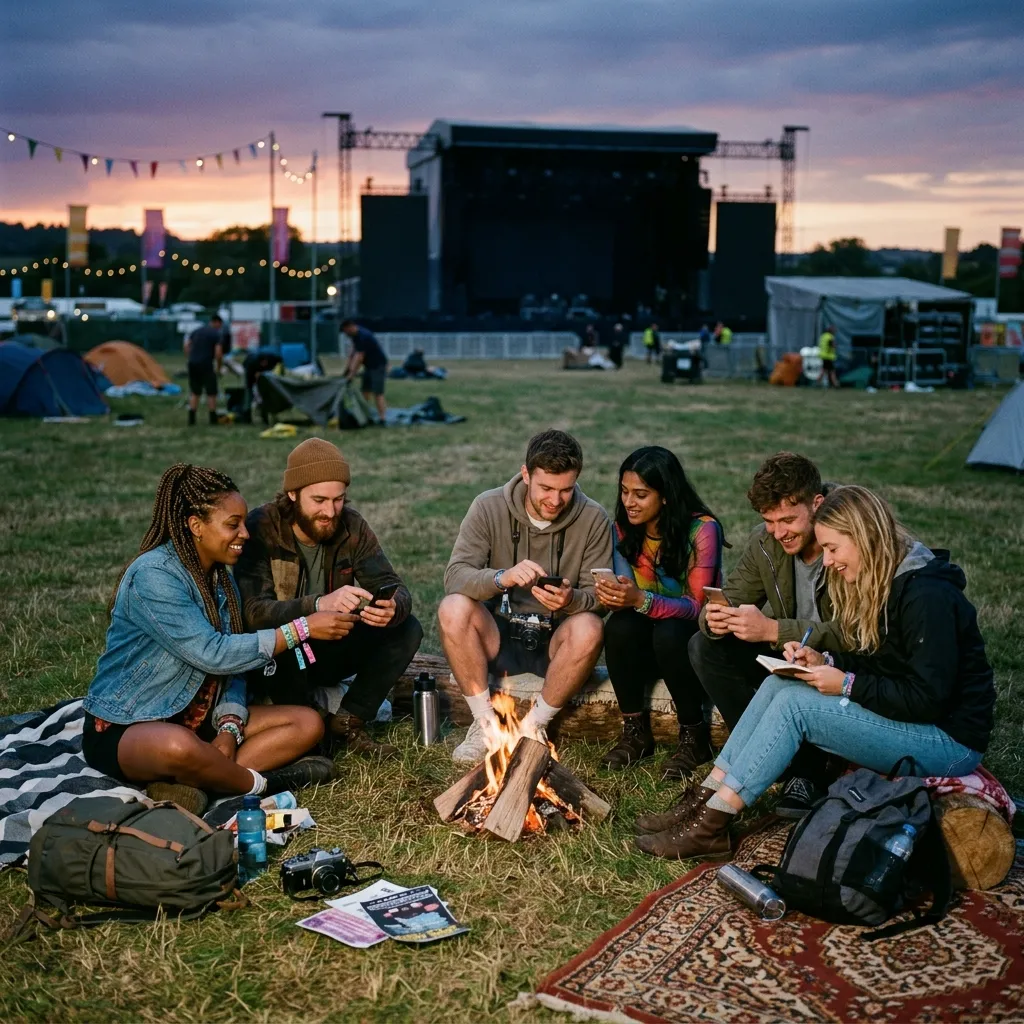
Before the festival ends, exchange contact information with people you’ve genuinely connected with. WhatsApp works across most of the world. A simple follow-up message two or three days after the festival—sharing a photo you took together or referencing a specific conversation—reinforces the connection and signals that the relationship wasn’t transactional.
Sharing Experiences and Memories Responsibly
If you share photos or stories from your festival travel on social media, do so thoughtfully. Tag the locals who gave you permission to be photographed. Credit the communities whose traditions you witnessed. Avoid framing that positions locals as exotic subjects rather than hosts and people.
The Lasting Impact of Connecting with Locals During Festival Travel
The travelers who leave the deepest mark—and carry the most meaningful memories—are those who treated locals during festival travel as people first and cultural ambassadors second. These connections occasionally evolve into lasting friendships, professional relationships, or invitations to return. More often, they simply leave both parties with a more nuanced understanding of how much humans share across cultural difference.
Conclusion
Meeting locals during festival travel is both an art and a discipline. It requires preparation, humility, genuine curiosity, and a willingness to be uncomfortable for the sake of something real. The strategies outlined in this guide—from pre-trip language learning and homestay accommodations to volunteering, sharing meals, and attending community-level events—are not just tips. They’re a framework for approaching travel as participation rather than observation.
Festival travel vs. regular tourism is ultimately a choice about what kind of traveler you want to be. Whether you’re navigating a festival trip solo, immersing yourself in tribal cultural festivals, or experiencing the communal joy of Holi & Diwali festivals, the principle remains the same: the locals during festival travel are the festival. Everything else is backdrop.
Show up with respect. Listen more than you speak. Accept the invitation when it comes. That’s when the real trip begins.
Frequently Asked Questions About Locals During Festival Travel
How can I find out about local customs before attending a festival?
Start with resources created by or in collaboration with the local community—cultural organization websites, regional tourism boards, and community-run forums. Avoid relying solely on mainstream travel blogs, which often reflect tourist perspectives rather than local ones. Books written by local authors about their own festivals are particularly valuable.
What are the most common cultural faux pas to avoid during festival travel?
Photographing without permission is the most universal mistake. Others include entering sacred spaces without invitation, refusing offered food (which can read as rejection), dressing in a way that conflicts with local modesty norms, and treating ritual ceremonies as entertainment. Research specific taboos before you arrive at any festival, and when in doubt, observe before participating.
Is it safe to approach locals as a solo traveler during festival travel?
Generally yes, especially in public, daytime festival settings. Use the same judgment you’d apply at home: approach in open spaces, be transparent about your intentions, and trust your instincts. A festival trip solo actually tends to be safer in terms of social dynamics—locals are often more comfortable approaching solo travelers than large tourist groups. Informing your accommodation host of your plans is always a sensible precaution.
How can I overcome language barriers effectively when engaging with locals?
Learn key phrases before you arrive—greetings, expressions of gratitude, and food-related vocabulary go a long way. Use translation apps like Google Translate as a bridge, but don’t hide behind them. Body language, eye contact, and genuine smiling communicate across most cultural barriers. Locals during festival travel consistently appreciate effort over fluency.
What kinds of gifts are appropriate to bring for locals?
Small, culturally interesting items from your home country work well—local candies, artisan crafts, or novelty items unique to your region. Avoid gifts that carry religious significance you’re unfamiliar with, alcohol (in many cultural contexts), or anything that could read as expensive and create social awkwardness. The gesture matters more than the value.
How can I ensure my interactions with locals are respectful and authentic?
Lead with curiosity, not agenda. Ask questions that invite the other person to share their perspective rather than confirm your assumptions. Don’t frame interactions around content creation—put the camera away during conversations. Respect a local’s decision to disengage without taking it personally. Authentic connection happens when both parties feel seen, not when one is performing for the other.
What are effective conversation starters with locals during festivals?
Questions about the festival’s personal meaning tend to open richer conversations than factual inquiries. Try: “Has your family always celebrated this festival this way?” or “What’s your favorite part of this celebration?” Food is another reliable entry point—asking about a dish, ingredient, or recipe is rarely unwelcome. Complimenting something specific and genuine (not generic) also creates natural openings.
How can I find smaller, more authentic local events within a major festival?
Ask your accommodation host directly—especially if you’re staying in a homestay or guesthouse. Look for community notice boards, local Facebook groups, and neighborhood association announcements. Avoid the areas around official tourist zones and walk toward residential neighborhoods where community-level events naturally cluster. Locals during festival travel often know about events that never make it onto any official program.
What is the key difference between festival travel and regular tourism in terms of local interaction?
Festival travel vs. regular tourism differs most significantly in the emotional context of local life. During festivals, locals are in a heightened state of cultural expression—they’re celebrating something that matters deeply to their identity. This creates more openness, generosity, and willingness to share than the transactional dynamics that often define regular tourist encounters. The opportunity for genuine human connection is substantially greater.
Can I stay with local families during festivals, and how do I arrange it?
Yes, in many festival destinations. Platforms like Homestay.com, Worldpackers, and local cultural exchange programs facilitate family stays. In some regions—particularly in India during Holi & Diwali festivals or in rural communities hosting tribal cultural festivals—local organizations specifically match international travelers with hosting families. Reach out at least a month in advance, and be transparent about your interests and expectations.
How do I navigate cultural differences in social situations during festival travel?
Observe first. Most social missteps during festival travel happen when travelers act before they understand the context. Watch how locals interact with each other—their greeting norms, their relationship to personal space, their communication rhythms—and calibrate accordingly. When genuinely uncertain, asking directly (“Is it appropriate for me to join this?”) is almost always received better than either assuming permission or avoiding engagement entirely.
What are the best ways to thank locals for their hospitality during and after a festival?
Express gratitude specifically and sincerely in the moment—reference what they shared, not just that they were generous. Follow up after the festival with a personal message. If appropriate, send a small gift from your home country. Writing an honest, positive review for their homestay or local business provides lasting value. And if you’re sharing their story publicly in any format, do so with their knowledge and consent.