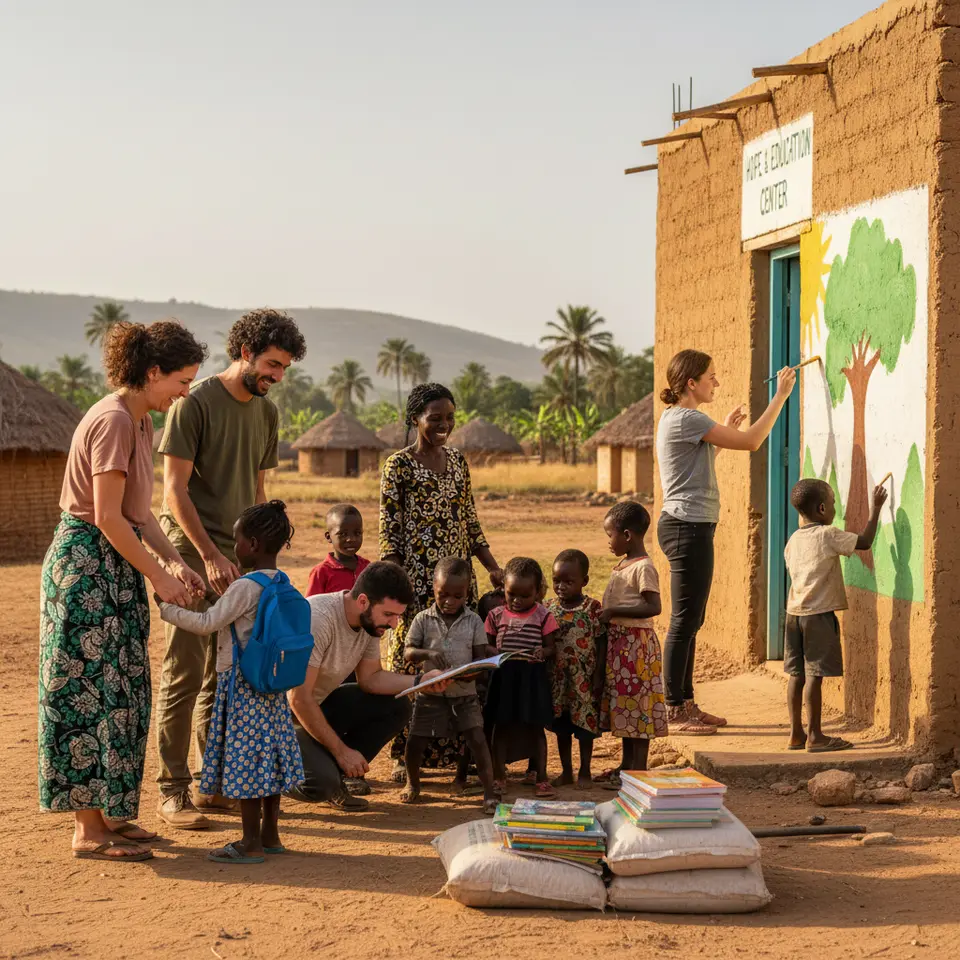
Volunteer travel has become a powerful way to explore new destinations while making a meaningful difference in communities that need support. In today’s digital world, many travelers are moving beyond traditional sightseeing and choosing experiences that promote cultural exchange, sustainable development, and personal growth. By contributing time and skills to areas like education, healthcare, and environmental conservation, volunteers build authentic connections and leave a lasting positive impact.
As global challenges such as climate change and resource scarcity continue to grow, volunteer travel helps bridge the gap between intention and real action. Instead of simply observing, travelers actively work with local communities, NGOs, and leaders to address real needs. With proper planning and responsible participation, this journey becomes a life-changing experience that benefits both travelers and the communities they serve.
Why Volunteer Travel Matters
Communities around the globe face diverse challenges that require tailored support. Volunteer Travel mobilizes skilled individuals to collaborate on projects addressing issues such as educational inequality, environmental degradation, and limited infrastructure. By partnering with local organizations, volunteers contribute to meaningful solutions like teaching language skills, building clean water systems, or restoring endangered habitats. Each effort creates a ripple effect—improving education, strengthening public health, and supporting long-term community development.
Beyond its impact on communities, Volunteer Travel also transforms the traveler. Immersing yourself in unfamiliar cultures builds empathy, adaptability, and intercultural understanding. Living and working alongside local families helps you experience traditions, values, and social systems firsthand. Many travelers return with a broader worldview, improved problem-solving skills, and a stronger sense of global responsibility. Even short journeys or Micro-Adventures within volunteer programs can deepen awareness and help travelers appreciate local lifestyles in meaningful ways.
Responsible Volunteer Travel also promotes ethical engagement and sustainability. Programs that prioritize community-led goals, transparency, and long-term outcomes ensure that support is truly effective. This approach allows local voices to guide decisions and ensures that efforts are respectful and impactful. In some regions, volunteers even help preserve cultural landmarks connected to UNESCO World Heritage sites, contributing to the protection of global history while supporting local communities.
Choosing the Right Volunteer Program
Aligning Your Skills and Interests
The cornerstone of any impactful volunteer travel experience is alignment between your abilities and the needs of host communities. Start by performing a self-assessment of your professional expertise, hobbies, and passions. Are you an experienced educator eager to enhance literacy? Do you possess medical training that could strengthen local healthcare services? Perhaps you’re skilled in construction, graphic design, or digital marketing. By matching your talents to project requirements, you maximize both the value you bring and your personal satisfaction.
Carefully review program descriptions to gauge expected responsibilities, daily schedules, and living conditions. Some organizations offer placements in rural villages teaching English or mathematics, while others coordinate conservation missions in protected reserves. Selecting opportunities that ignite your enthusiasm not only enriches the local initiative but also sustains your motivation throughout the journey.
Evaluating Credibility and Ethics
With the rise of voluntourism, vetting organizations has never been more important. Seek out programs accredited by reputable associations, such as the International Volunteer Programs Association (IVPA), and those that partner directly with local nonprofits or government bodies. Read independent reviews on platforms like GoAbroad and Idealist to learn from the experiences of past volunteers. Transparency around fee structures, safety protocols, and impact assessments signals an organization’s commitment to ethical practices.
Ethical volunteer travel prioritizes community leadership. Avoid one-size-fits-all schemes that impose external agendas without local input. Instead, look for initiatives that involve community members in project planning and decision-making. This collaborative approach fosters ownership, ensures cultural sensitivity, and builds resilience long after volunteers depart. By choosing a credible, community-driven program, you contribute to outcomes that are both meaningful and sustainable.
Top Destinations for Volunteer Travel in 2026
Education and Teaching Programs
Africa and Southeast Asia remain hotspots for educational volunteering this year (2026). In Kenya, rural primary schools welcome volunteers to deliver interactive English and STEM lessons, mentoring local teachers and organizing extracurricular workshops. Thailand’s after-school initiatives focus on literacy development, digital literacy, and creative arts. Volunteers collaborate with community educators to design lesson plans that resonate with students’ interests, enhancing engagement and learning outcomes.
For those passionate about higher education, universities and community colleges in countries like Ecuador and Nepal invite volunteers to conduct campus tours, career guidance sessions, and soft-skills workshops. Such programs enrich students’ horizons and foster international academic exchange.
Conservation and Wildlife Protection
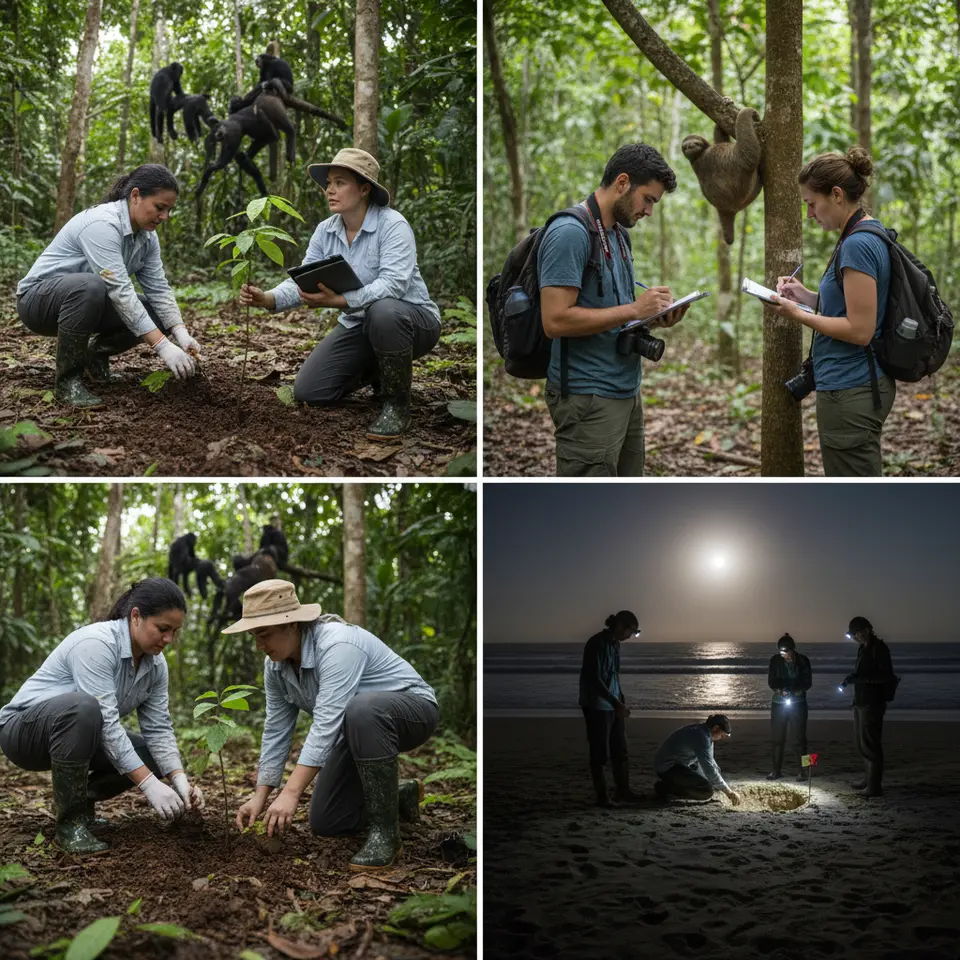
Conservation projects in Central and Southern America are in high demand among eco-conscious travelers. Costa Rica’s rainforest restoration efforts involve replanting native species, monitoring wildlife populations, and participating in sea turtle nesting patrols. South Africa offers anti-poaching support in wildlife reserves, where volunteers assist with habitat rehabilitation, community awareness campaigns, and data collection for research institutions like the African Wildlife Foundation (AWF).
In Australia, youth organizations coordinate reef maintenance initiatives around the Great Barrier Reef, engaging volunteers in coral transplantation and water quality monitoring. These projects appeal to nature enthusiasts and aspiring environmental scientists alike.
Community Development and Infrastructure
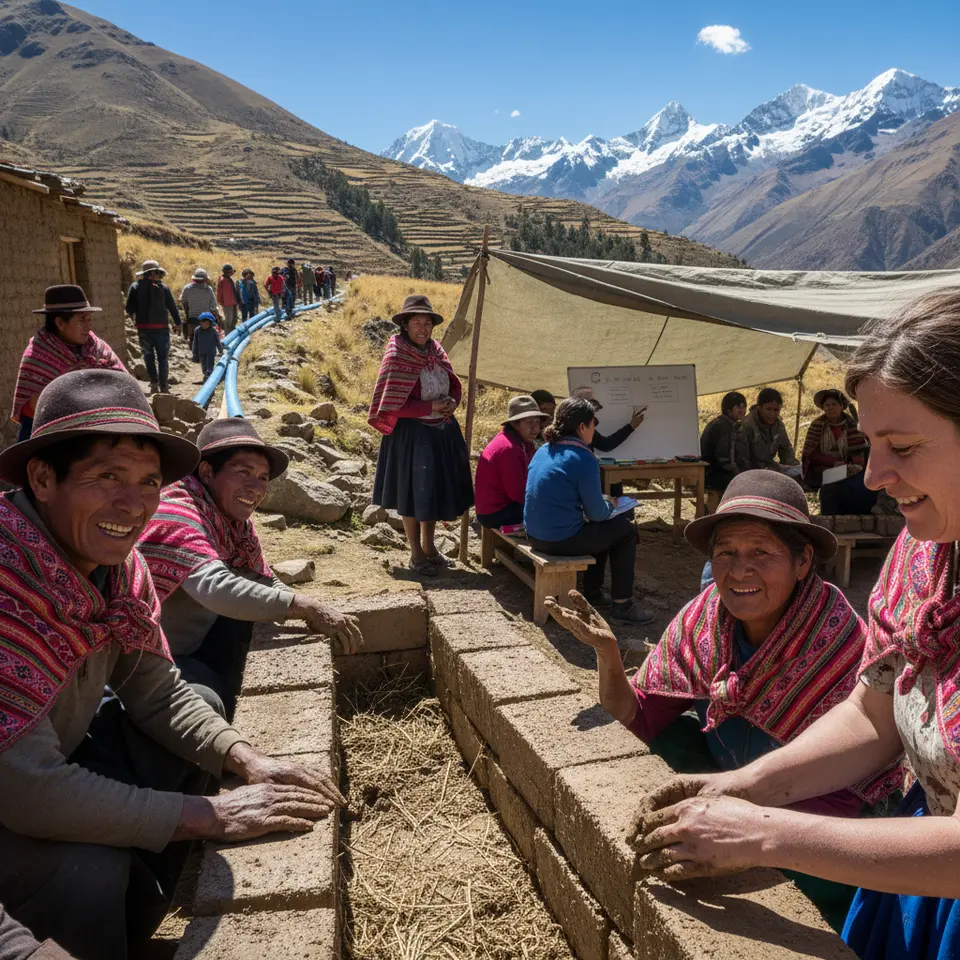
Peruvian villages in the Andes benefit from volunteers skilled in sustainable housing, water sanitation, and small-business training. Participants construct eco-friendly homes using locally sourced materials, install gravity-fed water systems, and host entrepreneur workshops to foster micro-enterprise growth. In Cambodia, volunteers restore historic temples, set up clean water pumps, and lead vocational skills training for youth. By focusing on infrastructure that addresses basic needs, these initiatives help communities thrive long term.
Preparing for Your Volunteer Trip
Health and Safety Considerations
A safe volunteer travel experience begins with thorough health preparations. Consult a travel medicine clinic at least eight weeks before departure to update routine vaccinations and obtain region-specific immunizations such as cholera, typhoid, or Japanese encephalitis. If you’re headed to malaria-endemic areas, follow Centers for Disease Control and Prevention guidelines and secure antimalarial prophylactics (source: CDC Travel Health).
Comprehensive travel insurance is essential. Confirm coverage for medical evacuation, trip interruption, and liability protection. Familiarize yourself with local emergency contacts and nearest medical facilities. Environmental risks—such as extreme heat, altitude, or wildlife encounters—demand proper gear. Pack sturdy footwear, sun protection, insect repellent, waterproof clothing, and a well-stocked first-aid kit. Adhering to safety protocols helps ensure a smooth and rewarding volunteer travel adventure.
Budgeting and Fundraising Tips
Volunteer programs typically charge participation fees covering accommodation, meals, and project resources. Costs can range from $800 to $2,500 for two-week placements, depending on location and support level. To manage expenses, begin by drafting a detailed budget that includes airfare, visa fees, insurance premiums, and daily living costs.
If personal funds are limited, explore fundraising methods that amplify your cause. Crowdfunding platforms like GoFundMe allow you to share your volunteer travel goals with friends, family, and social networks. Hosting local events—such as bake sales, charity runs, or silent auctions—can both raise funds and awareness. Additionally, research grants and scholarships offered by educational institutions, volunteer organizations, or governmental agencies. Proper budgeting and creative fundraising ensure you can embark on a volunteer travel journey without undue financial stress. Dig dipper : Travel Apps & Gadgets
Maximizing Your Impact and Cultural Engagement
Embracing Cultural Sensitivity and Ethical Practices
Meaningful volunteer travel requires respect for local customs and social norms. Invest time in learning basic greetings, etiquette, and cultural protocols. Dress modestly in accordance with community standards, and always ask permission before photographing individuals or sacred sites. Listening attentively to local leaders and mentors ensures that your efforts align with genuine priorities rather than personal agendas.
Avoid perpetuating stereotypes or imposing external values. Instead, foster mutual exchange: share your own experiences when appropriate, and celebrate traditional crafts, music, and cuisine. This reciprocal approach builds trust and deepens relationships, allowing communities to take pride in their heritage and volunteers to enjoy authentic cultural immersion.
Documenting and Sharing Your Journey
Keeping a reflective journal helps you capture daily insights, challenges overcome, and lessons learned. Photographic documentation—highlighting before-and-after views of construction or ecological restoration—provides compelling evidence of progress. When sharing your volunteer travel story on social media or personal blogs, prioritize community voices. Quote local partners and beneficiaries, share their successes, and attribute credit where it’s due. Ethical storytelling respects privacy, avoids sensationalism, and ultimately inspires others to participate responsibly.
Creating multimedia presentations for sponsors or future volunteers can further extend the impact of your journey. Collaborate with host organizations to distribute these materials through newsletters, community meetings, or educational forums. By disseminating authentic narratives and data-driven outcomes, you contribute to sustainable advocacy and encourage continued support for community-led initiatives.
Conclusion
Volunteer Travel is a powerful way to explore the world while making a real difference in communities through education, conservation, and development projects. It builds empathy, cultural understanding, and personal growth. Just like a Couples Travel Guide helps partners strengthen bonds through shared journeys, volunteer travel strengthens your connection with people and cultures worldwide. Even experiences like luxury treehouse retreats can complement such meaningful trips by offering rest after impactful work. Together, these travel styles create a balanced and transformative journey.
FAQs – Volunteer Travel
1. What is Volunteer Travel?
Volunteer Travel is a meaningful form of travel where individuals visit different countries or regions to support local communities through service-based projects. Instead of only sightseeing, travelers actively participate in activities like teaching, conservation, healthcare support, or infrastructure development while also experiencing local culture.
2. Why is Volunteer Travel important?
Volunteer Travel is important because it creates a direct connection between travelers and communities in need. It helps address social and environmental challenges while promoting cultural understanding, global awareness, and responsible tourism that benefits both visitors and host communities.
3. How does Volunteer Travel benefit travelers?
Volunteer Travel benefits travelers by developing empathy, communication skills, adaptability, and cultural sensitivity. It also provides personal growth opportunities, as travelers learn to work in new environments, solve real-world problems, and gain a deeper appreciation of global diversity.
4. How is Volunteer Travel different from regular tourism?
Unlike traditional tourism, Volunteer Travel focuses on contribution rather than consumption. Instead of only visiting attractions, travelers actively engage in community work and sustainable projects, making their journey more impactful and purpose-driven.
5. Can couples do Volunteer Travel together?
Yes, couples can absolutely participate in Volunteer Travel together. Many programs welcome partners who want to share meaningful experiences while contributing to social causes. It can also strengthen relationships in the same way a Couples Travel Guide emphasizes bonding through shared travel experiences and teamwork.
6. What are the best destinations for Volunteer Travel?
Popular Volunteer Travel destinations include countries in Africa, Southeast Asia, and South America. These regions often offer opportunities in education, wildlife conservation, and community development, allowing travelers to make a meaningful impact while exploring rich cultural environments.
7. How do I choose a Volunteer Travel program?
When selecting a Volunteer Travel program, it is important to check the organization’s credibility, transparency, and ethical practices. Choose programs that work closely with local communities, clearly explain their fees, and focus on long-term sustainable impact rather than short-term tourism benefits.
8. Is Volunteer Travel expensive?
The cost of Volunteer Travel varies depending on location, program type, and duration. While some programs include accommodation and meals, travelers should also budget for flights, insurance, and personal expenses. However, many organizations offer affordable options or fundraising support.
9. What skills are needed for Volunteer Travel?
Different Volunteer Travel programs require different skills. Teaching, healthcare, construction, environmental awareness, and digital skills are commonly in demand. However, many programs also accept beginners, as training and guidance are often provided on-site.
10. Is Volunteer Travel safe?
Yes, Volunteer Travel is generally safe when organized through reputable organizations. Travelers should follow health guidelines, secure travel insurance, and stay informed about local conditions. Proper preparation ensures a secure and rewarding experience abroad.
11. Can Volunteer Travel include luxury experiences?
Yes, some travelers combine Volunteer Travel with comfort-based stays such as luxury treehouse retreats after completing projects. This creates a balanced experience where meaningful work is followed by relaxation in unique and comfortable environments.
12. How can Volunteer Travel create long-term impact?
Volunteer Travel creates long-term impact by supporting sustainable community projects, empowering local leaders, and promoting education and development. When done ethically, it ensures that benefits continue even after volunteers return home, leaving a lasting positive legacy.