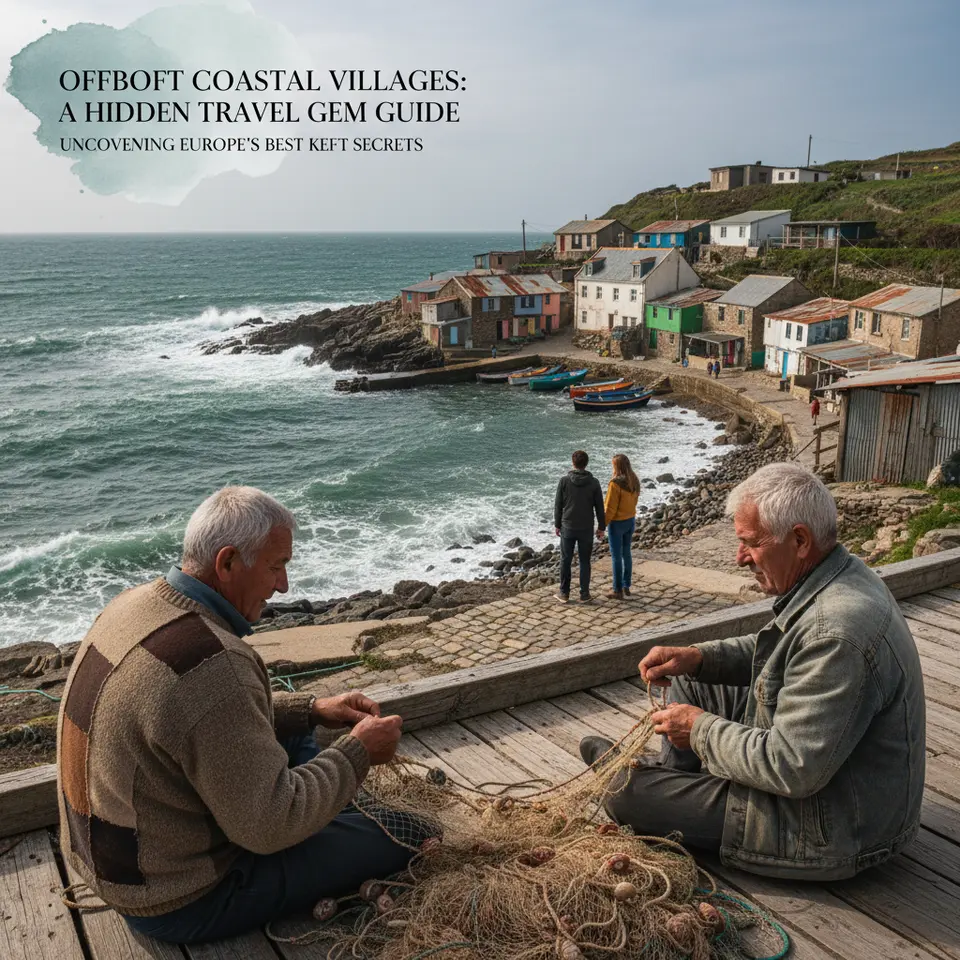
In today’s digital landscape, travelers are seeking experiences off the beaten path. Among the most captivating choices are offbeat coastal villages, where authentic culture, secluded beaches, and vibrant traditions converge. Unlike bustling resort towns, these hidden gems offer a glimpse into local life, from family-run eateries to age-old fishing practices. Whether you crave dramatic cliffs draped in colorful houses or serene black sand shores, these destinations promise memories far from any crowded marina.
As of this year, adventurers can discover tranquil harbors, untouched coves, and timeworn lanes that tell stories centuries old. From Europe’s rugged shorelines to Asia’s pristine bays and Oceania’s sun-drenched archipelagos, every village has its unique rhythm and flavor. You’ll wander down cobblestone alleys, sample freshly caught seafood, and witness breathtaking sunsets far from city lights. This guide delves into several remarkable spots, exploring how each locale blends natural beauty with cultural depth. We’ll also cover practical advice for planning your journey, including sustainable travel tips, seasonal considerations, and how to connect with welcoming communities.
Whether you’re a solo explorer, a couple seeking romance, or a family craving a meaningful retreat, offbeat coastal villages offer an escape that resonates long after the journey ends. Let’s embark on a voyage where every wave, every handshake, and every dish tells a story of place and tradition.
Discover Europe’s Hidden Shores
Cudillero, Spain
Nestled on the wild Asturian coastline, Cudillero charms visitors with its steep terraces of vibrantly painted homes that surround a small fishing harbor. Wandering through winding lanes, travelers discover family-run tabernas serving signature bean stews—local fabada—paired with freshly caught shellfish. As dusk settles, head to the Mirador de la Garita viewpoint to watch golden light dance off the Cantabrian Sea. During quieter months, this village feels entirely your own, making it a standout among Europe’s offbeat coastal villages.
Azenhas do Mar, Portugal
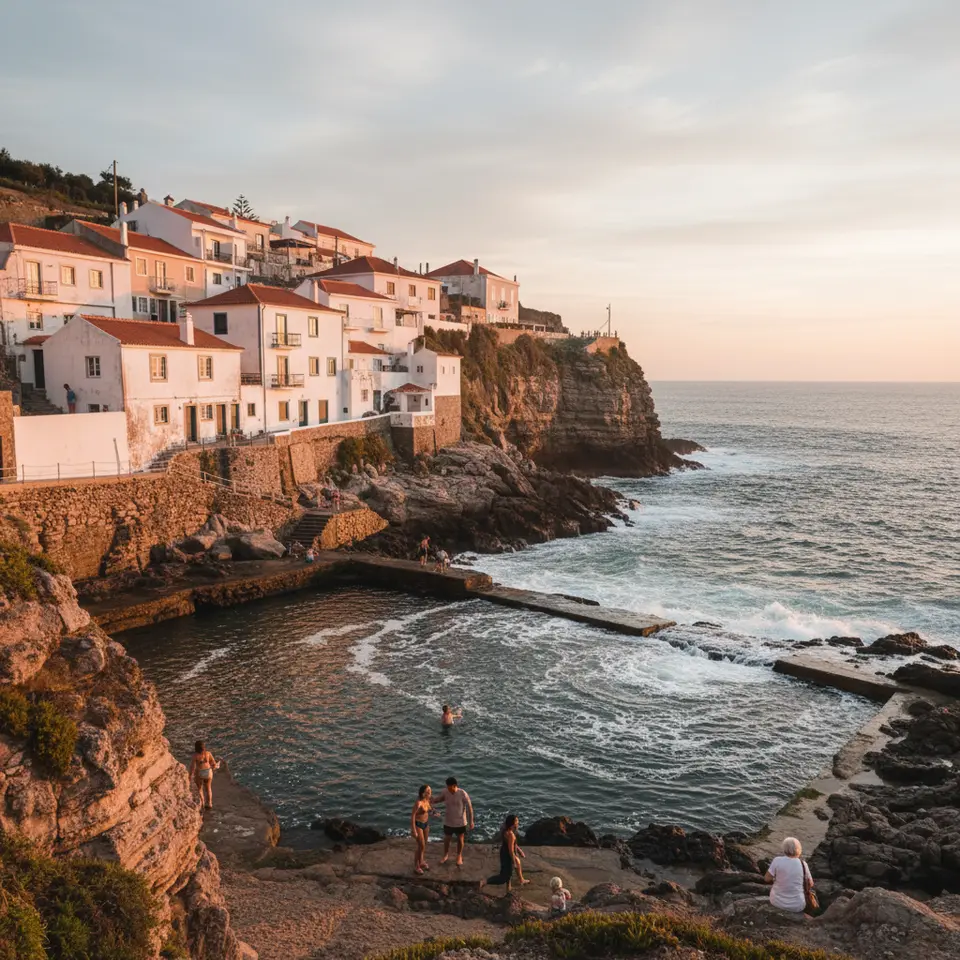
Perched precariously atop limestone cliffs just west of Lisbon, Azenhas do Mar unfolds like a postcard come to life. Whitewashed cottages cascade toward a naturally carved swimming pool, where Atlantic waves gently lap volcanic rock walls. Enjoy grilled sardines and custardy pastel de nata in cliffside cafés before tackling the coastal trail that leads to Praia das Maçãs. Photographers and wanderers alike will find magic in the pink and orange hues that paint late afternoons here.
Port Isaac, England
On Cornwall’s rugged northwest edge, Port Isaac remains steadfastly authentic despite its fame as a filming location for the series “Doc Martin.” Slate-roofed cottages line narrow alleys that slope toward a sheltered cove, where crabbers haul pots brimming with fresh crustaceans. Local artisans display handcrafted souvenirs in tucked-away boutiques, while cozy pubs offer homemade seafood pies by roaring fires—especially comforting when blustery seas crash against the rocks.
Rovinj, Croatia
With its Venetian-inspired Old Town rising from the Adriatic, Rovinj captivates visitors through layers of history and seaside elegance. The Baroque spire of St. Euphemia’s Church dominates terracotta rooftops, guiding you through veined cobblestones to waterfront gelato shops and fishing docks. Adventurous travelers can launch kayaks to explore nearby islets or pedal through fragrant pine forests in the Zlatni Rt Nature Park. Seasonal Malvazija wine tastings and truffle hunts further enrich the experience.
Collioure, France
Bordering Spain on the Côte Vermeille, Collioure lured painters such as Matisse and Derain with its pastel façades and medieval fortifications. Today, art galleries mingle with sun-soaked bistros pouring local Banyuls wine, and narrow lanes lead to a castle that juts into the Mediterranean. Paddleboarders can glide above submerged ruins while vineyard paths above the village reward hikers with sweeping vistas of terracotta rooftops and sapphire waters.
Asian and Oceania Gems
Shirahama, Japan
Japan’s Wakayama coast hides Shirahama, a village famed for its sugar-white sands and onsen culture. The name itself—“white beach”—perfectly captures the luminous arc of coastline that sweeps around Sagami Bay. Visitors can soak in open-air hot spring baths overlooking the Pacific, then explore marine life at the local aquarium or cruise through safari enclosures at Adventure World. Traditional ryokan invite you to savor multi-course kaiseki meals in lacquered pomegranate bowls, while nearby Kumano Kodo trails offer spiritual hikes past ancient shrines carved into coastal cliffs.
Hahei, New Zealand
On the eastern edge of New Zealand’s Coromandel Peninsula, Hahei unfolds as a laid-back enclave of golden shores and verdant forests. The 45-minute trail to Cathedral Cove rewards hikers with a limestone archway opening onto crystalline waters, perfect for snorkeling amid schools of tropical fish. Kayak excursions guide adventurers through hidden coves, and at low tide, geothermal springs bubble beneath the sand at Hot Water Beach. Eco-focused operators emphasize low-impact tours, ensuring this slice of paradise remains pristine.
Across these regions, offbeat coastal villages share a harmonious balance between nature and culture, drawing inspiration from ancestral seafaring industries and deep-rooted spiritual beliefs. In Shirahama, geothermal activity fuels communal hot springs that have soothed travelers for centuries, while in Hahei, indigenous Māori legends still shape coastal rituals and environmental stewardship. Officials from the National Oceanic and Atmospheric Administration highlight how protecting marine biodiversity in these areas is essential, not only for local livelihoods but also for sustaining visitor experiences that rely on vibrant underwater ecosystems.
Seasonal rhythms play a pivotal role in Asia and Oceania. Cherry blossoms in southern Japan coincide with shrine festivals that draw local musicians and food vendors, while summer sunshine in New Zealand invites days spent snorkeling, hiking, and stargazing in nearly untouched parks. Travelers can plan their visits around these cycles to witness cultural highlights and natural displays that few guidebooks emphasize. By choosing these destinations, adventurers embrace a slower, more mindful pace, where each sunrise feels like a private unveiling of coastal secrets.
The Unique Icelandic Escape

Further north, nestled below imposing sea cliffs, Vík í Mýrdal offers an otherworldly retreat far removed from tropical shores. Its famous black-sand beach, Reynisfjara, is sculpted by volcanic forces over millennia, creating striking contrasts between the coal-dark shore and foaming Atlantic waves. Monolithic basalt columns rise like ancient sentinels at the water’s edge, inviting visitors to marvel at nature’s raw artistry. Whether you’re a geology buff or simply love dramatic scenery, Vík stands out among offbeat coastal villages for its elemental power.
When summer sun bathes the landscape, seabirds flock to carve nests in towering cliff faces. Puffins dart between rock ledges, their colorful beaks adding splashes of orange to grey stone. Offshore, the Reynisdrangar sea stacks pierce the horizon, legends of old suggesting they were once trolls turned to rock by dawn’s first light. Today, boat tours depart from the nearby harbour, offering vibrant views of marine life and bird colonies that few other coastal villages can match.
For those seeking subterranean adventure, guided tours of nearby lava caves weave through tunnels forged by ancient eruptions. Historic pathways lead inland to Skógafoss, a thundering waterfall that cascades over moss-covered cliffs. Adventurers can hike behind its curtain of mist or ascend a staircase to the top for panoramic scenes that stretch to the horizon. This combination of coastal and volcanic landscapes creates an unparalleled playground for explorers in today’s travel landscape.
Adding to the village’s charm is the understated Chapel Vík, a minimalist concrete structure perched on a hill overlooking the sea. On clear days, its simple design frames vistas of rolling black beach and soaring cliffs. At night, crisp air and minimal light pollution transform the sky into a canvas glittering with stars, making Vík a prime location for witnessing the Northern Lights in winter, though darkness and stormy weather demand careful planning.
Planning Your Offbeat Coastal Adventure

Thoughtful planning transforms a simple journey into an immersive odyssey. Below are key considerations to ensure smooth travel to offbeat coastal villages while fostering respect for local communities and ecosystems.
Timing Your Visit
Opt for shoulder seasons—spring and autumn—when mild temperatures meet thinner crowds. Many villages lower rates and maintain full services, making this time ideal for offbeat coastal villages. Check local festival calendars for cultural highlights such as seafood fests or craft fairs, and avoid major holidays to secure the best accommodations and authentic encounters.
Getting Around
Public transport networks may be limited, so renting a compact car, scooter, or bicycle offers enhanced flexibility on winding roads. Ensure your vehicle meets insurance requirements and local regulations. Some villages also offer community shuttle services; inquire ahead to align schedules and support shared mobility solutions that curb emissions.
Cultural Preparedness
Learning basic phrases in local languages fosters goodwill and opens doors to memorable interactions. Even simple greetings or expressions of gratitude can lead to invitations into family-run homes or workshops. Research village customs, dress codes, and culinary etiquette to demonstrate respect for traditions and norms.
Packing Essentials
Coastal climates can shift rapidly. Pack waterproof layers, sturdy walking shoes, and a light windbreaker for cliffside breezes. A reusable water bottle and biodegradable toiletries reduce single-use waste, while a universal travel adapter ensures uninterrupted power for cameras or laptops if you plan to work remotely.
Responsible Travel
Support small businesses by dining at local cafes, purchasing handcrafted souvenirs, and choosing homestays or family-run inns. Respect wildlife habitats by following designated trails and adhering to guidelines from environmental agencies. By traveling consciously, you contribute directly to conservation efforts and champion the enduring spirit of these communities.
Staying Connected
While offbeat coastal villages offer welcome solitude, staying connected can be essential for safety and remote work. Research data packages or local SIM options before departure, and verify Wi-Fi availability. Community-run cafés often provide reliable internet, and some eco-lodges incorporate satellite connections. Always keep digital copies of travel documents backed up in secure cloud storage to ensure peace of mind during your journey.
Conclusion
Offbeat Coastal Villages offer a rare opportunity to experience authentic culture, untouched nature, and peaceful coastal living far from crowded tourist spots. These hidden gems allow travelers to slow down, connect with local traditions, and enjoy meaningful journeys along quiet shorelines. Just like exploring Secret Rooftop Bars reveals hidden city nightlife from above, and Night City Safaris uncover the vibrant energy of urban landscapes after dark, offbeat coastal villages showcase the calm and raw beauty of coastal life. Together, these unique travel experiences redefine modern exploration in today’s digital travel era.
FAQs – Offbeat Coastal Villages
1. What are Offbeat Coastal Villages?
Offbeat Coastal Villages are lesser-known seaside destinations that preserve local traditions, natural beauty, and peaceful environments away from mass tourism.
2. Why should I visit Offbeat Coastal Villages?
You should visit Offbeat Coastal Villages to experience authentic culture, scenic landscapes, and a slower, more meaningful travel experience.
3. How are Offbeat Coastal Villages different from tourist beaches?
Unlike tourist beaches, Offbeat Coastal Villages are less crowded, more traditional, and offer deeper cultural interactions with local communities.
4. What activities can I do in Offbeat Coastal Villages?
You can enjoy fishing experiences, local food tasting, village walks, coastal hiking, and cultural festivals.
5. Are Offbeat Coastal Villages safe for travelers?
Yes, most Offbeat Coastal Villages are safe, especially when travelers respect local rules, customs, and travel responsibly.
6. What is the best time to visit Offbeat Coastal Villages?
Spring and autumn are ideal for visiting Offbeat Coastal Villages due to mild weather, fewer crowds, and better travel conditions.
7. How are Secret Rooftop Bars related to travel experiences?
Like Offbeat Coastal Villages, Secret Rooftop Bars offer hidden and unique experiences, but in urban nightlife settings instead of coastal areas.
8. What are Night City Safaris?
Night City Safaris are guided tours that explore cities after dark, showcasing nightlife, lights, and urban culture in a unique way.
9. Can Offbeat Coastal Villages support eco-tourism?
Yes, Offbeat Coastal Villages often support eco-tourism through sustainable practices, local businesses, and nature conservation efforts.
10. Who should explore Offbeat Coastal Villages?
Anyone seeking peace, culture, nature, or unique travel experiences—including solo travelers, couples, and adventure seekers—can enjoy Offbeat Coastal Villages.