



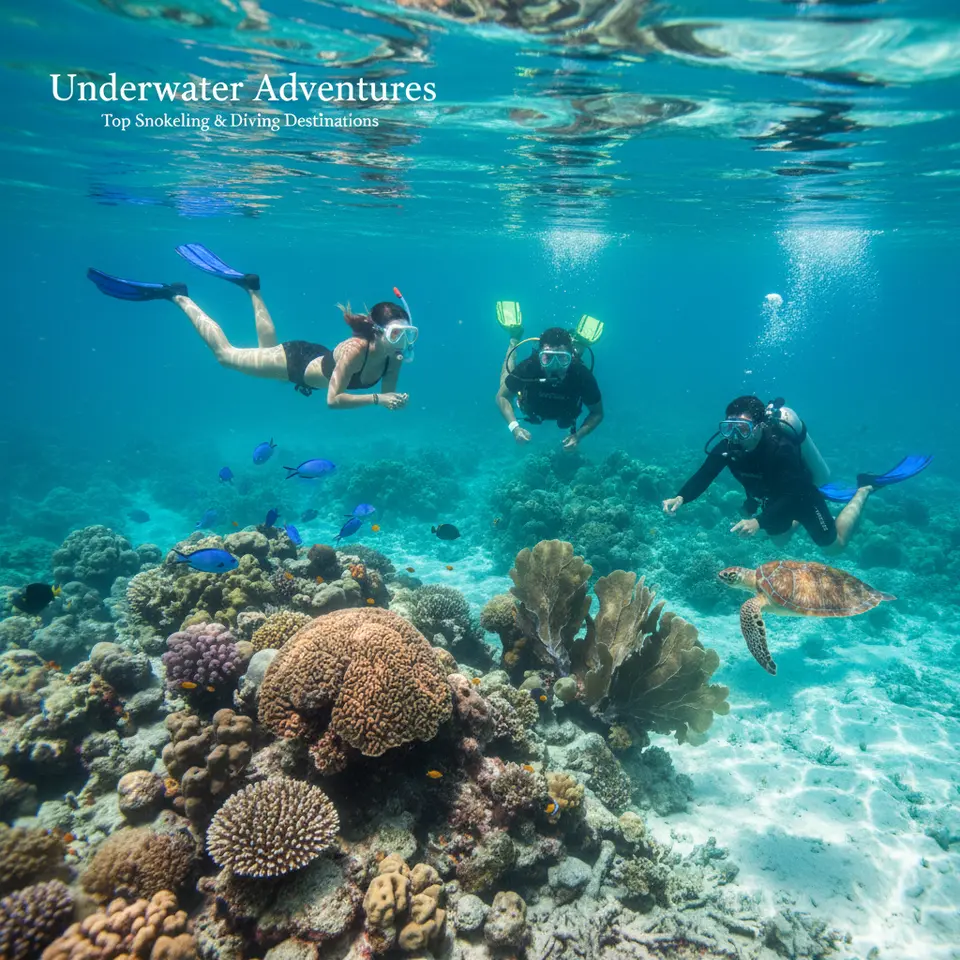
Embark on unforgettable underwater adventures that reveal the ocean’s hidden treasures in today’s digital landscape. From the kaleidoscopic coral gardens of Australia to the mysterious sinkholes of Central America, each marine sanctuary offers an invitation to explorers craving both adrenaline and serenity.
Currently, travelers are seeking immersive experiences that combine ecological richness with responsible tourism, and this guide will navigate you through the world’s most iconic snorkeling and diving destinations. This year, the focus remains on sustainable practices, cutting-edge gear, and expert training to ensure your journey beneath the waves is as safe as it is spectacular.
The Great Barrier Reef: A Spectrum of Corals and Creatures
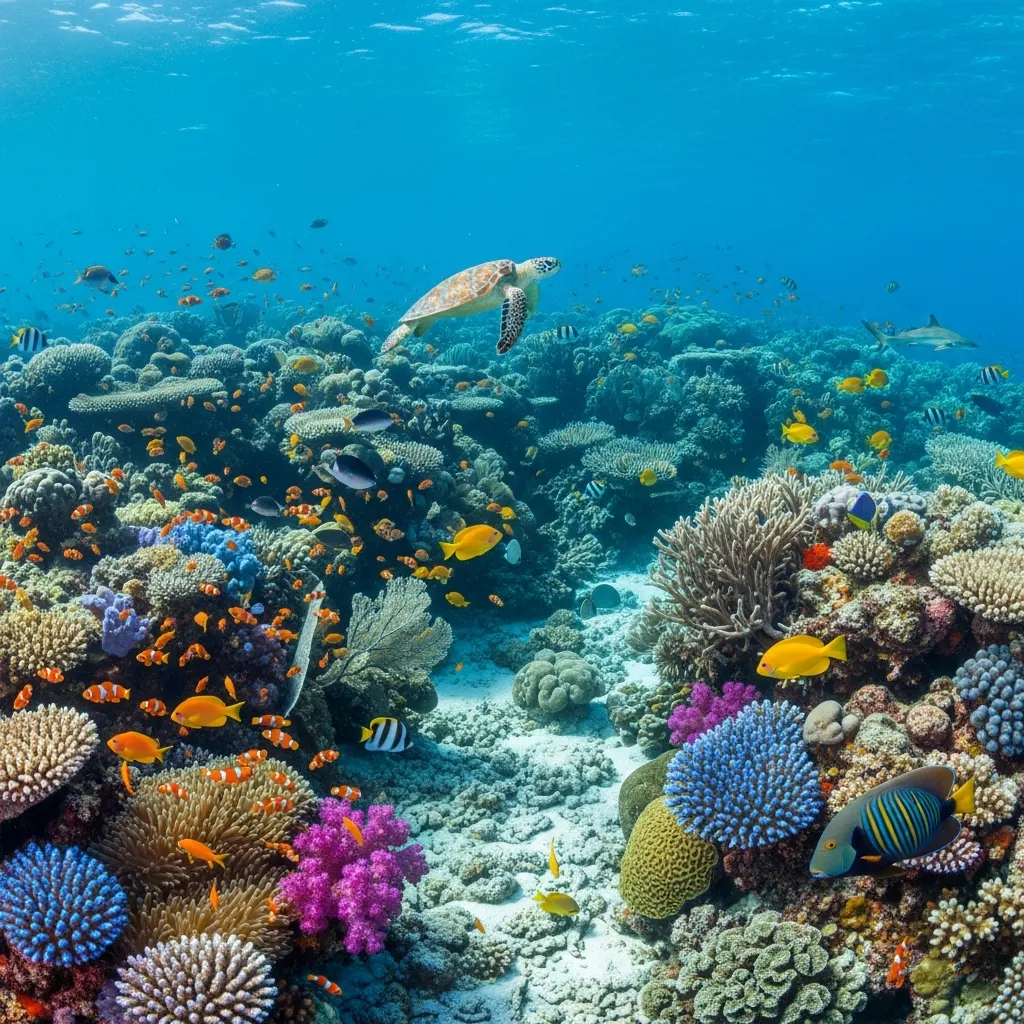
Stretching more than 2,300 kilometers along Queensland’s northeastern coast, the Great Barrier Reef stands as an emblem of marine biodiversity and a premier destination for underwater adventures. This UNESCO World Heritage site UNESCO hosts an astonishing array of life forms: branching staghorn corals, majestic manta rays, sea turtles gliding through azure waters, and an endless parade of tropical fish. The reef’s complex structure is made up of over 3,000 individual coral reefs and 900 islands, creating a labyrinth of channels, lagoons, and bommies to explore. Snorkelers can drift atop shallow flats near Cairns or Port Douglas, admiring colorful soft corals and curious clownfish. Meanwhile, certified divers venture deeper to discover dramatic caverns, underwater plateaus, and the legendary Cod Hole, where massive potato cod congregate in numbers large enough to rival any terrestrial wildlife spectacle.
Optimal Conditions and Seasonal Highlights
Currently, the best window to visit is between June and October, when the reef enjoys its clearest waters and cooler air temperatures. During this period, visibility often exceeds 25 meters, making it ideal for both photography and visual navigation. Water temperatures range from 24°C to 28°C, reducing the need for bulky thermal protection. Travelers should monitor occasional stinger seasons and use protective stinger suits in certain northern sectors. By booking through eco-certified operators who adhere to a no-anchor policy and practice strict waste management, you help preserve this delicate ecosystem for future generations.
Guided Tours and Certification Options
If you are new to diving, introductory snorkel safaris and Discover Scuba programs offer supervised experiences that build essential skills on the spot. For serious divers, a PADI Open Water Diver course or SSI certification lays the groundwork, while Advanced Open Water and specialty certifications—such as Deep Diver or Underwater Photography—unlock access to more challenging dive sites. Local dive shops often bundle certification with guided boat trips, allowing you to apply new techniques immediately under professional supervision. In today’s digital landscape, many outfits provide smart dive computers that log your depth, dive time, and decompression stops, enhancing safety and creating digital dive logs to share with friends and family.
Conservation Efforts and Research Initiatives
Protecting the Great Barrier Reef is a collaborative effort between government bodies, nonprofit organizations, and research institutions. Support initiatives funded by the National Oceanic and Atmospheric Administration and the Australian Institute of Marine Science, which conduct vital coral health assessments and develop restoration strategies such as larval reseeding. By choosing tour operators that contribute to reef monitoring programs, you engage directly in conservation and help secure the reef’s future. Every dive or snorkel trip today contributes to a broader understanding that shapes management policies and stewardship practices for decades to come.
Maldives Atolls: Crystal Lagoons and Vibrant Reefs
Nestled in the heart of the Indian Ocean, the Maldives archipelago comprises nearly 1,200 islands forming a necklace of coral atolls that beckon snorkelers and divers seeking unparalleled underwater adventures. Clear turquoise lagoons, house reefs accessible directly from resort shores, and nutrient-rich channels support an abundance of marine life—silky reef sharks gliding along sandy bottoms, sociable manta rays dancing in cleaning stations, and sea turtles foraging among seagrass beds. With consistently warm water temperatures hovering around 27–30°C, the Maldives remains a year-round destination for aquatic explorers.
Optimal Timing and Environmental Considerations
Currently, the southwest monsoon (May to November) brings calmer seas and enhanced visibility, while the northeast trade winds (December to April) can introduce plankton blooms that attract whale sharks. Choose your travel window based on desired wildlife encounters and diving conditions. To ensure minimal impact, select operators that implement reef-safe practices: avoid handling corals, maintain neutral buoyancy, and use reef-friendly sunscreen free of oxybenzone and octinoxate. Such measures align with guidelines published by reputable institutions like the Maldives Marine Research Institute.
Training, Equipment, and Safety
Whether you are dipping your fins into crystal waters for the first time or aiming to tally your 100th dive, proper certification remains essential. Local dive centers offer PADI and SSI courses, from basics to specialties like Nitrox or drift diving. Equipment rental typically includes modern regulators, buoyancy control devices, and well-maintained tanks. Many centers now provide dive computers and underwater cameras with housings, so you can document your underwater adventure effortlessly. Remember to book a briefing on local currents, marine regulations, and first-aid procedures to dive confidently and responsibly.
Conservation and Community Engagement
Supporting marine conservation in the Maldives often means participating in coral planting workshops or citizen-science programs that record coral bleaching and marine mammal sightings. Resorts and dive operators increasingly collaborate with NGOs such as the Marine Conservation Society to conduct reef surveys and beach cleanups. By opting for eco-conscious tours and accommodations, you contribute to the preservation of these delicate ecosystems. In today’s digital landscape, many dive centers also offer virtual seminars on ocean conservation, ensuring that guests remain informed and engaged even after their trip concludes.
Palau’s Marine Maze: From Jellyfish Lakes to WWII Wrecks
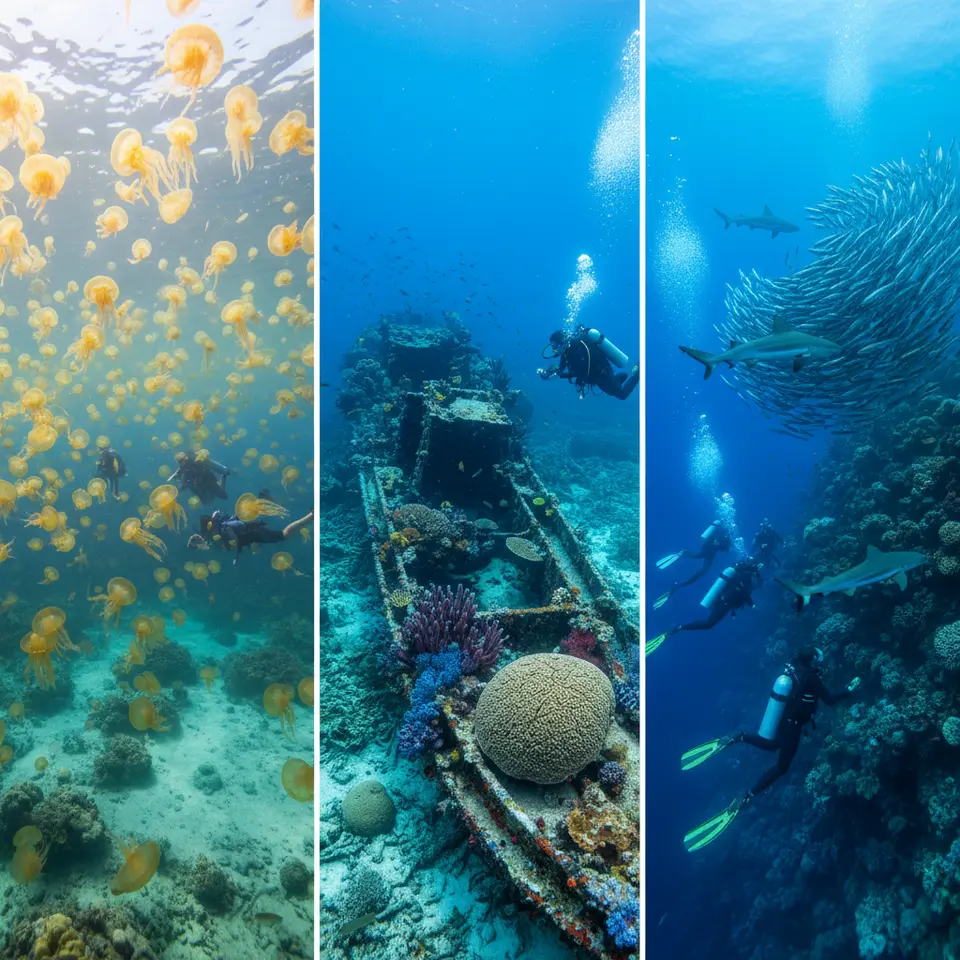
Palau, an archipelago of over 500 islands in the western Pacific, presents a tapestry of underwater adventures unmatched in biodiversity and historical intrigue. Snorkelers find themselves drifting through Jellyfish Lake, where millions of harmless golden jellyfish pulse through sunlit waters in a surreal ballet. Certified divers venture to German Channel to encounter graceful manta rays as they perform somersaults at coral cleaning stations or explore WWII wrecks in Peleliu, where sunken Japanese warships sit encrusted with vibrant sponges and technicolor corals. The iconic Blue Corner offers adrenaline-charged drift dives along sheer drop-offs, drawing schools of barracuda, reef sharks, and silver jacks in a swirling underwater spectacle.
Seasonal Highlights and Water Conditions
Currently, the prime time to visit Palau falls between November and May, when winds are light, water temperatures average 28°C, and currents are generally moderate. Visibility frequently surpasses 30 meters, allowing for expansive views of underwater landscapes. While drift dives deliver thrilling encounters, guides will brief you on current patterns and safety protocols to ensure your journey into the marine maze is seamless and secure.
Conservation Initiatives and Community Involvement
Palau has gained global recognition for its pioneering conservation efforts, including the establishment of the world’s first shark sanctuary and the Protected Areas Network. Dive operators align with the Palau International Coral Reef Center to support reef monitoring, coral restoration projects, and community education programs. By choosing eco-certified tours that emphasize sustainable practices—such as reef-safe sunscreen, zero-waste policies, and no-touch protocols—you contribute to protecting these fragile habitats for generations to come.
Training and Equipment Essentials
Whether you’re a novice looking to complete your Open Water Diver certification or an experienced explorer seeking advanced specialty dives, Palau’s dive shops offer PADI and SSI courses tailored to varied skill levels. Essential gear includes a reliable BCD, dive computer with current-tracking features, and a conservative Thermal Protection System for cooler currents at deeper sites. Many centers also rent high-quality underwater camera housings, making it easy to capture close-up encounters with macro subjects like pygmy seahorses or reef lobsters.
Unique Cultural and Land-Based Experiences
Beyond the reefs, Palau’s land-based attractions enrich your adventure. Walk through limestone forests and mangrove channels, visit traditional Bai meeting houses, or learn local conservation practices from village elders. By integrating cultural experiences with underwater exploration, you gain a holistic understanding of Palau’s commitment to stewardship and respect for marine resources. In today’s digital landscape, virtual lectures by Palauan marine scientists are also available, enriching your knowledge before you even set foot on the islands.
Galápagos Depths: Encounters with Giants in Open Ocean
Renowned for its unique terrestrial wildlife, the Galápagos archipelago also offers some of the most thrilling underwater adventures on the planet. Located at the confluence of major ocean currents, this UNESCO World Heritage site unesco supports a mosaic of marine habitats—from volcanic pinnacles and submarine cliffs to upwelling zones teeming with nutrients. Divers flock to Darwin and Wolf Islands, where massive schools of scalloped hammerhead sharks patrol the blue depths, often accompanied by curious whale sharks and sea turtles grazing on jellyfish blooms. The nutrient-rich waters attract manta rays, silky sharks, and vast schools of schooling fish, creating a dynamic underwater scene that defies expectations.
Timing Your Expedition
Currently, the year-round equatorial climate keeps water temperatures stable between 18°C and 25°C, though thermoclines can introduce cooler layers, especially around Darwin and Wolf. Peak big-animal sightings occur from June to November during the dry season, when nutrient upwelling intensifies. Liveaboard vessels operate on a seasonal schedule, offering itineraries that combine 12 to 15 dives over 7 to 10 days, enabling divers to fully immerse themselves in the remote marine preserve.
Conservation and Research Collaborations
The Charles Darwin Foundation leads scientific studies on coral resilience and marine biodiversity in collaboration with the Galápagos National Park Service. By selecting operators that contribute a portion of fees to conservation efforts and park entrance permits, you directly support ongoing research and preservation initiatives. Ethical diving practices—such as maintaining a safe distance from wildlife, avoiding contact with the seafloor, and using biodegradable reef creams—help minimize your footprint during each underwater adventure.
Training Opportunities and Equipment Logistics
Given the challenging currents and depth ranges at Darwin and Wolf, advanced certification is highly recommended. Most liveaboards require divers to hold at least an Advanced Open Water certificate or equivalent. Essential equipment includes a reliable dive computer with multi-gas capabilities, redundant air sources for deeper dives, and surface marker buoys for drift scenarios. Some vessels also provide nitrox fills to extend bottom times and reduce nitrogen narcosis risk.
Beyond the Water: Land-Based Encounters
Between dives, excursions to volcanic islands offer remarkable wildlife sightings—giant tortoises roaming dry highlands, blue-footed boobies performing courtship dances, and endemic iguanas foraging on coastal lava flows. These terrestrial adventures complement your underwater experiences, highlighting the interconnectedness of Galápagos ecosystems. In today’s digital landscape, many liveaboards and eco-lodges offer online briefings and virtual reality previews of dive sites, ensuring you arrive prepared and excited for every plunge.
Belize Barrier Reef and the Great Blue Hole: Geological Wonders Beneath the Surface
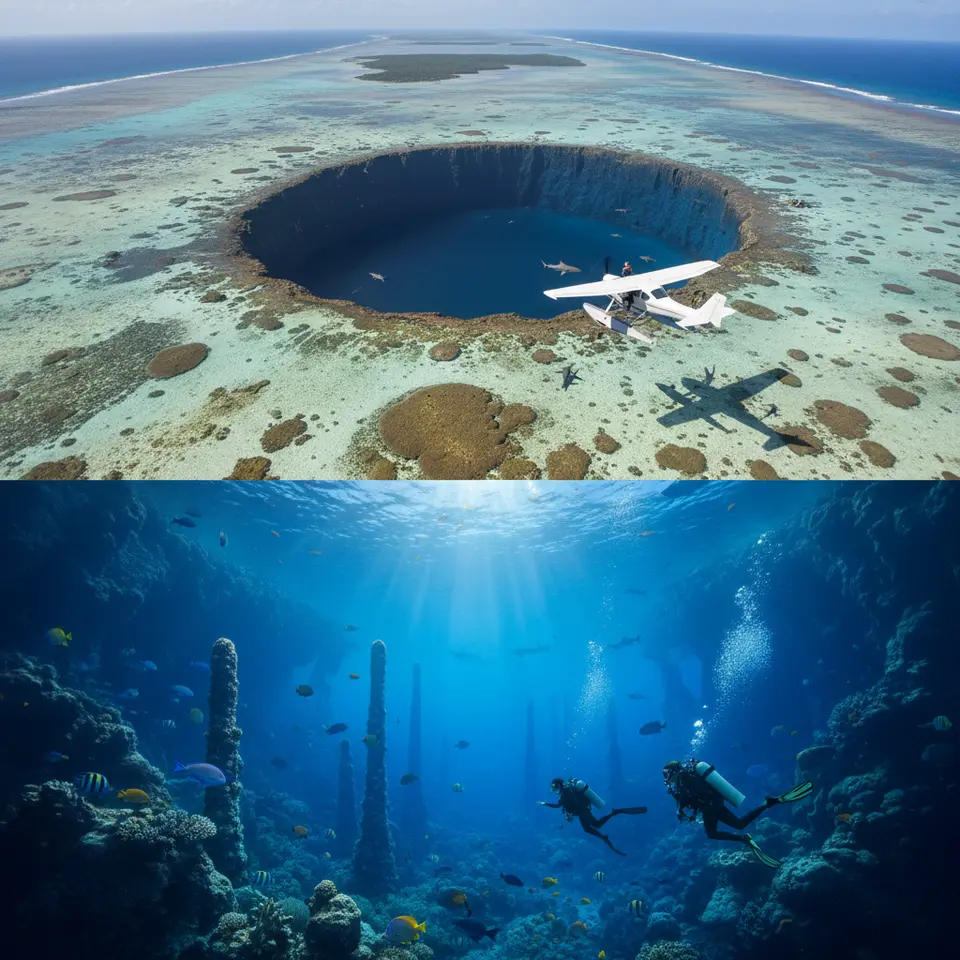
The second-largest barrier reef system in the world, the Belize Barrier Reef spans over 300 kilometers of coastline and forms a vibrant backdrop for unforgettable underwater adventures. Snorkelers can explore shallow reef flats flush with brain coral, elkhorn formations, and schools of angelfish near islands like Ambergris Caye and Caye Caulker. For certified divers, the legendary Great Blue Hole awaits—a colossal marine sinkhole nearly 300 meters across and over 120 meters deep. Descending its steep walls reveals fossilized stalactites, a silent testament to ancient sea-level shifts, and the occasional reef shark patrolling the outer rim. Read for more details : Offbeat Coastal Villages
Visibility and Seasonal Conditions
Visibility in the dry season (February to June) often exceeds 30 meters, offering crystal-clear views of the Blue Hole’s vertical chambers and the reef’s intricate coral architecture. Water temperatures hover between 26°C and 29°C, making a thin wetsuit or rashguard sufficient protection. Dive operators from Ambergris Caye typically arrange full-day trips that combine two reef dives with a Blue Hole excursion, maximizing your time underwater during pitch-black depths and shallower coral gardens.
Certification, Safety, and Equipment
While the Blue Hole’s maximum depth of 40 meters makes it suitable only for advanced divers, the surrounding reef sites—such as Half Moon Caye and Mexico Rocks—welcome all certification levels. Local dive shops provide PADI Advanced Open Water and Deep Diver courses, ensuring divers understand decompression theory, gas management, and emergency procedures. Essential gear includes a dive computer with depth alerts, a redundant safety bottle, and a dive light to illuminate overhangs and crevices. Service stations on Caye Caulker and Ambergris Caye also offer quick equipment checks and nitrox fills to extend your bottom time safely.
Marine Conservation and Community Participation
Belize’s marine reserves are managed by the Belize Fisheries Department in collaboration with organizations like the Wildlife Conservation Society. By enrolling in citizen-science initiatives—such as reef surveys or turtle monitoring—you help collect critical data for habitat protection. Choose eco-friendly operators that practice mooring buoy usage to avoid anchor damage and enforce strict no-touch policies for both corals and wildlife. Supporting the Belize Barrier Reef Reserve System’s conservation fee ensures resources are allocated to patrols and scientific research, safeguarding the reef for generations ahead.
Cultural and Ecotourism Experiences
Beyond subaquatic marvels, Belize’s Cayes offer a tapestry of cultural encounters. Taste local seafood at beachside shacks, learn traditional Mayan fishing methods from community guides, or kayak through mangrove tunnels teeming with herons and iguanas. These land-based adventures underscore the interconnectedness of terrestrial and marine ecosystems. Today, many tour operators leverage social media and virtual platforms to share conservation updates and snorkel logs, inspiring a global audience to support Belize’s precious marine environments.
Conclusion
From the Great Barrier Reef to the Great Blue Hole, underwater adventures offer a powerful mix of beauty, excitement, and discovery. In 2026, travelers increasingly choose underwater adventures that focus on responsible diving, eco-friendly practices, and marine conservation. With proper training, quality gear, and awareness of fragile ecosystems, every underwater adventure becomes both meaningful and unforgettable. As you plan your next ocean journey, remember that every underwater adventure you take also plays a role in protecting these fragile marine worlds for future generations.
Frequently Asked Questions (Underwater Adventures)
1. What is the best time for underwater adventures at the Great Barrier Reef?
The best time for underwater adventures at the Great Barrier Reef is June to October when visibility is high, waters are calm, and conditions are ideal for diving and snorkeling.
2. Do I need certification for underwater adventures in these destinations?
Yes, advanced underwater adventures like deep diving require at least an Advanced Open Water certification, while beginners can still enjoy snorkeling and basic underwater adventures safely.
3. Is snorkeling part of underwater adventures safe for beginners?
Yes, snorkeling as part of underwater adventures is safe for beginners when done with proper guidance, calm waters, and basic safety instructions from trained operators.
4. Which destinations are best for underwater adventures?
Top underwater adventures destinations include the Great Barrier Reef, Maldives atolls, Palau, Galápagos Islands, and Belize’s Great Blue Hole.
5. What equipment is needed for underwater adventures?
For underwater adventures, you need a mask, fins, snorkel or scuba gear, and optionally a wetsuit depending on water conditions and depth.
6. How can I protect marine life during underwater adventures?
During underwater adventures, use reef-safe sunscreen, avoid touching coral, maintain proper buoyancy, and always follow eco-certified dive operators.
7. Are guided tours necessary for underwater adventures?
Yes, guided tours are highly recommended for underwater adventures, especially for beginners, as they ensure safety and provide expert local knowledge.
8. What makes underwater adventures so special?
Underwater adventures are special because they offer rare marine biodiversity, crystal-clear waters, coral ecosystems, and unforgettable encounters with ocean life.