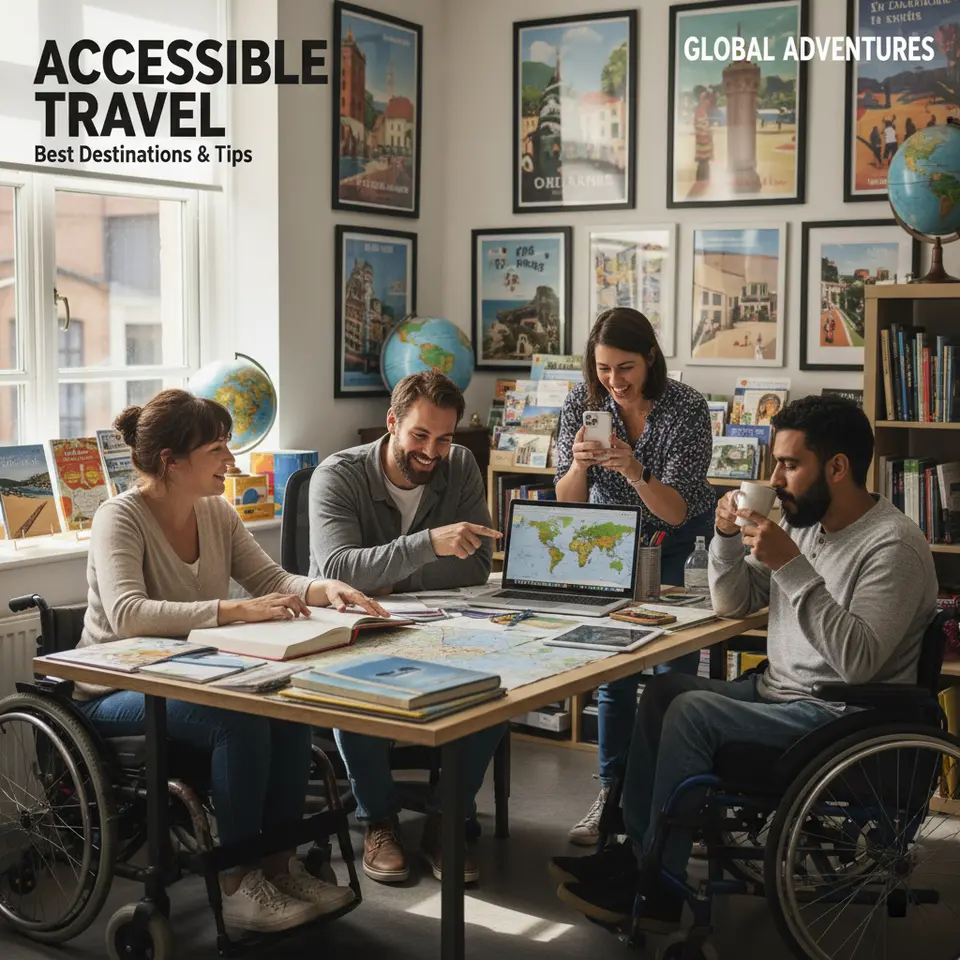
Travel can spark inspiration, fuel discovery, and offer an unparalleled sense of freedom for every individual. Yet for millions of people with disabilities, organizing a trip often feels overwhelming. Fortunately, accessible travel removes barriers and ensures that adventurers—regardless of mobility, vision, hearing, or cognitive differences—enjoy equal opportunities to explore our world. In today’s digital landscape, information is more readily available than ever before, and this guide will help you harness that advantage. From understanding legal requirements and building a personalized checklist to uncovering top inclusive destinations, you’ll find everything you need to plan a seamless journey this year.
Throughout this article, you will discover strategic planning tips, expert recommendations on accessible accommodations and transportation, and an overview of must-visit cities that lead in universal design. We’ve also gathered vital resources—like the World Health Organization and the U.S. Department of Justice ADA page—to back up best practices and legal guidelines. By integrating technology, community insights, and a clear roadmap, this comprehensive piece empowers you to transform potential obstacles into milestones on your next adventure.
Leading Accessible Destinations in Europe
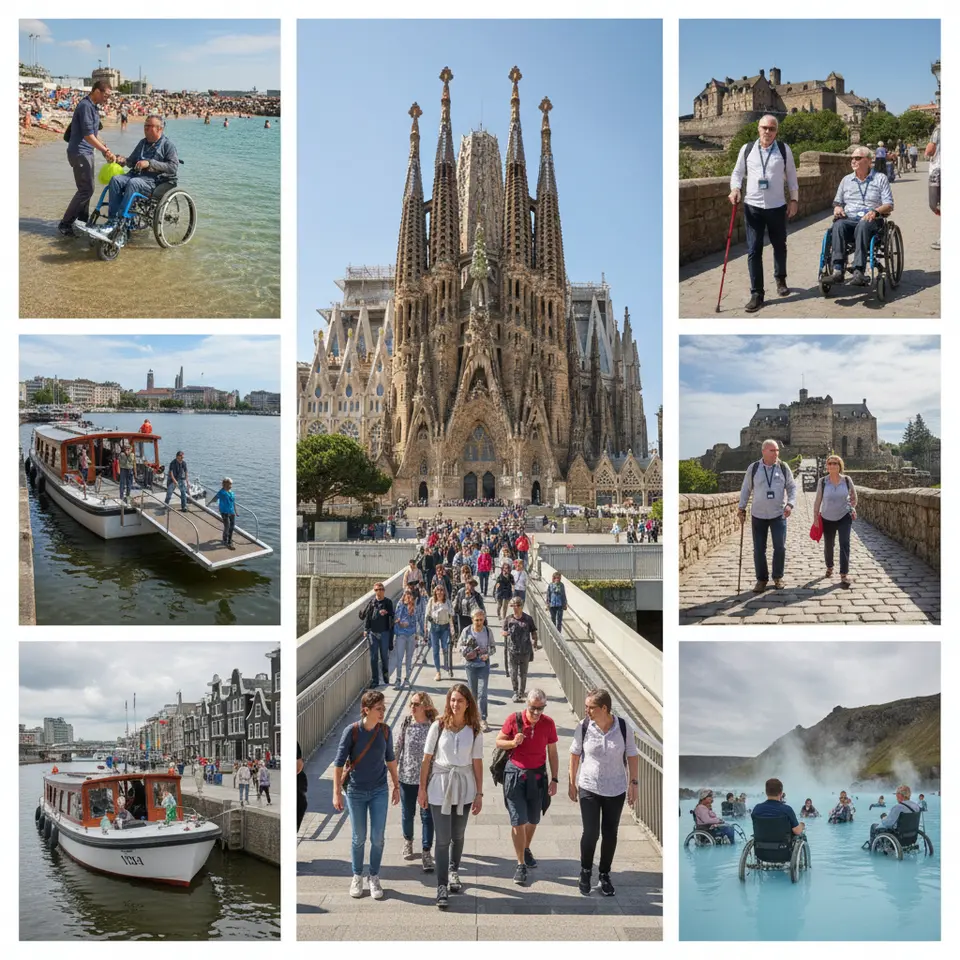
Europe is home to some of the world’s most progressive accessible travel infrastructures. Start your exploration in Barcelona, Spain, where broad promenades along La Rambla link up with wheelchair ramps at major sites like the Sagrada Familia and Park Güell. The city’s metro system features low-floor trains, tactile paving, and audio announcements, making independent navigation straightforward. Museums such as the Picasso Museum offer tactile guides, braille signage, and specially trained staff—while Barceloneta Beach provides aquatic wheelchairs and ramped entries into the Mediterranean.
Amsterdam, Netherlands, follows closely behind with its famously flat streets and comprehensive public transit. Accessible canal cruises employ boarding ramps, and trams offer kneeling functions, priority seating, and audible stop alerts. Cultural institutions like the Van Gogh Museum and Anne Frank House feature lifts, tactile exhibits, and ASL-guided tours. Adding an adaptive bike rental or an ASL-led canal trip ensures you experience the city’s charm without limitation.
In Edinburgh, Scotland, modern accessibility meets medieval architecture. Cobblestone alleys on the Royal Mile are complemented by smooth side lanes, and Edinburgh Castle provides ramped pathways and narrated audio tours. Low-floor hop-on/hop-off buses come equipped with hearing loops and priority seating, and many whisky distilleries arrange sensory-led tastings for guests with visual or hearing challenges.
Finally, Reykjavík, Iceland, showcases how universal design thrives amid rugged landscapes. Accessible Golden Circle tours utilize buses with hydraulic lifts, while geothermal spas—including the Blue Lagoon—offer pool wheelchairs and gentle ramp access. Local operators also coordinate glacier walks with adaptive crampons and cave tours featuring tactile audio descriptions. With its compact layout and community-focused ethos, Reykjavík demonstrates that natural wonders and inclusive design can go hand in hand.
Top Accessible Destinations in Oceania and Asia
Sydney, Australia, stands as a pioneer in universal design, complete with low-floor ferries crossing the harbour and barrier-free boardwalks at iconic beaches. The Sydney Opera House provides step-free routes, hearing loops, and tactile sightlines in performance venues. Bondi Beach’s Surf Life Saving Adaptive Program offers beach wheelchairs and trained volunteers, while nearby national parks feature wheelchair-accessible wildlife hides and audio-described ranger talks.
Tokyo, Japan, elevates accessibility through remarkable attention to detail. Major rail stations are fitted with elevators, tactile floor indicators, and priority seating. Shinkansen bullet trains include designated wheelchair spaces, and museums like the National Museum of Nature and Science offer multilingual audio guides and braille captions. Districts such as Shinjuku and Asakusa feature roll-in showers at universal design hotels, flat walking streets, and themed eateries catering to dietary or sensory requirements. Booking an ASL-guided walk around Shibuya Crossing turns a bustling intersection into an inclusive adventure.
Singapore’s meticulous urban planning makes it another must-visit destination. MRT stations come with wide gates and tactile guidance systems, while Gardens by the Bay and Marina Bay Sands provide step-free access and wheelchair loans. At Universal Studios Singapore, assistive listening devices and priority boarding ensure every visitor participates in the fun. Hawker centers often feature braille menus and sensory-friendly hours at top attractions like the Singapore Flyer, reinforcing the city-state’s commitment to universal inclusion.
Premier Accessible Destinations in the Americas and Africa
Vancouver, Canada, blends stunning natural scenery with thoughtful infrastructure. The Seawall in Stanley Park boasts smooth, level pathways perfect for wheelchairs and scooters. Grouse Mountain’s Skyride gondola includes ramp access and spacious cabins, granting panoramic views of the city coast. Adaptive whale-watching tours employ stabilized vessels with accessible decks, and Granville Island offers tactile maps alongside ASL-interpreted performances during festival seasons.
New York City, USA, features an extensive transit network with accessible subways, buses, and paratransit services. The Statue of Liberty and Empire State Building offer elevator access, tactile exhibits, and ASL-guided tours. Broadway theaters provide captioning devices and audio-described performances, while Governors Island hosts adaptive sports like kayaking and cycling. Fully equipped hotels in Midtown ensure doorways, bathrooms, and common areas meet rigorous accessibility standards.
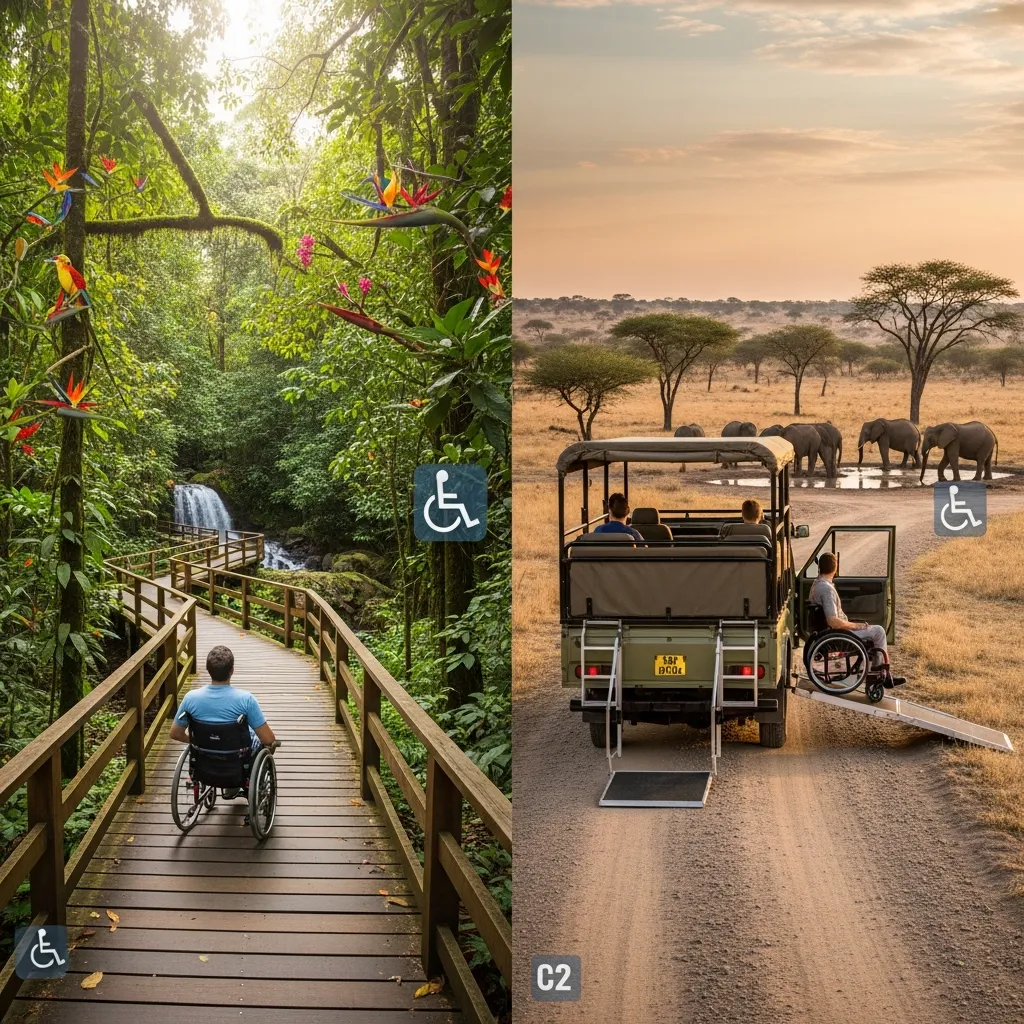
Cape Town, South Africa, invites travelers to explore coastal splendors and urban culture alike. Table Mountain’s cable car operates with wheelchair-friendly cabins and level boarding. Kirstenbosch Botanical Gardens includes accessible trails with firm surfaces, and adaptive safari operators in nearby reserves use modified vehicles with lift systems. Coastal areas like Muizenberg and Camps Bay feature beach wheelchairs, while the District Six Museum offers tactile exhibits and audio guides. Cape Town exemplifies how a historic metropolis can embrace inclusive design without losing its soul.

Conclusion
Accessible travel transforms aspirations into lived experiences, empowering everyone to enjoy our planet’s wonders. With meticulous planning, trusted resources, and adaptive technology, you can confidently navigate new cities, natural landscapes, and cultural treasures in today’s inclusive world. From the sunny shores of Barcelona to the ice-carved vistas of Iceland, inclusive destinations abound. Embrace the accessible travel movement, share your unique journey, and contribute to a future where no adventurer is left behind.