





In today’s fast-paced world, carving out extended breaks can be a luxury few can afford. Yet the craving for nature, novelty, and recharge remains powerful. Enter micro-adventures: compact escapes designed to deliver the thrill and renewal of travel in a fraction of time and expense. Whether you have a dawn-to-dusk window, a single afternoon, or an unplanned overnight, micro-adventures unlock the door to discovery close to home. They combine spontaneity with mindful planning, proving that adventure needs neither a heavy passport stamp nor a hefty bank balance. By embracing simple gear, local landscapes, and a spirit of curiosity, you can ignite your sense of wonder—this year—without complicated logistics.
This article dives into the essence of micro-adventures, offering expert insights to help you understand their appeal, map out your own escapade, and pack like a pro. You’ll find an array of inspiring ideas from alpine summits to urban rooftop yoga sessions, alongside essential safety and sustainability guidance drawn from authorities such as the National Park Service and research at the University of Washington. Whether you’re a seasoned trailblazer or a weekend wanderer, this guide empowers you to transform spare hours into unforgettable journeys. Read on, and discover how micro-adventures can reignite your passion for exploration today.
Understanding Micro-Adventures
At its heart, a micro-adventure is a bite-sized expedition—an opportunity to step outside routine without the burden of long-term planning or large expenses. The term, popularized by British explorer Alastair Humphreys, encapsulates outings that can be completed within a few hours or a single night, often involving easily accessible terrain or local attractions. Unlike traditional vacations, micro-adventures emphasize immediacy: a sunrise paddle on a nearby lake, a starlit bivouac on a coastal cliff, or a quick cycle to a hidden waterfall in your region.
Characteristics of a typical micro-adventure include:
- Time efficiency: Activities ranging from two hours to an overnight stay.
- Proximity: Locations within driving or public-transit distance.
- Low cost: Minimal expenses for gear, permits, or transport.
- Minimal gear: Lightweight essentials that fit in a daypack.
- High impact: Emotional refresh, physical challenge, or creative inspiration.
By redefining what qualifies as a “trip,” micro-adventures break down barriers to exploration, making nature-based recreation inclusive and achievable for people with busy schedules. In today’s digital landscape, when screens dominate much of our attention, these brief escapes offer a chance to reset—physically and mentally—without waiting months for vacation time. Embracing micro-adventures can boost resilience, stimulate creativity, and strengthen connections to the environment, all within the cadence of daily life.
Effective Planning Strategies
Although micro-adventures thrive on spontaneity, thoughtful preparation ensures safety and maximizes enjoyment. Follow these five planning steps to craft your ideal quick escape:
1. Clarify Your Timeframe
Determine whether you have a few hours after work, a full weekend day, or an impromptu night under the stars. Your available window dictates feasible distances and activities. For example, a morning hike to a lookout demands early departure and a shorter trail, while an overnight beach bivvy allows for a sunset stroll and camp setup before dark.
2. Define Your Goal
Every micro-adventure carries an intent—adrenaline rush, wildlife observation, creative reflection, or simple relaxation. Pinpointing your objective streamlines decisions about destination, pace, and gear. If photography is the focus, you may target golden-hour lighting and bring a lightweight tripod. If physical challenge prevails, select a rugged trail or a steep cycling route.
3. Scout Local Terrain
Leverage online tools like topographic maps, trail-finding websites, and community forums to identify lesser-known spots. Government resources such as the National Park Service park locator can reveal hidden gems within a short drive. Note trailhead parking, water sources, cell coverage, and permit requirements. Local outdoor clubs or university publications often share insider tips for under-the-radar locations.
4. Check Weather and Regulations
Always review forecasting platforms before departure; sudden afternoon storms or temperature swings can complicate even a brief outing. Confirm any seasonal closures, permit mandates, or fire restrictions with park authorities. Being aware of local rules and advisories prevents surprises that might derail your plans.
5. Craft a Basic Route
Even a micro-adventure benefits from a simple map sketch. Pin your start and end points, note resupply options such as roadside cafés or water pumps, and identify alternative paths in case of hazards. Share your route with a trusted friend or family member, enhancing safety without sacrificing the spontaneity that makes micro-adventures so appealing.
Essential Gear and Packing Tips
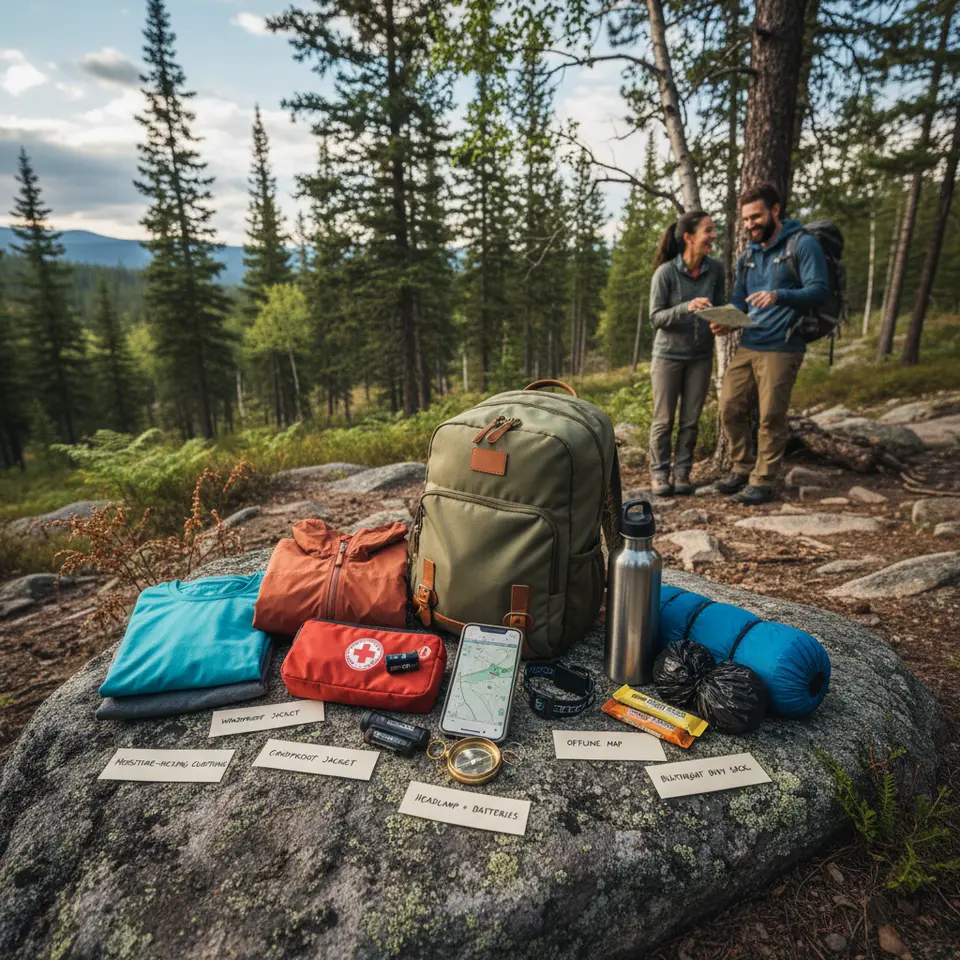
Minimalism is key when gearing up for micro-adventures. A light daypack outfitted with multifunctional items ensures you’re prepared without carrying unnecessary weight. Below is a flexible packing template:
- Clothing: Moisture-wicking base layers, an insulating mid-layer, a windproof or waterproof jacket, a sun hat or beanie, and supportive footwear.
- Navigation: Smartphone preloaded with offline maps, a compact compass, and a printed paper map for redundant backup.
- Hydration & Nutrition: Reusable water bottle or hydration bladder, energy bars, trail mix, and fresh fruit.
- Shelter & Sleep: Ultralight tarp or bivy for one-night ventures, thermarest ground pad, and a lightweight sleeping bag or liner.
- Safety & First Aid: Small first-aid kit, headlamp with extra batteries, multipurpose tool or knife, whistle, and emergency blanket.
- Extras: Compact camera or smartphone for photos, biodegradable trash bags, sunscreen, insect repellent, and firestarter.
When cooking, opt for no-cook meals or instant foods compatible with a micro-stove. For day-only adventures, eliminate the stove entirely and rely on ready-to-eat snacks. Remember: every ounce counts when you’re covering miles on foot or by bike.
Micro-Adventures for Urban Explorers
Not all micro-adventures require remote wilderness. Urban micro-adventures are equally thrilling and accessible. Explore rooftops, hidden courtyards, or local art installations in your city for a fresh perspective. Combining creativity with observation, these experiences can feel like a miniature expedition without leaving town.
Urban micro-adventures often benefit from Travel Apps & Gadgets, which guide you to unique locales, track your walking routes, or suggest nearby coffee shops for breaks. Even a few hours spent exploring hidden city spaces can refresh the mind and provide inspiration for work, hobbies, or photography projects.
Urban Micro-Adventure Ideas
- Rooftop yoga sessions at sunrise
- Discover street art in alleys or abandoned buildings
- Self-guided historical walking tours
- Kayak or paddleboard in city canals or rivers
- Photography scavenger hunts for hidden details
Inspiring Global Micro-Adventure Ideas

Micro-adventures thrive on variety and personalization. Here are several concepts you can adapt based on regional terrain, seasonality, and personal interests:
Alpine Sunrise Summit, Switzerland
Embark on a pre-dawn hike to catch the first rays illuminating iconic peaks like the Matterhorn. Start from a valley tram station, ascend rugged trails, and savor a barista-brewed coffee at a ridgeline vantage point. Return via a different path to extend the loop and soak in alpine meadows.
Kayak Mangrove Labyrinths, Florida Keys, USA
Paddle through serene, transparent channels weaving through ancient mangrove forests. Observe manatees and herons navigating the labyrinth. For an overnight variant, beach your kayak on a secluded sandbar and drift asleep under star-filled skies.
Nighttime Star Camp, Atacama Desert, Chile
Drive to a designated dark-sky zone, set up a minimalist bivy sack, and gaze at the Milky Way’s brilliance. The desert’s arid climate and high altitude create near-perfect astronomical visibility—no bulky tent required.
Urban Rooftop Yoga & Dawn City Stroll, Tokyo, Japan
Secure a sunrise yoga spot atop a commercial building. Flow through salutations as neon lights fade and city sounds awaken. Follow with a self-guided walking tour through early-morning markets and hidden temple courtyards before the crowds arrive.
Coastal Cliff Bivvy, Cornwall, UK
Traverse a stretch of the South West Coast Path, then find a sheltered notch on a cliff ledge overlooking the Atlantic. Fall asleep to waves crashing below and awaken to seabirds circling offshore, all within a short drive of regional towns.
Wild Foraging & Firelight Feast, British Columbia, Canada
Join a half-day guided foraging tour in temperate rainforests to learn edible plant identification. Conclude your excursion by a riverside firepit, cooking freshly gathered mushrooms and berries in a cast-iron skillet.
Combining Micro-Adventures with Technology
Technology can enhance micro-adventures without reducing authenticity. Use apps to track elevation gain on quick hikes, discover quiet coastal access points, or join virtual groups for socially-distanced exploration. Gadgets like waterproof cameras or drones capture memories from perspectives you wouldn’t normally access, turning short outings into lasting stories.
Planning with technology also allows flexibility. Weather changes, local events, or traffic can impact micro-adventures, but using reliable Travel Apps & Gadgets lets you adjust in real time. This combination of spontaneity and digital support ensures every short adventure feels safe, fulfilling, and exciting.
Ways Technology Enhances Micro-Adventures
- Track routes and distances digitally
- Discover hidden or off-the-beaten-path locations
- Capture high-quality photos or videos effortlessly
- Share experiences with friends and community groups
- Receive alerts for safety, weather, or seasonal closures
Ensuring Safety and Sustainability
Every micro-adventure carries inherent risks and a shared responsibility to protect landscapes. Follow these guidelines to stay safe and preserve the outdoors for future explorers:
- Leave No Trace: Carry out all trash, avoid wildlife disturbance, and minimize impact on vegetation. Consult the United Nations Environment Programme for global stewardship principles.
- Know Your Limits: Select routes and activities that align with your fitness, skill level, and experience. Overestimating abilities can turn a quick outing into a rescue scenario.
- Plan for Emergencies: Carry a whistle, memorize local emergency numbers, and inform a contact of your itinerary and expected return time.
- Respect Regulations: Adhere to park rules, permits, and seasonal closures. Fines and habitat damage often result from noncompliance.
- Weather Vigilance: Monitor forecasts before and during your trip. Be prepared to shorten or cancel plans if conditions worsen.
Conclusion
Micro-adventures prove that you don’t need long holidays or big budgets to satisfy your wanderlust. By embracing concise timeframes, minimalist gear, and thoughtful planning, you can transform a few spare hours into profoundly memorable journeys. From local hilltops to urban rooftops, the world is filled with accessible escapes that energize body and mind. So pack your daypack, choose a nearby trail or hidden city nook, and set off—because in today’s busy world, brief yet meaningful adventures hold the power to revive your spirit and spark ongoing curiosity.
Frequently Asked Questions About Micro-Adventures
What are micro-adventures?
Micro-adventures are short, local trips or outdoor experiences designed to fit into limited timeframes—often just a few hours or a single night—while providing the thrill and refreshment of travel.
Why should I try micro-adventures?
Micro-adventures offer an easy way to explore, recharge, and reconnect with nature or your city without long planning, big expenses, or extended time off work.
How long does a typical micro-adventure last?
Most micro-adventures range from a couple of hours to one overnight stay, making them accessible for busy schedules.
Do I need special gear for micro-adventures?
No—micro-adventures emphasize minimal gear. Essentials like a daypack, water, snacks, navigation tools, and weather-appropriate clothing are usually enough.
Can micro-adventures be done in cities?
Absolutely. Urban micro-adventures can include rooftop yoga, hidden art walks, self-guided city tours, or kayaking in local waterways.
Are micro-adventures expensive?
Not at all. Micro-adventures focus on nearby locations, low-cost activities, and minimal equipment, making them budget-friendly escapes.
How do I plan a safe micro-adventure?
Check weather forecasts, know local regulations, share your route with someone, carry basic safety gear, and choose activities within your skill level.
What types of micro-adventures can I do outdoors?
Options include hiking, cycling, stargazing, paddleboarding, cliff bivvies, and wild foraging, depending on your local terrain and season.
Can micro-adventures be done solo or with friends?
Yes. They are flexible for solo exploration, bonding with friends, or family-friendly outings, depending on the activity and safety considerations.
How do micro-adventures benefit mental health?
They reduce stress, boost creativity, improve mood, and provide a sense of accomplishment by reconnecting you with nature and new experiences.
Do micro-adventures require permits or special access?
Some outdoor locations may require permits or follow seasonal restrictions. Always check local rules and park guidelines before heading out.
How can I make the most of a micro-adventure?
Plan a clear but flexible route, pack minimal gear, embrace spontaneity, and focus on sensory experiences—like sights, smells, and sounds—to maximize enjoyment.