





In today’s digital landscape, travelers are eager to connect with places that reveal the rich tapestry of human culture and the marvels of the natural world. Among these, UNESCO World Heritage Sites stand out as destinations of exceptional value, safeguarded for present and future generations. Established under the UNESCO World Heritage Convention, this distinguished list preserves landmarks that embody our collective heritage — from ancient architectural masterpieces to delicate ecosystems that sustain biodiversity.
As of this year (2026), more than 1,100 properties across 160 countries have achieved this prestigious recognition. Each site tells a story: an untold chapter of civilization, a pulse point for conservation efforts, or an emblem of geological wonder. For anyone seeking meaningful travel experiences, understanding the essence of UNESCO World Heritage Sites is essential. This comprehensive guide will lead you through the fundamentals of the designation, demonstrate how to prepare for an unforgettable journey, and showcase both cultural and natural highlights that promise to inspire.
Whether you are drawn to architectural feats that echo across centuries or landscapes that teem with life, you will find practical insights to plan your adventure responsibly and efficiently. Join us as we explore the pathway to these awe-inspiring locations and help you craft an itinerary that balances discovery with sustainability. Let’s embark on an exploration of UNESCO World Heritage Sites that transcends mere sightseeing and fosters a deeper appreciation for our shared global heritage.
Understanding UNESCO World Heritage Sites
The UNESCO World Heritage Sites program was born from a collective desire to protect places of outstanding universal value. Enshrined in the 1972 Convention, this initiative evaluates properties against ten exacting criteria. A site must satisfy at least one, ranging from representing a masterpiece of human creative genius to containing habitats vital for the conservation of biological diversity. Today, these criteria serve as a global benchmark for cultural and natural preservation.
Sites on this list fall into three distinct categories. Cultural properties spotlight human achievements: historic towns, monuments, and architectural wonders that narrate the evolution of societies. Natural properties encompass geological marvels, ecosystems, and biodiversity hotspots where species flourish and geological processes unfold. Mixed properties offer a fusion of both, giving visitors a dual experience of cultural depth and natural splendor.
Currently, over 1,100 sites in more than 160 countries have earned UNESCO World Heritage status. The selection process involves official nomination by state parties, followed by impartial evaluation from advisory bodies such as ICOMOS (International Council on Monuments and Sites) and IUCN (International Union for Conservation of Nature). Final decisions rest with the World Heritage Committee, which meets annually to inscribe new properties.
To delve deeper into the program’s guidelines and official documentation, you can visit the UNESCO World Heritage Centre. By understanding the rigorous selection standards, you gain a greater appreciation for why these landmarks—whether an ancient citadel or a pristine rainforest—deserve their status and your visit.
Essential Preparations for Your UNESCO Journey
Planning a successful trip to UNESCO World Heritage Sites hinges on thorough research and sound logistics. Begin by pinpointing sites that align with your interests—be it medieval architecture, desert oases, coral reefs, or tropical rainforests. Official UNESCO listings provide basic information, but supplement your investigation with detailed guidebooks, academic articles, and local tourism boards to gather up-to-date insights on accessibility and regulations.
Next, consider budget and timing. Many sites impose entry fees or require permits that must be secured well in advance. In some remote natural settings, guided excursions or special permits are mandatory to minimize environmental impact. Booking during shoulder seasons not only helps you avoid crowds but also often yields lower prices for accommodation and tours.
Transportation logistics are equally critical. Urban cultural sites may be easily reached by public transit, while isolated natural wonders demand more complex travel arrangements—chartered flights, long drives, or multi-day treks. Factor in internal transfers and possible overnight stays en route; planning these details early ensures smoother transitions and less wasted time.
Health and safety preparation cannot be overlooked. Depending on the destination, vaccinations or prophylactic medications might be necessary. Pack appropriate gear—from sturdy hiking boots for rugged trails to lightweight clothing for humid environments. Always carry a basic first-aid kit and verify that your travel insurance covers medical evacuation if you venture into wilderness areas.
Finally, responsible tourism practices should inform every aspect of your journey. Research local customs and dress codes, especially at culturally sensitive sites. Learn basic greetings in the native language and respect photography restrictions. By preparing thoroughly and ethically, you safeguard the integrity of UNESCO World Heritage Sites for generations to come.
Top Cultural Marvels Around the Globe

UNESCO World Heritage Sites feature some of the most iconic cultural landmarks ever created by humankind. These destinations span continents and eras, offering visitors a window into the ingenuity and artistic expression of civilizations past and present.
Machu Picchu, Peru
Hidden high in the Andes Mountains, Machu Picchu epitomizes the pinnacle of Inca engineering. The stone terraces, temples, and astronomical observatories blend harmoniously with the surrounding peaks. Today, visitors ascend the Inca Trail at sunrise to witness the mystical glow illuminating ancient ruins.
Taj Mahal, India
Synonymous with eternal love, the Taj Mahal stands on the banks of the Yamuna River in Agra. Built from gleaming white marble, its intricate inlays and symmetrical gardens breathe life into Mughal architectural brilliance. Reserving an early morning slot is essential to avoid the midday crowds and fully appreciate the monument’s refined beauty.
Acropolis of Athens, Greece
Overlooking the modern city of Athens, the Acropolis holds the Parthenon, Erechtheion, and other temples dedicated to ancient deities. This hilltop complex embodies classical harmony, proportion, and civic identity. Climbing the marble steps, you engage directly with the birthplace of democracy.
Pompeii and Herculaneum, Italy
Frozen in time by Mount Vesuvius’s eruption, these neighboring Roman towns provide a rare glimpse into daily life in 79 AD. Mosaic floors, fresco-adorned walls, and public baths reveal the sophistication and routines of ancient urban society. Guided tours offer insights into excavation techniques and ongoing preservation challenges.
Angkor, Cambodia
Once the heart of the Khmer Empire, the temple complex at Angkor features Angkor Wat, Bayon, and Ta Prohm engulfed by jungle roots. Intricate bas-reliefs depict mythological scenes and historic battles. A sunrise visit to Angkor Wat bathes the misty moat in golden light, creating an unforgettable tableau.
Additional cultural treasures include Old Havana, Cuba; Stonehenge, United Kingdom; the Historic Town of Ouro Preto, Brazil; and the Ancient Monuments of Nara, Japan. Each location carries its own narrative, inviting you to immerse yourself in local traditions and time-honored craftsmanship.
Outstanding Natural Wonders to Discover
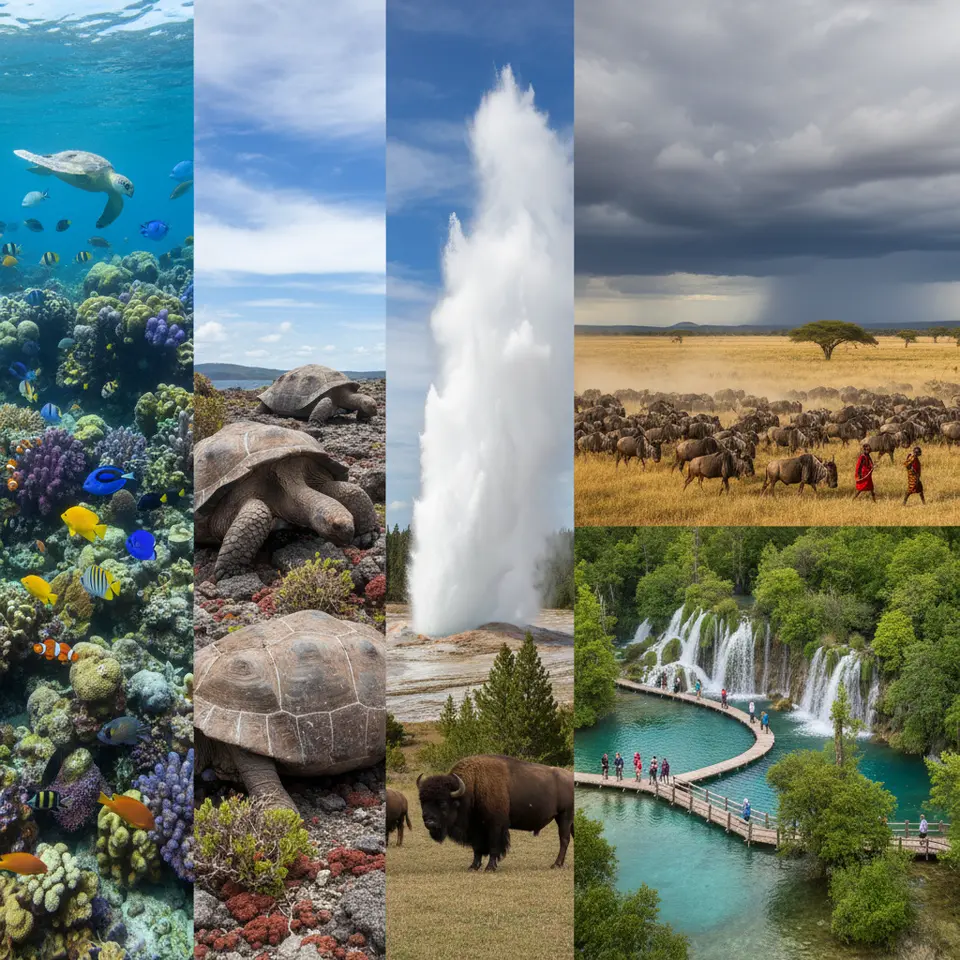
For travelers who find solace in wild landscapes and biodiverse habitats, UNESCO’s natural properties offer some of the planet’s most breathtaking scenes.
Great Barrier Reef, Australia
The world’s largest coral reef system stretches over 2,300 kilometers along Queensland’s coast. Home to over 1,500 species of fish and 400 types of coral, it remains under threat from climate change and bleaching events. Snorkeling or diving with certified eco-tours ensures minimal disturbance to this fragile ecosystem.
Galápagos Islands, Ecuador
Charles Darwin’s evolutionary laboratory features unique species such as giant tortoises, marine iguanas, and blue-footed boobies. Cruising between volcanic islets, you encounter endemic flora and fauna found nowhere else on Earth. Park regulations limit visitor numbers to protect habitats.
Yellowstone National Park, USA
The first national park in the world showcases geothermal wonders like geysers and hot springs, alongside bison herds and grizzly bears. Interpretive centers managed by the National Park Service offer educational programs explaining volcanic superstructures beneath the surface.
Serengeti National Park, Tanzania
Every year, more than a million wildebeest and zebras embark on the Great Migration across expansive savannah plains. Predators such as lions and cheetahs follow this mass movement, creating a dynamic cycle of life and survival. Guided safari tours prioritize low-impact vehicles and designated routes to minimize wildlife disturbance.
Plitvice Lakes National Park, Croatia
A series of cascading lakes connected by waterfalls forms a kaleidoscope of turquoise waters set against dense woodlands. Wooden walkways allow safe passage over sensitive karst landscapes. The park’s management plan balances visitor access with strict conservation protocols.
Other unmissable natural sites include Komodo National Park in Indonesia, Iguazú National Park on the Argentina–Brazil border, the Everglades in the USA, Tsingy de Bemaraha in Madagascar, and Sagarmatha National Park in Nepal. These ecosystems inspire awe while underscoring our responsibility to protect Earth’s ecological heritage.
Optimizing Your Trip with Regional Routes
Crafting an efficient itinerary is key to maximizing your UNESCO World Heritage experience. By clustering sites geographically, you save travel time, reduce costs, and gain richer contextual understanding of regional cultures and environments.
Europe Grand Heritage Loop
Begin in Athens to explore the Acropolis, then travel north to Croatia’s Plitvice Lakes, and continue westward to Rome’s historic center. High-speed trains and scenic ferries connect these destinations seamlessly. Each stop offers a blend of ancient landmarks, vibrant urban life, and culinary specialties that reflect centuries of cross-cultural exchange.
Asia Cultural Odyssey
Navigate from Angkor in Cambodia to the Taj Mahal in India, and onward to Nara’s ancient temples in Japan. Booking arrival times for early mornings grants you exclusive access before tour buses arrive. Local guesthouses and heritage homes immerse you in authentic regional customs.
Americas Exploration Trail
Start at Machu Picchu in Peru, trek the Inca Trail, then fly to the Galápagos Islands for an ecological cruise. From there, head north to Yellowstone in the USA for a change of scenery and climate. Intra-continental flights and guided tours should be arranged well in advance to ensure availability during peak periods.
Africa & Oceania Adventure
Pair the Serengeti Great Migration with a dive at Australia’s Great Barrier Reef. Safari lodges and liveaboard dive vessels often offer package deals that combine land and sea excursions. Packing versatile clothing layers ensures comfort from the African savannah to the tropical reef.
When mapping your path, account for visa requirements, seasonal weather variations, and local festivities. Aligning your visit with cultural festivals can add unexpected layers of engagement, while avoiding monsoon or polar winter seasons enhances comfort and safety.
Frequently Asked Questions
What are the criteria for a site to be listed as UNESCO World Heritage?
Sites must satisfy at least one of ten criteria defined by UNESCO, ranging from artistic and architectural significance to ecological importance. These standards ensure each property holds outstanding universal value.
How far in advance should I plan my visit to high-demand sites?
Popular landmarks often require entry reservations or permits months ahead, especially during peak travel seasons. Check official site guidelines and book accommodations early to secure your preferred dates.
Are there guidelines for responsible tourism at these sites?
Yes. Visitors should research local customs, adhere to dress codes, minimize waste, and follow designated paths. Respecting photography rules and wildlife regulations helps preserve these treasures for future generations.
Conclusion
Exploring UNESCO World Heritage Sites provides travelers with an unparalleled window into humanity’s greatest achievements and the planet’s natural wonders. By understanding the designation’s criteria and adhering to responsible tourism principles, you play a role in preserving these irreplaceable places. Whether you are tracing ancient stone pathways, diving into vibrant coral kingdoms, or witnessing sweeping migrations, each experience deepens your connection to our shared heritage.
As you plan your next adventure, remember to research thoroughly, prepare ethically, and journey with respect. The memories forged at these sites will last a lifetime, and your conscientious approach will help ensure their survival for future generations. Embark on this extraordinary voyage today, and let UNESCO World Heritage Sites inspire your sense of wonder and stewardship in this year (2026) and beyond.