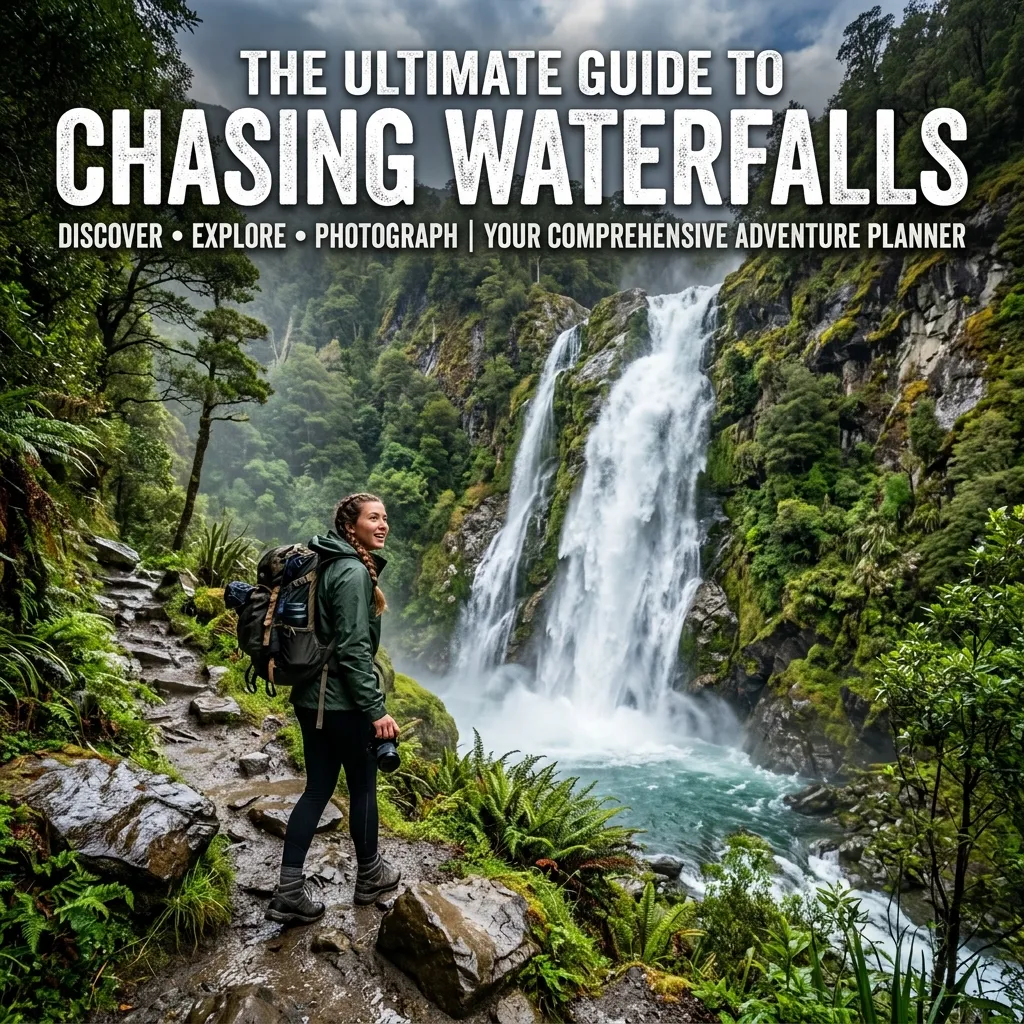
Chasing waterfalls is the pursuit of experiencing the world’s most spectacular natural cascades, from Niagara to Angel Falls. This comprehensive guide provides essential planning tips, accessible travel options, seasonal insights like winter wonders, and budget strategies such as cheap festival travel to maximize your global waterfall adventures safely and responsibly.
The sound of rushing water echoing through a dense forest holds a universal appeal. For centuries, humans have sought out the raw power and breathtaking beauty of falling water. Chasing waterfalls has evolved from a simple nature walk into a global travel phenomenon. People cross continents just to feel the mist of Victoria Falls on their faces or witness the sheer drop of Angel Falls.
This guide provides everything you need to know about chasing waterfalls. You will learn about the geological forces that create these natural wonders and discover the most iconic destinations across the globe. We also provide practical advice on how to plan your trip, including tips for accessible travel, combining your trip with cheap festival travel, and experiencing the unique beauty of winter wonders.
What is the science and geological splendor behind waterfalls?
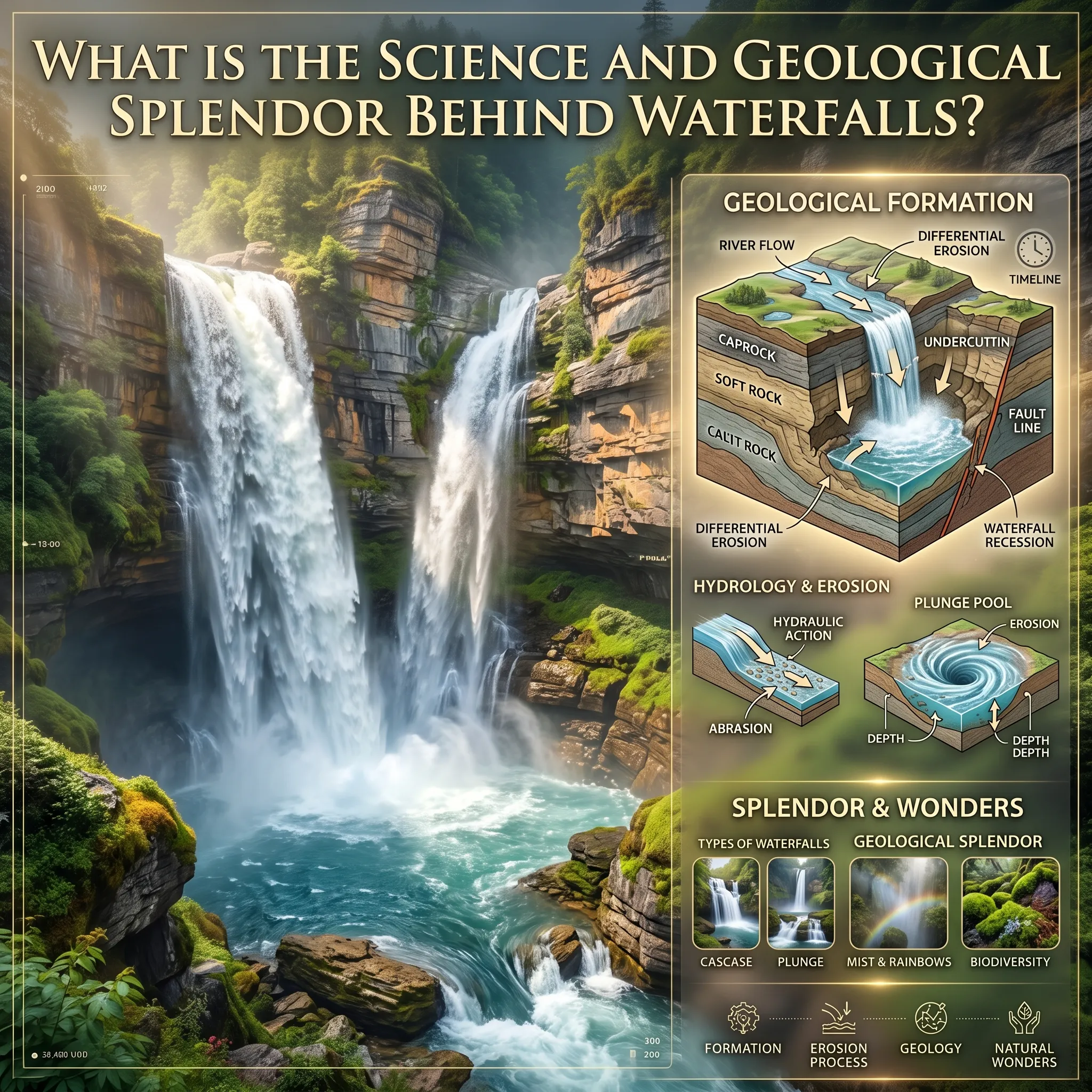
Waterfalls represent the relentless power of water shaping the earth over millennia. Understanding how they form adds a deeper appreciation to the experience of chasing waterfalls.
How are waterfalls formed over time?
Most waterfalls develop when a river flows over contrasting layers of rock. The water erodes the softer rock at a faster rate than the harder rock above it. Over thousands of years, this uneven erosion creates a steep drop. The river eventually plunges over the edge, creating the cascading effect we admire. According to geologists, this process is continuous, meaning waterfalls are constantly, albeit slowly, changing shape and moving upstream.
What are the different types of waterfalls?
Not all cascades look the same, and identifying them is a fun part of chasing waterfalls.
- Plunge waterfalls: These drop vertically without touching the underlying cliff face.
- Tiered waterfalls: These feature a series of distinct drops in quick succession.
- Cascade waterfalls: Here, the water flows down a series of rock steps.
- Horsetail waterfalls: The water maintains contact with the bedrock as it falls, spreading out like a horse’s tail.
How do waterfalls affect our senses?
Chasing waterfalls provides a multi-sensory experience. The deafening roar of a massive waterfall like Niagara can be heard miles away, while the gentle babble of a smaller cascade offers a soothing soundtrack. The fine mist generated by the falling water cools the surrounding air, creating a unique microclimate. On sunny days, the interplay of light and water droplets frequently creates vivid rainbows, adding a magical visual element to your hike.
Where are the world’s most iconic destinations for chasing waterfalls?
If you are serious about chasing waterfalls, certain locations stand out as absolute must-visit destinations. These sites offer unmatched scale, power, and visual splendor.
Why is Niagara Falls a top destination?
Straddling the border of Canada and the United States, Niagara Falls is one of the most famous waterfalls globally. While it is not the tallest, it is incredibly wide and powerful. Niagara Falls is also a prime example of accessible travel, offering paved paths, observation decks, and boat tours that accommodate wheelchairs and strollers.
What makes Victoria Falls the “Smoke that Thunders”?
Located on the border of Zambia and Zimbabwe, Victoria Falls spans 1,708 meters in width. Indigenous groups call it “Mosi-oa-Tunya,” which translates to “The Smoke that Thunders.” During the rainy season, the spray from the falls can be seen from miles away. Chasing waterfalls here means witnessing the largest single sheet of falling water in the world.
How does Iguazu Falls offer a symphony of cascades?
Iguazu Falls sits on the border of Argentina and Brazil. It consists of a staggering 275 individual drops spanning nearly three kilometers. Visitors can walk along extensive boardwalks to get up close to the “Devil’s Throat,” the largest and most powerful section.
Why visit Angel Falls in Venezuela?
Angel Falls is the world’s highest uninterrupted waterfall, boasting a staggering drop of 979 meters. Located deep within the Canaima National Park, reaching Angel Falls requires a committed journey, often involving riverboats and jungle treks. For those dedicated to chasing waterfalls, standing at the base of this towering natural wonder is the ultimate reward.
How can you walk behind Seljalandsfoss in Iceland?
Iceland is a haven for chasing waterfalls, and Seljalandsfoss is among its most famous. Dropping 60 meters over a former coastline, this waterfall features a cavernous path that allows visitors to walk completely behind the falling water. It is especially striking during the colder months when frozen icicles frame the cascade, making it one of the premier winter wonders of the world.
What are some other notable global waterfalls?
Other incredible destinations for chasing waterfalls include Yosemite Falls in California, Plitvice Lakes in Croatia, and Kaieteur Falls in Guyana. Each offers a unique blend of geological history and natural beauty.
How should you plan your adventure when chasing waterfalls?
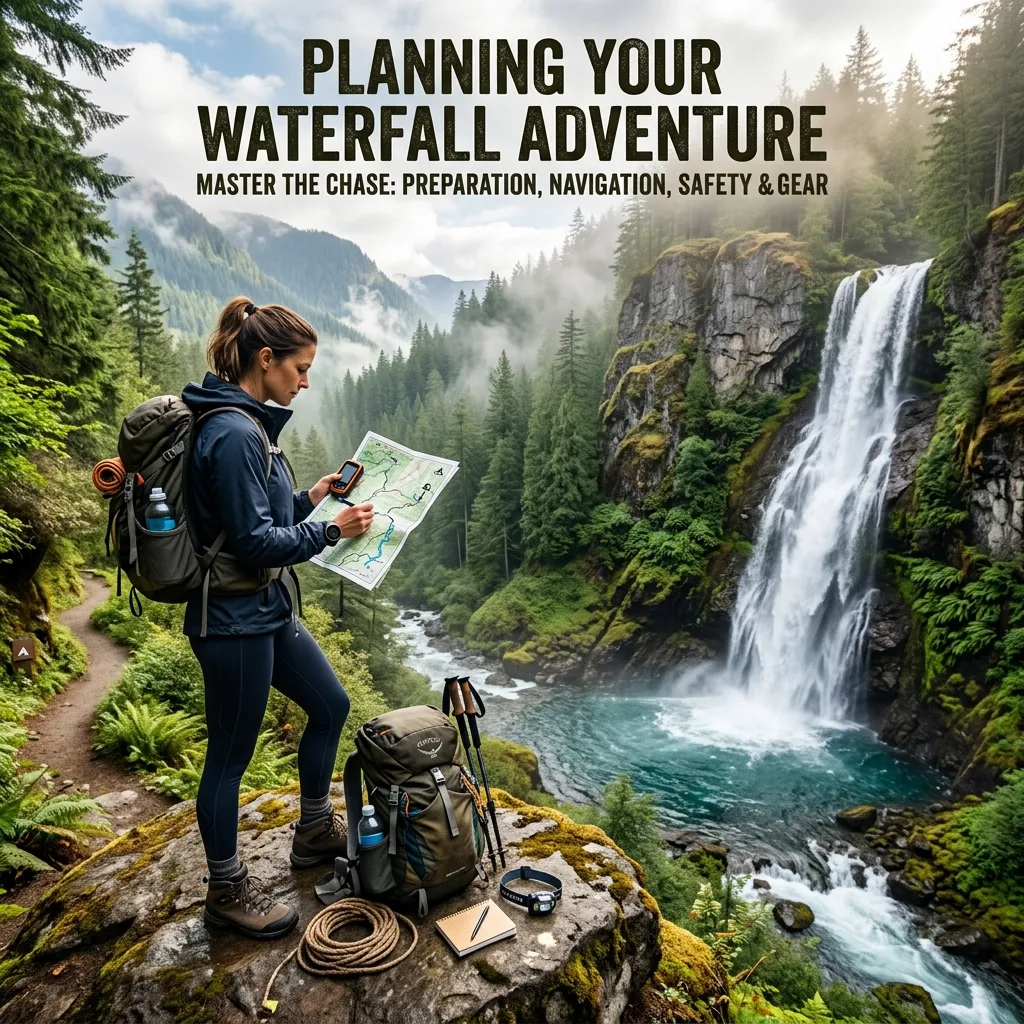
A successful trip requires careful preparation. From seasonal timing to safety gear, planning ensures you can focus on the beauty of the landscape.
What is the best time to visit waterfalls?
The ideal time for chasing waterfalls depends on the specific destination. Spring usually offers the most robust flow as winter snow melts. However, visiting during the colder months provides the opportunity to witness winter wonders, where waterfalls freeze into dramatic, sculptural ice formations. Choose the wet season for maximum power, but opt for the dry season if you prioritize clear skies and hiking accessibility.
What gear is essential for safety and comfort?
When chasing waterfalls, the right gear makes a massive difference. Always pack sturdy, slip-resistant waterproof hiking boots. Bring a lightweight rain jacket or poncho to protect yourself from the mist. A waterproof bag for your electronics is crucial. Finally, carry a first-aid kit, plenty of water, and high-energy snacks.
Should you book guided tours or explore on your own?
Choose a guided tour if you are visiting remote or highly challenging terrains, such as Angel Falls. Guides provide local knowledge, handle logistics, and ensure safety. Choose self-exploration if you are visiting well-marked national parks like Yosemite, where trails are clearly defined and crowd-sourced information is plentiful.
How can you navigate terrains safely?
Safety must be your top priority when chasing waterfalls. Algae-covered rocks near the base of a fall are notoriously slippery. Stay on marked trails and respect all warning signs and barriers. Never attempt to cross a fast-moving river above a waterfall, as the currents are dangerously unpredictable.
What unique experiences go beyond simply viewing waterfalls?
Chasing waterfalls is not just about looking at them; it is about immersing yourself in the surrounding environment.
Where can you swim in natural waterfall pools?
Taking a dip in a natural pool at the base of a waterfall is incredibly refreshing. However, always verify that swimming is permitted and safe before entering the water. Avoid swimming near the immediate drop zone, where downward currents can pull you under.
What are the best photography tips for waterfalls?
To capture the silky, smooth effect of flowing water, use a camera with manual settings. You need a tripod to stabilize your camera, a neutral density (ND) filter to block excess light, and a slow shutter speed (usually 1 second or longer).
What hiking and trekking opportunities exist?
Many of the best cascades require a hike. Trails range from short, paved walks to multi-day jungle treks. Research the trail’s difficulty, elevation gain, and distance to ensure it matches your fitness level before you start chasing waterfalls on foot.
How can you spot wildlife near waterfalls?
Water sources naturally attract wildlife. In tropical regions, you might spot exotic birds, monkeys, or tree frogs. In North America, keep an eye out for deer, eagles, and occasionally bears. Maintain a safe distance and never feed wild animals.
How does accessible travel apply to chasing waterfalls?
Nature should be available to everyone. Accessible travel initiatives are increasingly making natural sites easier to visit for individuals with mobility challenges.
How do you identify accessible waterfall destinations?
Many national parks now provide detailed accessibility information on their websites. Look for destinations that explicitly mention paved trails, boardwalks, and accessible viewing platforms. Niagara Falls and parts of Yosemite National Park are excellent examples of accessible travel destinations where chasing waterfalls is possible for wheelchair users.
What are the best tips for travelers with mobility challenges?
Always call the park visitor center ahead of time to confirm the condition of accessible trails. Inquire about accessible parking and restroom facilities. Traveling with a companion can provide additional support on uneven paths.
How can you combine chasing waterfalls with other travel adventures?
Maximizing your itinerary allows you to experience more of the local culture and landscape while keeping costs down.
How can you integrate waterfall visits with local festivals?
Timing your trip to coincide with local celebrations is a fantastic way to enhance your journey. For instance, visiting waterfalls in Japan during the cherry blossom festivals or combining a trip to Iceland’s waterfalls with the Winter Lights Festival adds a rich cultural layer to your nature exploration.
What are the best strategies for cheap festival travel?
If you want to combine chasing waterfalls with cultural events without breaking the bank, cheap festival travel requires advance planning. Book your accommodation and flights months ahead of the festival dates. Consider staying in nearby towns rather than the festival epicenter, and use public transportation to reach both the festival grounds and the waterfall trailheads.
How do you explore nearby natural wonders?
Look at a map and identify other points of interest near your target waterfall. Caving, hot springs, and ancient ruins are often located in the same geographic regions as major cascades.
What is the environmental impact of chasing waterfalls?
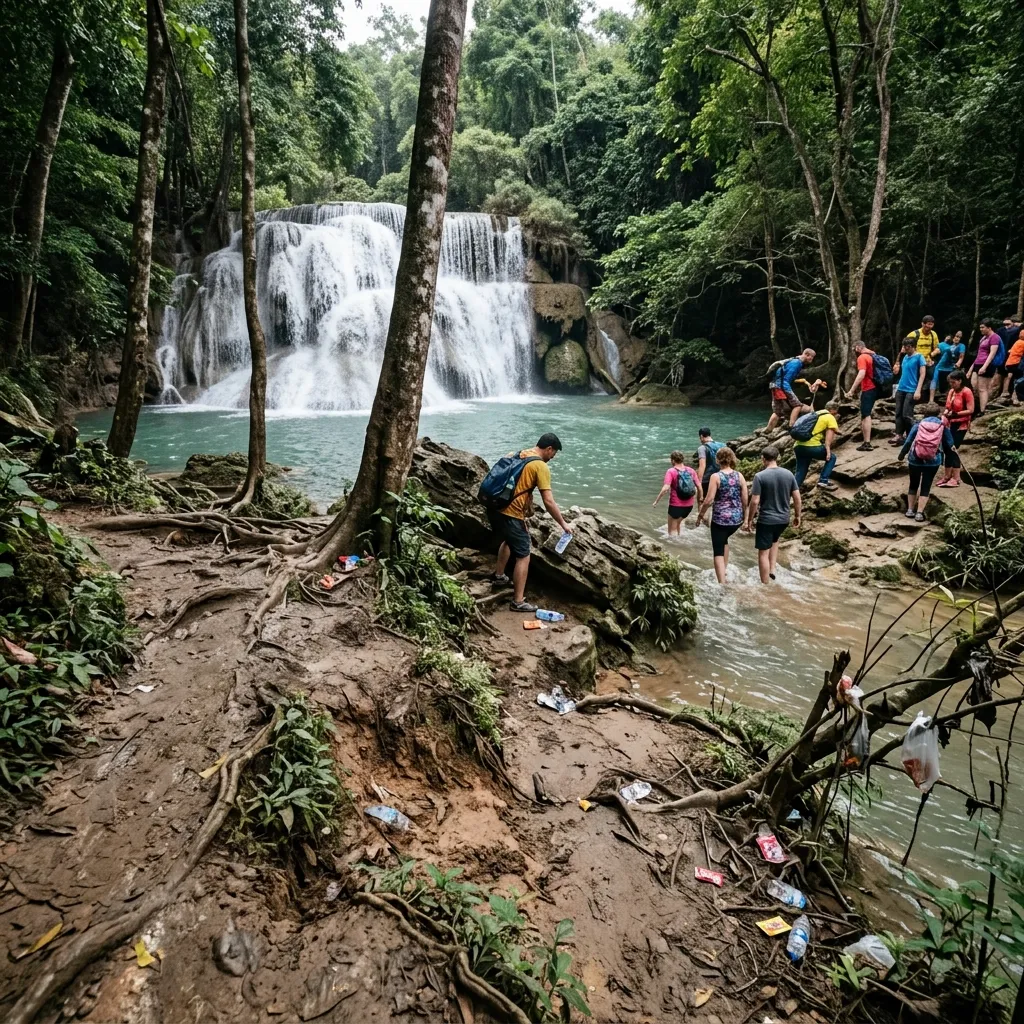
With increased tourism comes the responsibility to protect these fragile ecosystems.
How can we protect these natural treasures?
High foot traffic can lead to soil erosion and habitat destruction. Pollution from litter and sunscreen chemicals damages the water quality. It is vital to recognize our impact when chasing waterfalls.
What are the best practices for responsible tourism?
Always practice “Leave No Trace” principles. Pack out all your trash, stay on designated trails to prevent erosion, and avoid using chemical sunscreens or bug sprays if you plan to swim. Respect the local flora and fauna, and support local conservation organizations.
Embrace the Enduring Magic of Waterfall Exploration
Chasing waterfalls is a rewarding pursuit that connects us intimately with the raw power and beauty of nature. Whether you are marveling at the sheer volume of Victoria Falls, exploring the frozen winter wonders of Iceland, utilizing accessible travel paths in North America, or incorporating cheap festival travel into your itinerary, the experience is deeply fulfilling.
By planning carefully, prioritizing safety, and practicing responsible tourism, you ensure that these magnificent natural landmarks remain pristine for generations to come. So pack your waterproof gear, grab your camera, and start planning your next great adventure chasing waterfalls.
Frequently Asked Questions (FAQ) about Chasing Waterfalls
1. What is the best season for chasing waterfalls?
The best season is usually spring, when snowmelt causes water levels to peak, resulting in the most powerful cascades. However, winter offers unique frozen winter wonders, and autumn provides beautiful foliage backgrounds.
2. Are there any accessible waterfalls for people with disabilities?
Yes. Destinations like Niagara Falls (USA/Canada), Multnomah Falls (Oregon), and Lower Yosemite Falls (California) feature paved paths and viewing platforms, making them excellent choices for accessible travel.
3. How can I find cheap travel deals for waterfall destinations, especially with cheap festival travel in mind?
Book flights and accommodations months in advance, travel during the shoulder season, and use fare alert apps. For cheap festival travel, stay in neighboring towns and use local public transit to commute to both the festivals and the waterfalls.
4. What should I pack for a waterfall hike?
Pack sturdy waterproof hiking boots, a lightweight rain jacket, a dry bag for electronics, plenty of drinking water, high-energy snacks, and a basic first-aid kit.
5. Is it safe to swim in waterfall pools?
It is only safe if local authorities explicitly permit swimming. Always check for submerged rocks, avoid the immediate area where the waterfall drops due to strong undercurrents, and never swim after heavy rainfall.
6. What are some lesser-known waterfall gems to consider for chasing waterfalls?
Consider visiting Kuang Si Falls in Laos for its stunning turquoise pools, or the remote Gocta Cataracts in Peru, which remain relatively free of heavy tourist crowds.
7. How can I contribute to waterfall conservation efforts?
You can contribute by strictly following “Leave No Trace” principles, packing out all your trash, staying on marked trails, and donating to or volunteering with local park services and environmental groups.
8. What photography equipment is best for capturing waterfalls?
To capture the smooth, flowing water effect, you need a camera with manual shutter speed controls, a sturdy tripod to prevent blurring, and a Neutral Density (ND) filter to limit the light entering the lens.
9. Are there any ethical considerations when visiting indigenous lands near waterfalls?
Yes. Many waterfalls hold sacred significance to local indigenous communities. Always adhere to posted guidelines, avoid entering restricted sacred areas, and consider hiring local indigenous guides to support their economy.
10. How can I avoid crowds when chasing waterfalls?
Visit popular waterfalls early in the morning right after sunrise, or late in the afternoon. Traveling during the shoulder season or winter months also drastically reduces the number of tourists.
11. What are some of the best waterfalls for experiencing winter wonders?
Gullfoss and Seljalandsfoss in Iceland, as well as the falls in Plitvice Lakes National Park in Croatia, are famous for freezing into spectacular, icy winter wonders.
12. How do I navigate slippery terrains safely near waterfalls?
Wear footwear with deep lugs designed for wet traction. Stay strictly on marked trails and boardwalks, use trekking poles for added balance, and never step on wet, green algae-covered rocks.