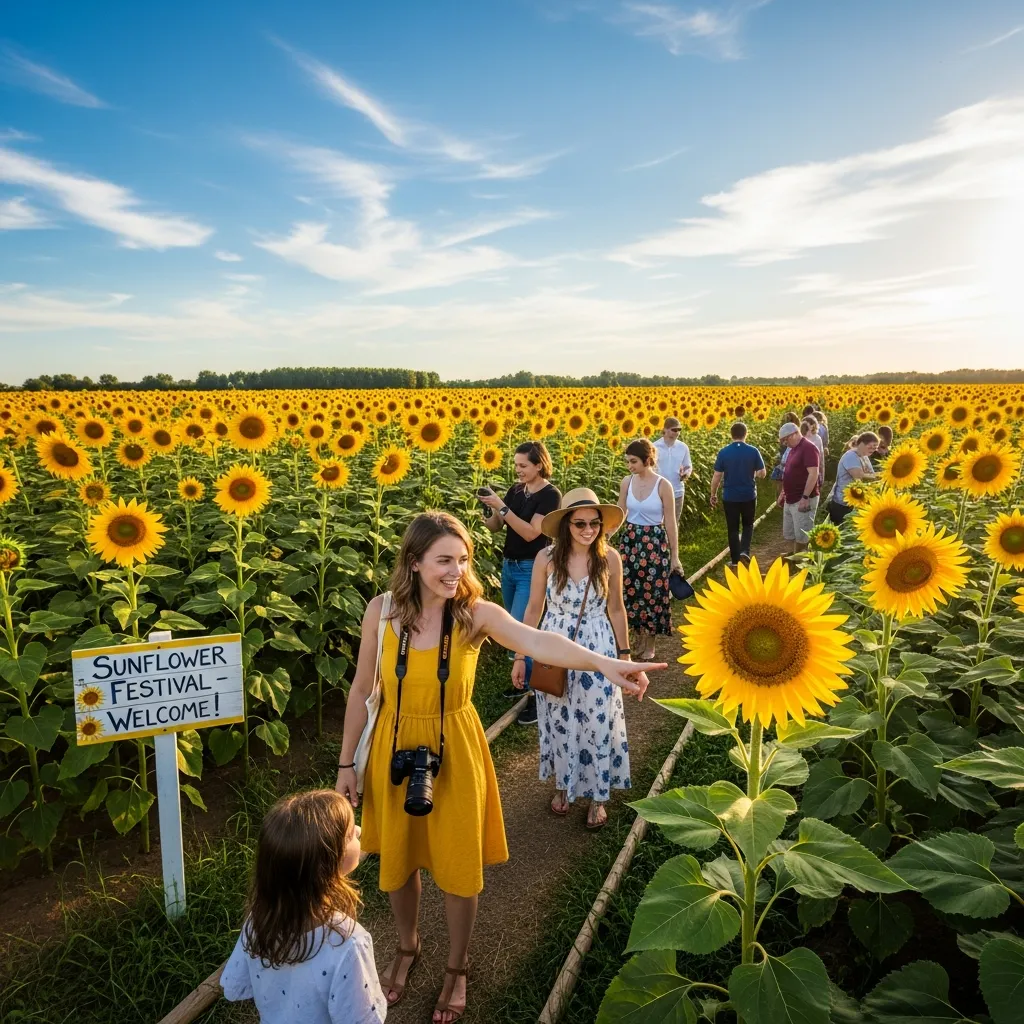
Discover the enchanting world of the sunflower festival. This comprehensive guide covers everything from the rich history and cultural significance of these radiant blooms to practical tips for planning your visit. Explore sensory delights, family-friendly activities, and photography tips, and learn how to celebrate the end of the season at a Farewell festival.
The captivating allure of sunflowers has long held a special place in human culture. With their bright yellow petals and towering green stalks, these plants represent happiness, warmth, and vitality. For generations, people have gathered to honor this magnificent plant, and today, that celebration culminates in the vibrant and joyous atmosphere of a sunflower festival.
A sunflower festival is a dedicated celebration of these radiant blooms, drawing visitors from all over to wander through sprawling fields of yellow. It provides a unique opportunity to connect with nature, enjoy local agriculture, and create lasting memories with friends and family. This post will explore the magic of the sunflower festival, offering a comprehensive guide to its delights. We will look at its history, highlight key activities, and share tips for a memorable visit, ultimately concluding with thoughts on the Farewell festival and the enduring joy these events bring to communities.
The Enduring Charm of the Sunflower: A Floral Icon
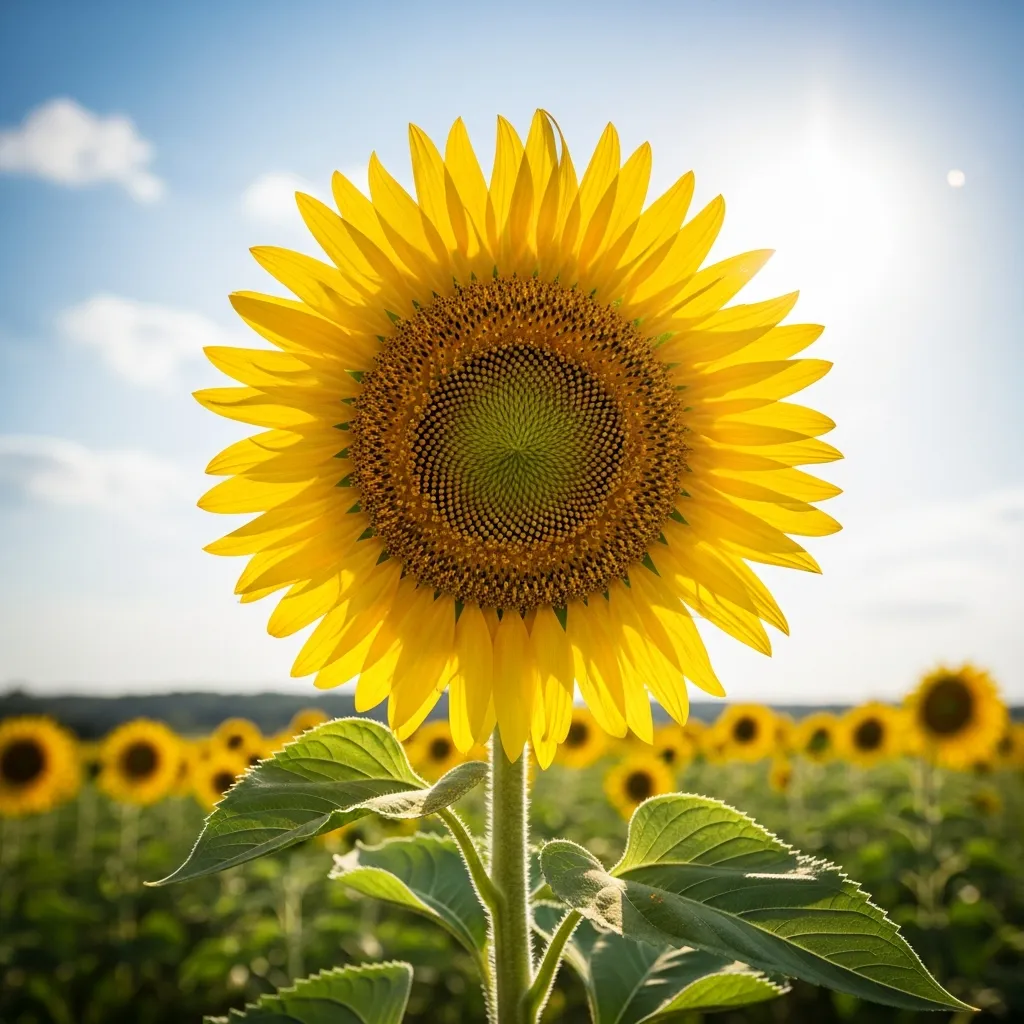
The symbolism and cultural importance of sunflowers span across many different societies. Native to the Americas, sunflowers were originally cultivated by Indigenous peoples for their edible seeds and useful oils. Over time, they became symbols of loyalty, adoration, and longevity. When you attend a sunflower festival, you are participating in a tradition that honors a truly historic and meaningful plant.
There are many different varieties of sunflowers, and each boasts unique characteristics. While the classic golden-yellow bloom is the most recognizable, you can also find varieties in shades of deep red, orange, and even pale lemon. Some grow to staggering heights of over ten feet, while dwarf varieties stay close to the ground. A good sunflower festival will often showcase multiple varieties, allowing visitors to see the incredible diversity of the species.
The life cycle of a sunflower is a fascinating journey from seed to bloom. It begins with a tiny seed planted in the warm spring soil. As it grows, the young plant exhibits heliotropism, meaning its flower head tracks the sun across the sky. By the time the sunflower festival arrives in late summer, the stalks are tall, and the heavy flower heads face east, soaking up the morning light.
A Glimpse into the History of the Sunflower Festival
The origins and evolution of sunflower celebrations worldwide trace back to agricultural communities celebrating the harvest. Farmers would open their fields to neighbors to share the beauty of the blooming crop. Over time, these small community gatherings evolved into organized events.
Notable early festivals had a profound impact on local tourism and agriculture. Regions known for mass sunflower cultivation realized that the visual spectacle of millions of blooming flowers was a massive draw for visitors. This led to the formalization of the sunflower festival, complete with ticketing, structured activities, and local vendors.
Today, the concept of the sunflower festival has grown and diversified significantly. You can find them in rural farmlands, botanical gardens, and even suburban green spaces. Each sunflower festival brings its own local flavor, combining agricultural education with entertainment and community building.
Immersing Yourself in the Sunflower Festival Experience
When you arrive at a sunflower festival, you can expect a myriad of sensory delights and a breathtaking visual spectacle. The sight of endless yellow blooms stretching to the horizon is truly unforgettable.
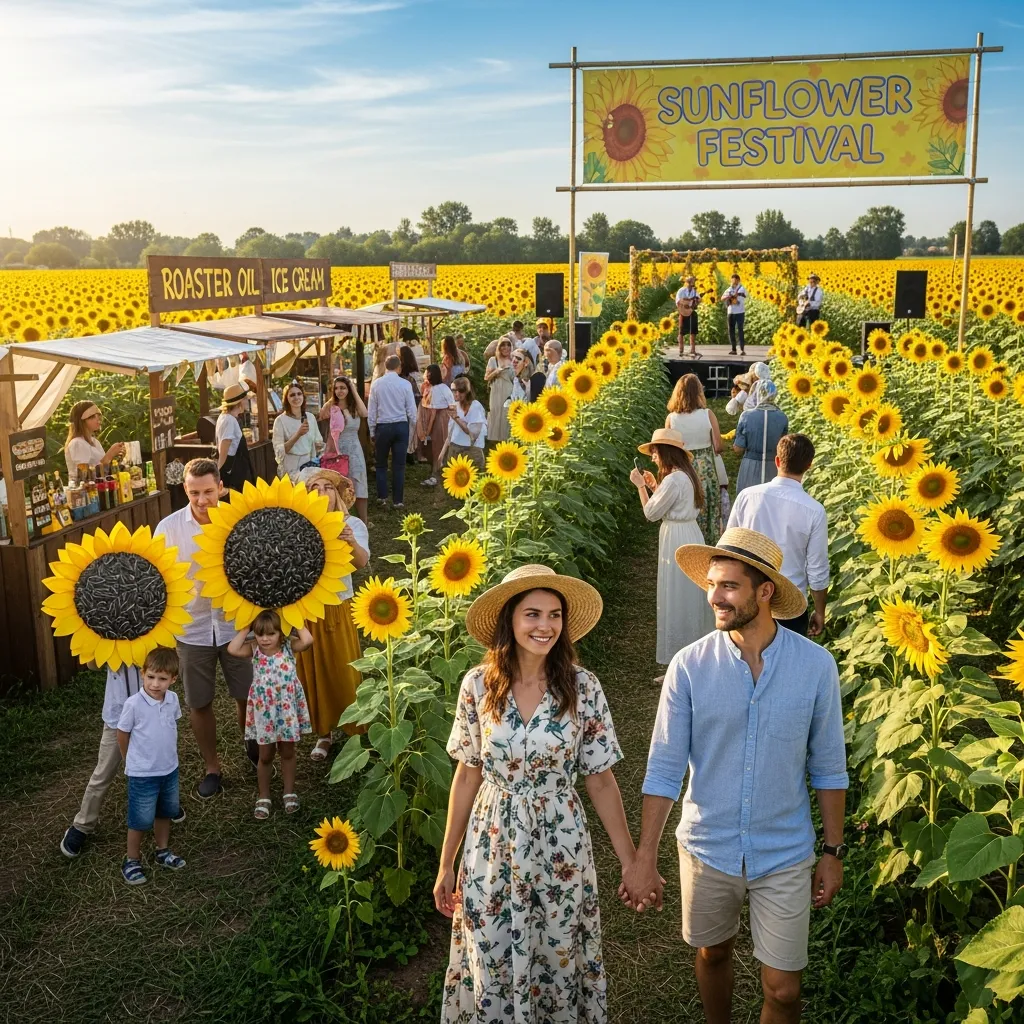
There are plenty of key activities and attractions to keep you entertained. Navigating the sunflower fields is a primary highlight. Many farms create intricate mazes through the tall stalks, offering photo opportunities and guided tours along the way. You will also find various artistic expressions, including sunflower-themed art installations, local craft booths, and painting stations.
Culinary delights are a staple of any good sunflower festival. Vendors often serve sunflower-inspired food and beverages, ranging from roasted sunflower seeds and sunflower oil dressings to thematic baked goods and refreshing summer drinks. As you eat, you can enjoy live entertainment. Music, dance, and cultural performances frequently take place on central stages, adding a festive soundtrack to your visit. Additionally, educational workshops teach visitors about growing sunflowers, practicing sustainability, and mastering floral arrangement.
These events are highly family-friendly. Kid zones, petting zoos, and interactive games ensure that younger visitors have just as much fun as the adults.
Planning Your Perfect Sunflower Festival Visit
The best time to visit a sunflower festival is during peak bloom. Sunflowers typically reach their prime in late summer, usually between July and September, depending on the local climate. Always check the specific festival’s website for bloom updates, and consider weather conditions to avoid extreme heat or heavy rain.
Knowing what to wear and bring is essential for a comfortable and enjoyable day. Dress in comfortable, breathable clothing and wear closed-toe walking shoes, as fields can be dusty, muddy, or uneven. Bring plenty of sunscreen, a wide-brimmed hat, sunglasses, and a reusable water bottle to stay hydrated.
Transportation and parking tips vary by location, but it is always wise to arrive early. A popular sunflower festival can draw massive crowds, so securing a parking spot early in the morning will save you a headache. For multi-day festivals, look into local accommodation options like bed-and-breakfasts, rural cabins, or nearby hotels to make a full weekend out of the trip.
Finally, practice good etiquette for visiting sunflower fields. Respect nature and fellow attendees by staying on marked paths, never trampling the plants, and only picking flowers if the festival explicitly permits it.
The Farewell Festival: A Bittersweet Celebration
As the blooming season draws to a close, some farms host a Farewell festival. Understanding the concept of a Farewell festival for sunflowers adds a layer of depth to the agricultural calendar. This event marks the end of the flower’s life cycle and the beginning of the harvest season.
Activities and traditions associated with the end of the blooming season often include seed harvesting demonstrations, clearing the fields, and autumnal celebrations. The Farewell festival is a time for visitors to gather one last time before the fields are cut down for agricultural processing.
It is a wonderful opportunity for reflecting on the beauty and transience of nature. The Farewell festival reminds us that while the vibrant yellow petals fade, the plant goes on to provide valuable seeds and oil, continuing its cycle of utility and life.
Capturing the Moment: Photography Tips for the Sunflower Festival
A sunflower festival is a photographer’s dream. To get the best angles and lighting for stunning sunflower photos, visit during the golden hour—shortly after sunrise or just before sunset. The soft, warm light enhances the yellow petals and creates a magical atmosphere.
For posing ideas and creative shots, try walking away from the camera down a row of flowers, or use a low angle to capture the towering height of the stalks against a blue sky. Use the blooms in the foreground to create a blurred frame around your subject.
If you are a professional or enthusiast, you might consider utilizing drones and other equipment. However, always check the rules of the sunflower festival first, as many locations restrict drone usage to protect the peace and privacy of other guests.
Economic and Environmental Impact of Sunflower Festivals
A thriving sunflower festival plays a major role in supporting local communities and tourism. Thousands of visitors bring revenue to nearby restaurants, gas stations, hotels, and small businesses. For farmers, the festival provides a crucial secondary income stream that helps sustain their agricultural operations.
Sustainable practices at a sunflower festival are increasingly important. Many organizers focus on minimizing waste, providing recycling stations, and educating the public on eco-friendly farming techniques.
The role of sunflowers in agriculture and ecosystems is massive. The massive flower heads attract vital pollinators, including bees and butterflies, which support local biodiversity. The deep root systems of the plants also help improve soil quality.
Beyond the Festival: Bringing Sunflowers Home
The joy of the sunflower festival does not have to end when you leave the farm. Growing your own sunflowers is surprisingly easy. Choose a sunny spot in your garden, plant the seeds directly into well-draining soil after the last frost, and water them regularly. With a little patience, you will have your own mini sunflower festival right in your backyard.
You can also try incorporating sunflower motifs into your home decor. Floral arrangements, botanical prints, and warm yellow textiles can bring the bright, cheerful energy of the festival indoors.
Lastly, explore recipes and uses for sunflower seeds and oil. Toast the seeds with a little salt and paprika for a healthy snack, or use sunflower oil for baking and frying, as its high smoke point and neutral flavor make it incredibly versatile in the kitchen.
The Enduring Legacy of the Sunflower Festival
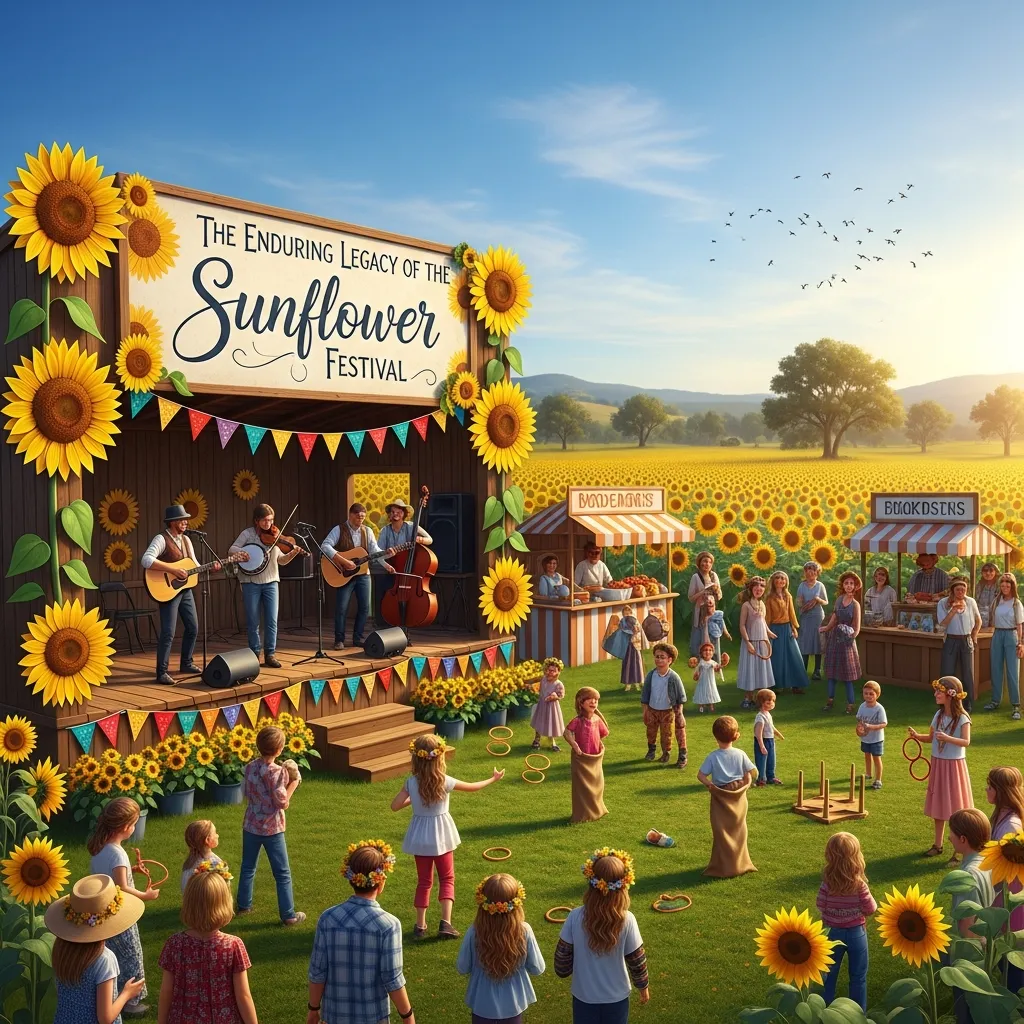
The magic of the sunflower festival leaves a lasting impact on everyone who attends. Walking among thousands of bright yellow blooms offers a profound sense of peace and happiness. These events successfully blend agricultural heritage with modern community celebration.
Sunflowers bring an undeniable joy and inspiration to our lives. They turn their heads toward the light, reminding us to seek out the positive and bright aspects of the world around us.
Looking forward, future sunflower festivals will continue to evolve. With new varieties, expanded activities, and a growing emphasis on sustainability, the sunflower festival will remain a beloved late-summer tradition for generations to come.
Frequently Asked Questions (FAQ) about the Sunflower Festival
1. What is the best time of year to visit a sunflower festival?
The peak time is usually late summer, typically between mid-July and early September. However, exact dates depend on the region’s climate and the specific planting schedule of the farm.
2. Are sunflower festivals suitable for children?
Absolutely. A sunflower festival is a fantastic family outing. Many events feature dedicated kid zones, games, petting zoos, and simple mazes designed specifically for younger visitors.
3. Can I bring my dog to a sunflower festival?
This depends entirely on the specific farm’s rules. Some festivals are incredibly pet-friendly, while others prohibit animals for safety and agricultural reasons. Always check the event website before bringing your furry friend.
4. What should I wear to a sunflower festival?
Opt for comfortable, weather-appropriate clothing. Closed-toe shoes are highly recommended to navigate dirt paths, mud, and uneven ground. Don’t forget a hat and sunglasses for sun protection.
5. How much does it cost to attend?
Ticket prices vary widely. Some small community farms charge a nominal fee of $5 to $10, while larger, multi-day festivals with live music and extensive attractions may charge $20 or more.
6. Do the flowers last a long time?
Sunflowers usually stay in peak bloom for about two to three weeks. Because the window is relatively short, it is important to plan your visit accordingly.
7. Am I allowed to pick the sunflowers?
Many festivals have designated “u-pick” fields where you can cut your own flowers for a small fee. However, you should never pick flowers from the main display fields unless explicitly told it is allowed.
8. Is there food available at a sunflower festival?
Yes, most festivals host a variety of local food trucks and vendors. You can usually find classic festival fare alongside specialty items like roasted sunflower seeds and sunflower-infused treats.
9. What happens if it rains?
Since a sunflower festival is an outdoor agricultural event, it is highly weather-dependent. Light rain usually won’t stop the event, but severe storms may cause temporary closures or muddy conditions. Always check the weather forecast.
10. Is parking readily available?
Most farms coordinate extensive parking in adjacent grassy fields. Arriving early in the day is the best way to secure a convenient parking spot and avoid long walks to the entrance.
11. Can professional photographers book sessions at the festival?
Many farms encourage professional photography but require photographers to purchase a special pass or book a designated time slot to ensure regular visitors are not disturbed.
12. Will there be a lot of bugs or bees?
Yes. Sunflowers are major attractants for pollinators like bees and butterflies. While the bees are generally focused on the flowers and not the visitors, those with severe bee allergies should take necessary precautions when attending a sunflower festival.