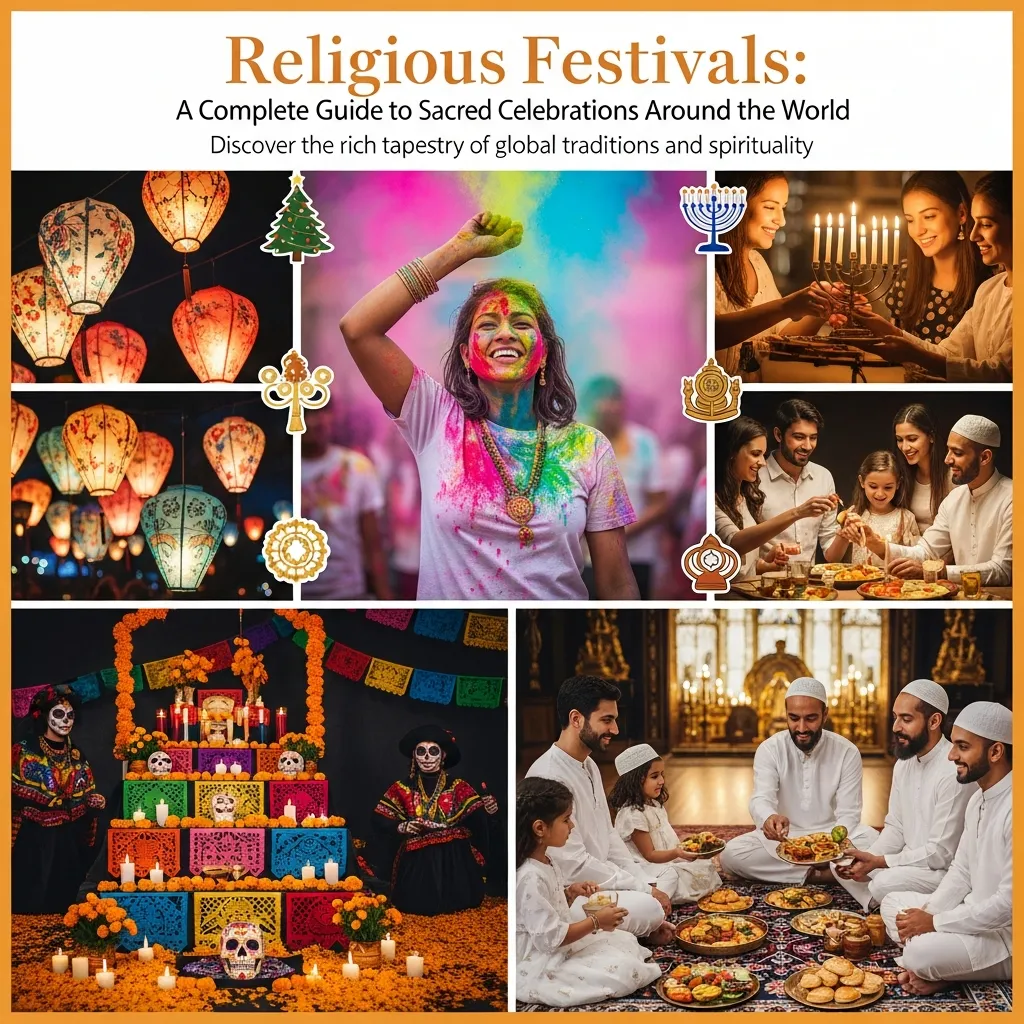
Religious Festivals open a rare window into belief, community, and living culture, giving travelers a chance to witness devotion respectfully, learn local traditions, and plan meaningful journeys with deeper context.
Why Religious Festivals Attract Travelers
Religious Festivals are more than public events; they are moments when memory, identity, music, food, and ceremony come together in one place. For travelers, that creates a richer kind of sightseeing, because the experience is not only visual but emotional, social, and symbolic.
Religious Festivals often give you access to rituals that are deeply rooted in place. UNESCO recognizes many living traditions connected to faith and communal practice, including Kumbh Mela, the festivals related to the Journey of the Holy Family in Egypt, and other cultural expressions tied to worship and heritage.
Religious Festivals also help travelers understand how communities celebrate hope, gratitude, harvest, blessing, and renewal. Some are enormous pilgrimages, some are neighborhood processions, and some are intimate shrine events. That range matters because the best travel experiences often come from matching your expectations to the scale of the event.
Religious Festivals can feel different from ordinary tourism because the visitor is not the center of the story. The community is. That shift in perspective is powerful. When you arrive with curiosity, patience, and humility, the trip becomes less about “seeing a famous event” and more about understanding people, place, and purpose.
How to Approach Religious Festivals Respectfully
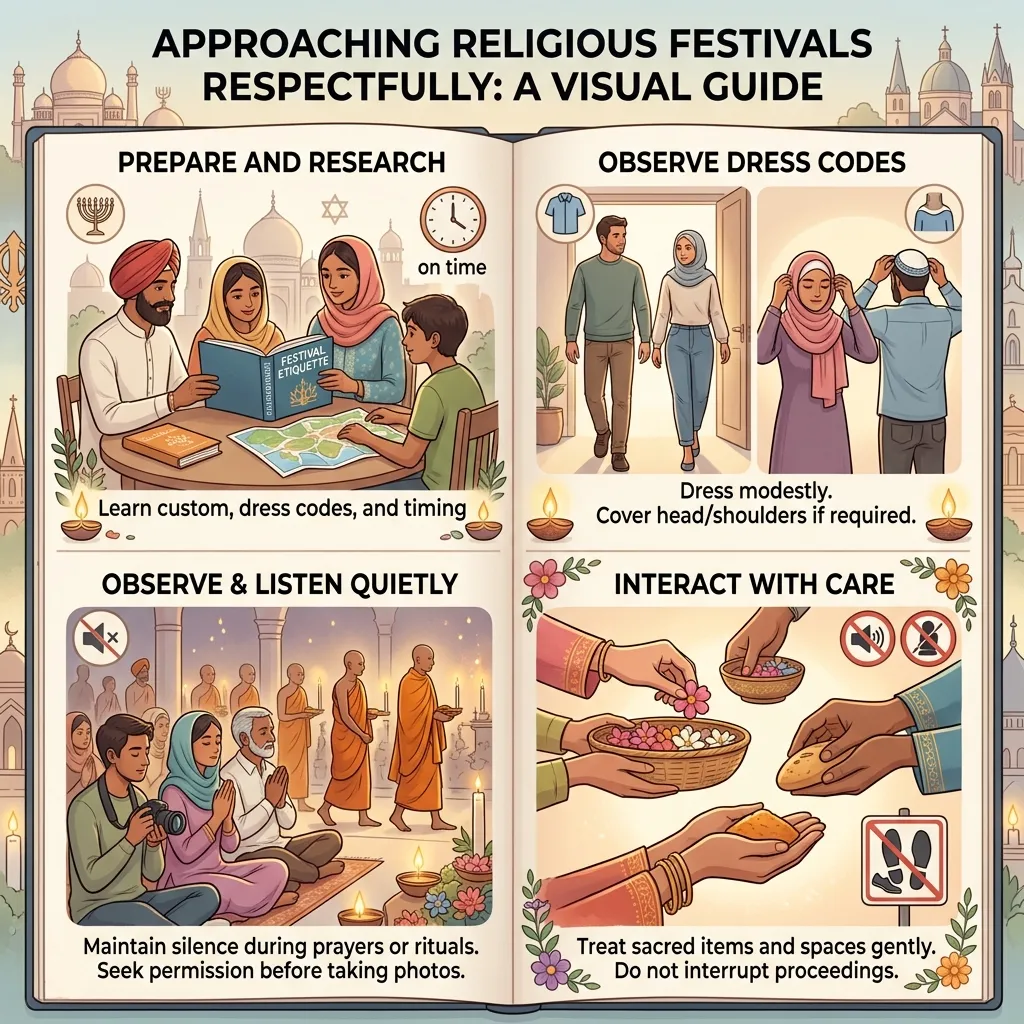
Religious Festivals reward travelers who prepare before they arrive. A little research goes a long way, especially when a festival involves sacred spaces, prayer, offerings, or crowd-sensitive rituals. Read the local customs, learn the dress expectations, and understand whether photography is welcome before you go.
Religious Festivals often have different rules for worshippers and visitors. Some spaces require silence, others allow lively public participation, and some events are open in one area but restricted in another. The safest approach is to observe first, follow the crowd carefully, and assume that respect matters more than novelty.
Religious Festivals also work best when you move slowly. If you try to race from one sight to another, you may miss the emotional rhythm that makes the event special. Stand back, watch how locals interact, and let the pace of the festival guide your own pace.
Religious Festivals are easier to enjoy when you keep your expectations flexible. Crowds can change the timetable, weather can shift the atmosphere, and ceremonies can unfold differently than planned. That unpredictability is not a problem; it is part of the authenticity that makes these journeys memorable.
South Asia and the Power of Pilgrimage
Religious Festivals in South Asia often combine pilgrimage, public ritual, and massive communal gathering. The most famous example is Kumbh Mela, which UNESCO describes as the largest peaceful congregation of pilgrims on earth. The event is rooted in Hindu tradition and involves ritual bathing at sacred river sites.
Religious Festivals like Kumbh Mela are powerful because they show faith at scale. Millions may travel for the same spiritual purpose, yet each visitor experiences the event differently. Some come for devotion, some for family, and some for cultural observation, which is why the atmosphere feels both sacred and human.
Religious Festivals in this region often require careful logistics. Transport can be crowded, lodging can sell out quickly, and walking distances may be longer than they first appear. That means planning matters, but planning should not remove the sense of discovery. The balance between preparation and openness is what makes the trip work.
Religious Festivals in South Asia also teach visitors that devotion can be public, colorful, and collective without becoming less serious. The size of the crowd does not reduce the meaning. Instead, the crowd amplifies it, turning belief into something visible, shared, and impossible to forget.
Southeast Asia and Living Faith in Public Space
Religious Festivals in Thailand are often woven into the national cultural calendar, and official tourism sources describe many of them as closely connected to Buddhism. The Thailand Tourism Authority notes that festivals such as the Candle Festival, Tak Bat Thewo, the Flower Alms Offering Festival, and Kathina are tied to religious observance.
Religious Festivals in Thailand can be especially appealing because they combine devotion with artistry. The Candle Festival in Ubon Ratchathani is a good example: visitors see sculpted candles, procession culture, and a public atmosphere that feels ceremonial without feeling closed to outsiders. That makes it a strong model for respectful tourism.
Religious Festivals in Southeast Asia often welcome visitors when they behave like observers first and photographers second. The most rewarding approach is to learn the symbolism behind offerings, chanting, and temple visits before you join the crowd. Once you understand the meaning, the beauty becomes deeper than the surface spectacle.
Religious Festivals in this part of the world also show how faith and food often travel together. Vendors, family gatherings, and neighborhood routines become part of the occasion, so the traveler experiences the event as a whole environment rather than a single ceremony. That is one reason visitors remember the atmosphere so vividly.
Japan and the Elegance of Ritual
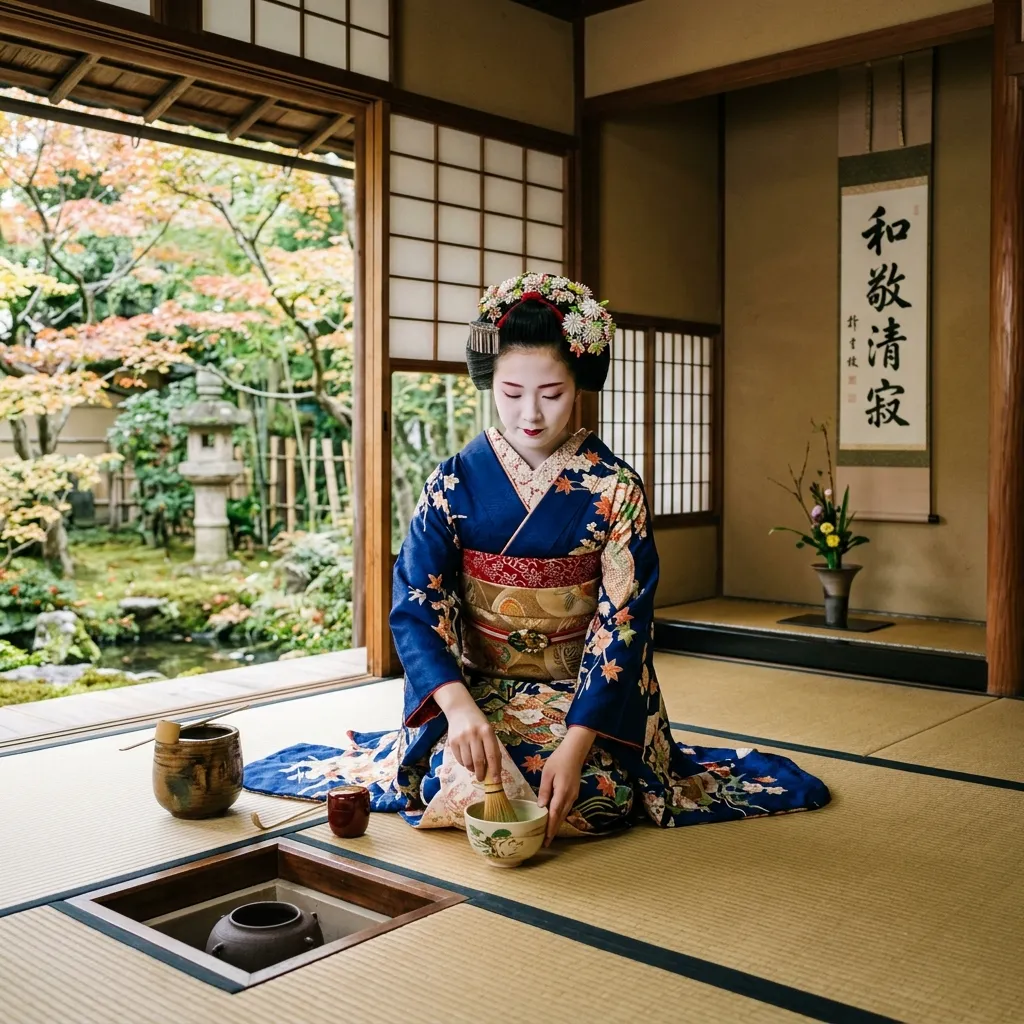
Religious Festivals in Japan often move between solemnity and celebration in a way that feels balanced and refined. Japan National Tourism Organization highlights festivals as a way to enjoy fireworks, street food, and tradition, which helps visitors understand that public ritual can be both cultural and accessible.
Religious Festivals like Toka Ebisu show how a shrine event can be both spiritual and social. Official and tourism-related pages describe it as a major early-year festival linked to prosperity, with large visitor flows and strong local participation. The event is held from January 9 to 11, with main festivities on January 10.
Religious Festivals in Japan are also good examples of how timing shapes experience. The same festival can feel quiet in one hour and crowded the next. For tourists, that means early arrival matters, but so does patience. Watch the flow, follow local etiquette, and let the details reveal themselves slowly.
Religious Festivals in Japan often invite visitors to appreciate careful form. Offerings, chants, lanterns, and procession lines are not random decorations; they are part of a living structure. That sense of order creates trust, and trust helps travelers feel welcome even when the customs are new to them.
Europe, Rome, and the Tourism of Pilgrimage
Religious Festivals in Europe often combine history, architecture, and devotion in the same trip. Rome is especially important because the 2025 Jubilee is designed to support pilgrims and tourists with official information, event calendars, and access tools through the Vatican’s dedicated website.
Religious Festivals linked to the Jubilee are a strong example of organized sacred tourism. The official portal provides calendars, registration guidance, a pilgrim info point, and even a special “Tourism-Jubilee” visa category for eligible pilgrims. That structure makes the event unusually approachable for international visitors.
Religious Festivals in Europe often feel especially meaningful because they unfold in cities where faith and heritage share the same streets. In Rome, that means a traveler can move from liturgy to museum, from square to basilica, and from ceremonial crowd to quiet side chapel in a single day. The contrast deepens the visit.
Religious Festivals also remind visitors that pilgrimage is not only for the devout. Many travelers come to understand history, architecture, and culture, while others come for prayer. The point is not to force one motive over another. The point is to recognize that a sacred place can hold many kinds of attention at once.
Egypt and the Journey of the Holy Family
Religious Festivals in Egypt offer a powerful example of how sacred memory can shape travel. UNESCO lists the festivals related to the Journey of the Holy Family in Egypt, describing them as celebrations that commemorate the family’s voyage from Bethlehem to Egypt.
Religious Festivals connected to the Holy Family are especially interesting because they involve both Christian and Muslim communities in a shared cultural landscape. That makes the experience feel broader than one tradition alone. For tourists, the result is a layered story of devotion, history, and regional identity.
Religious Festivals in Egypt also show how pilgrimage routes can become cultural routes. The path is not only about a single celebration; it is about movement, memory, and continuity across places. Travelers who follow that kind of route often discover how landscape itself becomes part of the story.
Religious Festivals like these are valuable for respectful tourism because they encourage context. Instead of consuming a moment, the visitor learns a story. That story is bigger than a headline, and it is one reason sacred travel can become one of the most memorable forms of cultural exploration.
Night-Time Festivals and Atmosphere
Night-Time Festivals often feel magical because darkness changes how people see light, sound, and movement. Lanterns, candles, torches, and illuminated processions can make a sacred event feel intimate even when the crowd is large. Religious Festivals often become more emotionally powerful after sunset.
Night-Time Festivals are also easier to remember because the sensory details stand out. The glow of lamps, the smell of food, the rhythm of drums, and the reflection of lights on water can create a layered experience that daylight does not replicate. Religious Festivals use that atmosphere to deepen emotional memory.
Night-Time Festivals can be quieter than daytime processions, but not always calmer. A night crowd may still be dense, energetic, and noisy, especially around shrines, riverfronts, or city squares. That is why visitors should plan for visibility, safe walking, and clear meeting points while still leaving room for wonder.
Night-Time Festivals often reward slow observation more than fast movement. Instead of chasing every angle, stand still long enough to notice how people pray, pause, laugh, and return to the ceremony. Religious Festivals often reveal their strongest moments in those pauses, not only in the main procession.
Traditional Harvest Festivals and Gratitude
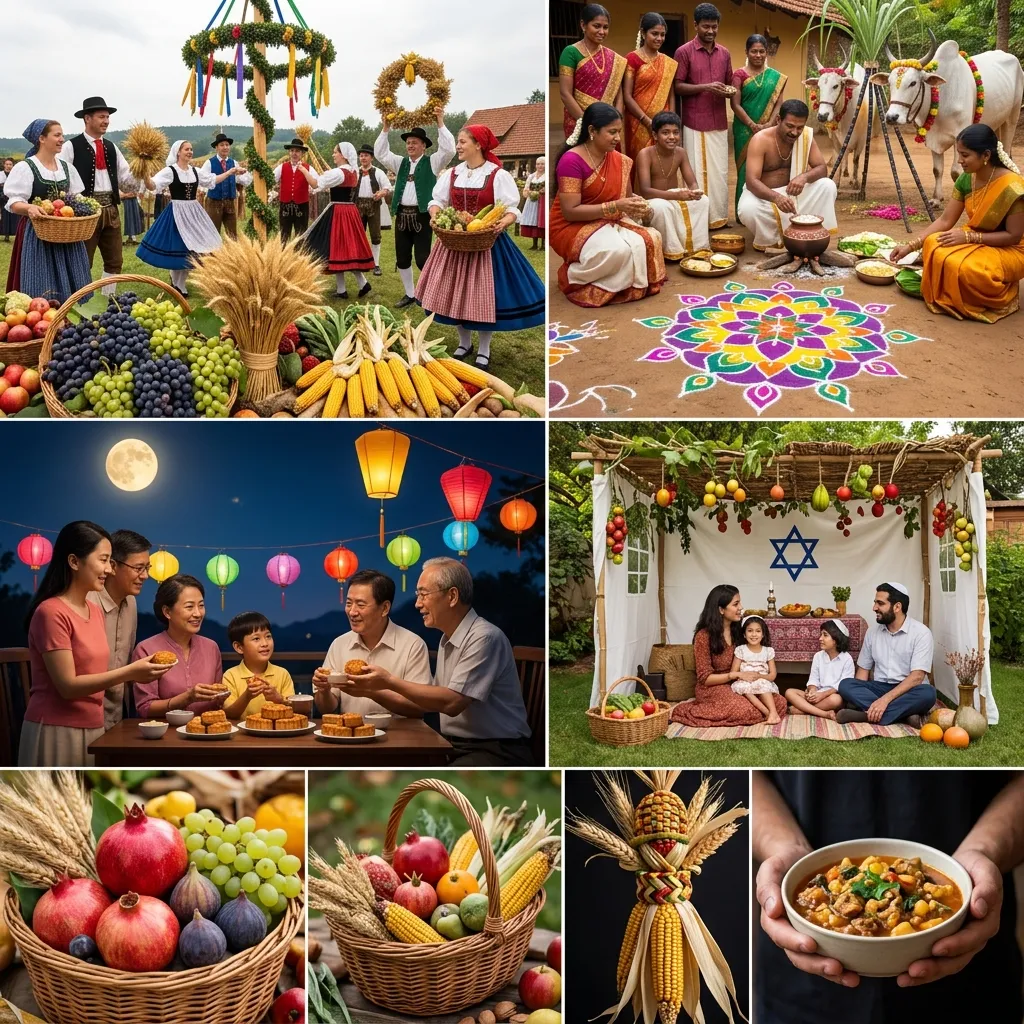
Traditional Harvest Festivals sit close to the heart of religious tourism because they often connect faith with gratitude for food, land, and seasonal survival. Honen Matsuri is a well-known example in Japan, and Travel Japan describes it as a harvest festival held on March 15 at Tagata-jinja Shrine.
Traditional Harvest Festivals are especially meaningful to visitors because they show how communities honor abundance. Food, fertility, and blessing often appear together, but the deeper theme is dependence on nature and divine favor. That combination makes the festival feel both practical and spiritual.
Traditional Harvest Festivals also illustrate how local meaning can differ from outsider expectations. A traveler may notice playful imagery or unusual symbols, yet those details often carry serious historical meaning within the community. Religious Festivals become richer when visitors ask what the symbols mean before judging how they look.
Traditional Harvest Festivals are best experienced with humility and curiosity. They are not staged for external approval, even when tourists are welcome. The more carefully you observe the rituals, the more you understand that thanksgiving is not a side theme. It is the central reason the festival exists.
Best Street Festivals and Public Celebration
Best Street Festivals often overlap with Religious Festivals because faith in many cultures lives in streets, squares, markets, and neighborhood routes rather than behind closed doors. That public quality makes the event feel alive, social, and immediate. For travelers, that is part of the appeal.
Best Street Festivals usually combine procession, music, food, and crowd energy in a way that makes the whole city feel involved. Japan’s official tourism resources highlight fireworks, street food, and tradition as part of festival enjoyment, which shows how public celebration can be both festive and meaningful.
Best Street Festivals also teach one important travel lesson: the crowd is part of the scenery, not an obstacle to it. When you accept that fact, you stop fighting the event and start reading it. Religious Festivals are often most vivid when people, not objects, are the main attraction.
Best Street Festivals are also where patience pays off. You may not get the perfect photo immediately, but you may get something better: a real sense of place. That emotional reward is why so many travelers remember a street procession long after they forget a museum ticket.
Travel Planning, Routes, and Practical Search Habits
Religious Festivals are easier to visit when you plan transport early, especially if the event happens in a major travel hub. Search behavior matters here too, because travelers often begin by comparing air routes, dates, and nearby airports before deciding where to stay or how long to remain.
Religious Festivals can also change how you think about flights. Some travelers compare festival trips with search habits like google flights atlanta, not because the keyword matters by itself, but because flexible flight searching can uncover better timing, alternate routing, and lower stress around busy event dates.
Religious Festivals often attract visitors from many countries at once, which means transport and lodging can tighten quickly. Official festival calendars, pilgrimage pages, and tourism boards are useful because they reduce guesswork. The Vatican’s Jubilee portal is a good example of how structured information makes sacred travel easier.
Religious Festivals become far more manageable when you separate “must see” moments from “nice to have” moments. That helps you choose flights, nights, and neighborhoods with more confidence. Instead of trying to do everything, you protect the core experience and leave room for surprises.
Photography, Food, and Crowd Strategy
Religious Festivals often create beautiful photographs, but the best travel photos come from respect, not intrusion. Ask before photographing people closely, avoid blocking movement during rituals, and remember that some ceremonies are not performances. The goal is to document the moment without disturbing it.
Religious Festivals also introduce travelers to food traditions that are deeply tied to occasion and place. Street snacks, shared meals, and seasonal dishes can become part of the memory just as strongly as the ceremony itself. That is why many visitors remember the taste of a festival as clearly as the sound.
Religious Festivals can be overwhelming if you arrive without a crowd strategy. A simple meeting point, a backup battery, a water plan, and a flexible schedule can prevent small problems from becoming major frustrations. Good planning does not reduce the experience; it protects it.
Religious Festivals are often best appreciated when you allow yourself to be a little anonymous in the crowd. That does not mean being careless. It means letting the event be larger than your own itinerary, which is often exactly what makes sacred travel feel transformative.
What Makes These Journeys Worth Taking
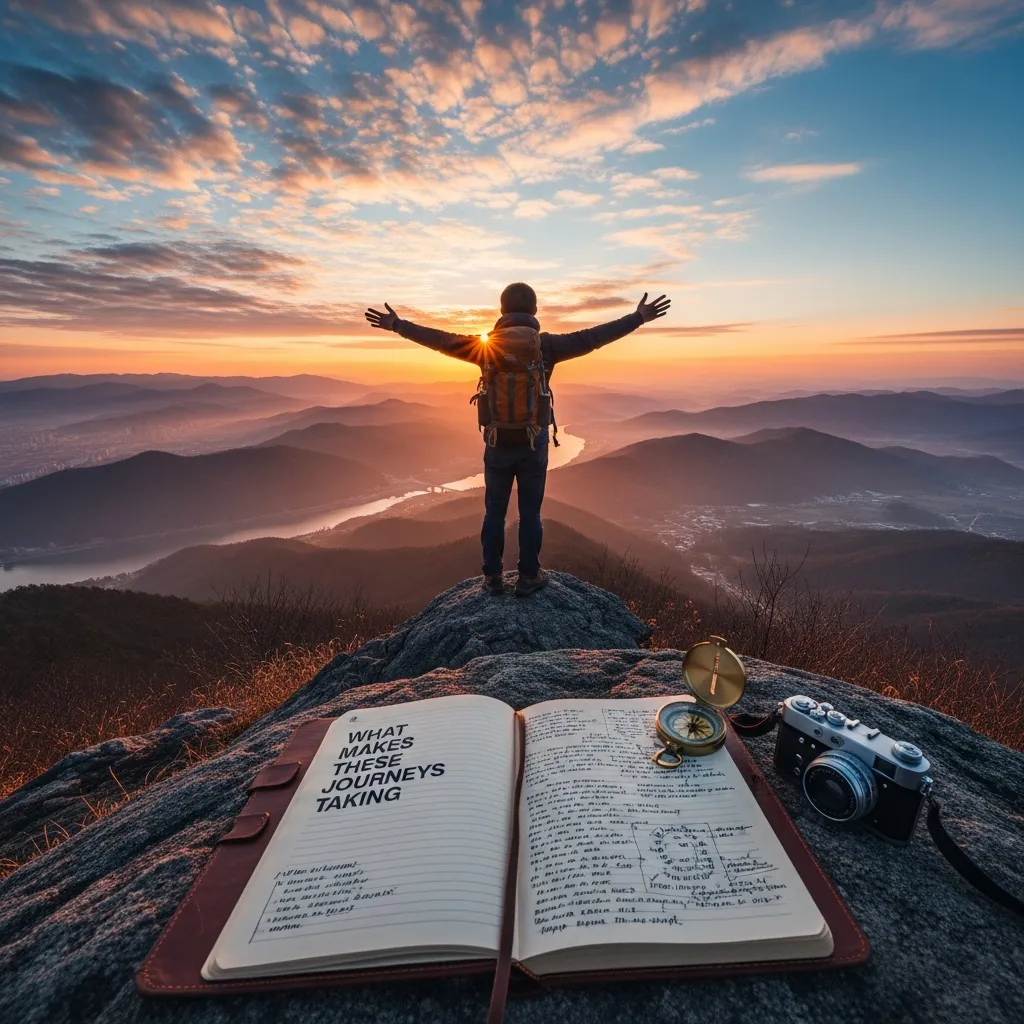
Religious Festivals are worth the effort because they reveal how belief shapes daily life, public space, and collective memory. A traveler sees more than decoration or spectacle. They see how communities carry values across generations through ritual, movement, and shared attention.
Religious Festivals also help visitors travel with more empathy. When you understand why people gather, pray, fast, sing, or carry offerings, you begin to see each place as a living world rather than a set of attractions. That shift often changes how people travel long after the trip ends.
Religious Festivals create stories that stay with you because they involve more than sightseeing. They involve atmosphere, emotion, and participation. Even if you remain a respectful observer, you still leave with the sense that you were present for something meaningful, not merely photographed.
Religious Festivals matter to tourists because they remind us that travel is not only about distance. It is about perspective. When a journey helps you see another culture with care, your understanding becomes broader, your memory becomes richer, and your travel becomes more human.
Conclusion
Religious Festivals are among the most meaningful experiences a traveler can have because they combine culture, spirituality, and community in ways ordinary tourism rarely does. The best trips begin with respect, patience, and a willingness to learn before judging what you see. Whether the event is a giant pilgrimage, a shrine procession, a lantern-lit celebration, or a harvest gathering, the goal is the same: to witness a living tradition without flattening it into a photo opportunity. When you plan carefully, move thoughtfully, and stay open to local meaning, Religious Festivals become more than events on a calendar. They become lessons in how people celebrate faith, remember history, and welcome outsiders into sacred public life.
FAQs
1. What are Religious Festivals for tourists?
Religious Festivals are public celebrations, pilgrimages, or ritual events tied to faith traditions that visitors can observe or respectfully join.
2. Are all Religious Festivals open to outsiders?
Not always. Some allow full visitor participation, while others restrict certain spaces, moments, or actions to worshippers only.
3. What should I wear to Religious Festivals?
Dress modestly, cover what the local context expects, and choose clothing that respects sacred spaces and weather conditions.
4. Can I take photos at Religious Festivals?
Sometimes yes, sometimes no. Always watch for signs, ask permission when needed, and avoid blocking rituals for a picture.
5. Which Religious Festivals are best for first-time visitors?
Large, organized events with tourism support are often easiest for beginners, especially when official guides, apps, or visitor information are available.
6. Are Religious Festivals safe for solo travelers?
Many are, as long as you plan transport, keep track of crowds, and stay aware of local rules and emergency contacts.
7. Why do some Religious Festivals happen at night?
Night settings can create a stronger atmosphere through light, sound, and procession, which often deepens the emotional impact.
8. How do I choose which Religious Festivals to visit?
Start with the traditions that interest you most, then compare timing, crowd size, travel access, and the amount of visitor support available.
9. Can I combine Religious Festivals with other sightseeing?
Yes. Many travelers pair festival visits with heritage sites, markets, museums, or nearby nature, which makes the trip more balanced.
10. Why are Religious Festivals popular with cultural travelers?
They offer a direct look at living belief, local identity, and community life, which makes the experience deeper than standard sightseeing.